Cadmium(II) Sulfide (CdS) is an inorganic compound widely used in laboratory experiments across various chemical disciplines. As a versatile material, it plays a crucial role in catalytic processes and semiconductor applications. Its unique optical and electronic properties make it a valuable component in both research and industrial settings. CdS is commonly found in chemical synthesis, material science, and analytical chemistry, where its reactivity and structural stability are essential for achieving desired outcomes. Due to its broad applicability, CdS is a fundamental material in modern laboratory workflows, especially in Indonesia where it supports advanced research in chemistry and materials science.
CdS is preferred for its distinct chemical and physical characteristics. It exhibits a stable structure under controlled conditions, making it reliable for use in experiments requiring consistent results. Its sensitivity to moisture and oxidation means that proper handling and storage are essential to maintain its integrity. The compound has a pale yellowish-white appearance and exists as a fine powder, which facilitates its use in various experimental setups. These properties, combined with its ability to participate in redox reactions, make CdS a key material in catalytic and semiconductor-related research. Its chemical stability and optical properties further enhance its appeal in both academic and industrial laboratories.
In Indonesian laboratories, CdS is frequently used in chemical and material research. It is a popular choice for researchers working on catalytic reactions, especially in reduction and oxidation processes. Its role in semiconductor fabrication and optical sensor development also makes it a valuable resource for advanced scientific studies. The availability of CdS in different packaging sizes ensures its adaptability to both small-scale experiments and larger research projects. Its consistent performance and reliability have made it a standard material in many Indonesian laboratories, supporting a wide range of scientific investigations.
TCI brochures (PDF)
- Metallic Salts 2025-11-06 · p. 7
- Catalytic Reactions: CdS is widely used as a catalyst in redox processes due to its ability to facilitate electron transfer and enhance reaction efficiency.
- Semiconductor Fabrication: Its optical and electronic properties make it suitable for the production of photovoltaic materials and optoelectronic devices.
- Optical Sensor Development: CdS is employed in the creation of light-sensitive sensors due to its response to light and its ability to generate charge carriers.
- Material Science Research: The compound is frequently used in studies involving nanomaterials and functional materials due to its unique structural and chemical properties.
- Analytical Chemistry Applications: CdS is used in spectroscopic analysis and as a reference material due to its well-defined optical characteristics.
| Brand | TCI |
|---|---|
| CAS number | 1306-23-6 |
| Molecular formula | — |
| Purity | — |
| Category | Chemistry > Catalysis and Inorganic Chemistry > Main-group Elements |
| Pack sizes | Available in various packaging sizes for different experimental needs |
| Physical form | Fine powder |
| Storage | Should be stored in a dry, cool place away from moisture and oxidizing agents |
Cadmium(II) Sulfide should be stored in a dry, cool environment to prevent moisture absorption and oxidation. It is recommended to use airtight containers made of inert materials such as glass or plastic to maintain its chemical integrity. Proper labeling and storage in a designated chemical cabinet are essential to ensure safety and prevent accidental exposure. Laboratory personnel should wear appropriate personal protective equipment when handling CdS to minimize risks. Due to its sensitivity, CdS must be handled with care and stored in conditions that preserve its stability and effectiveness for research applications.
—
Produk Terkait
-
Cadmium(II)Oxide TCI C3988
Regular price From Rp 875.700,00Regular price -
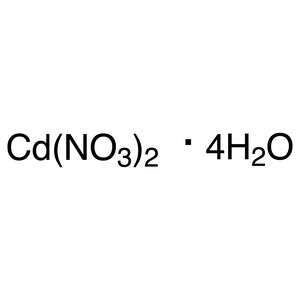
Cadmium(II)NitrateTetrahydrate TCI C3935
Regular price From Rp 743.400,00Regular price -
Cadmium(II)Iodide TCI C3844
Regular price From Rp 1.829.100,00Regular price -
Cadmium(II)Fluoride TCI C3843
Regular price From Rp 1.590.750,00Regular price -
Cadmium(II)Bromide TCI C3813
Regular price From Rp 1.565.550,00Regular price -
Tin(IV)Sulfide TCI T4244
Regular price From Rp 1.193.850,00Regular price -
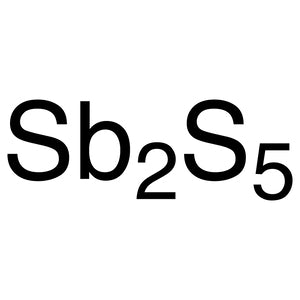
Antimony(V)Sulfide TCI A3628
Regular price From Rp 1.035.300,00Regular price -
SodiumHydrogenSulfide TCI O0656
Regular price From Rp 1.273.650,00Regular price