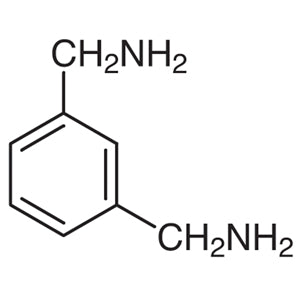
m-Xylylenediamine, also known as 1,3-diaminobenzen, is a chemical compound widely used in laboratory settings as a foundational building block for the synthesis of complex molecules. This aromatic compound features two amino groups positioned in a meta configuration, which significantly enhances its reactivity. Its versatility makes it an essential tool for chemists working in various research fields. Due to its ability to participate in multiple chemical reactions, it plays a crucial role in the development of polymers, pharmaceuticals, and industrial chemicals. Its structural simplicity allows for easy modification, making it a preferred choice for synthetic chemists.
The chemical properties of m-Xylylenediamine make it a preferred choice in laboratory applications. It exhibits good solubility in organic solvents, which facilitates mixing and reaction processes. Its reactivity is particularly useful in reactions that require chain coupling or nitrogen bond formation. However, it is sensitive to high temperatures and oxidation, necessitating careful handling and controlled reaction conditions. These characteristics make it ideal for use in reactions where precise environmental control is necessary. Its stability under specific conditions also ensures reliable performance in various chemical processes.
In Indonesian laboratories, m-Xylylenediamine is commonly used in organic chemistry, pharmaceutical research, and industrial chemical development. Its role in the synthesis of complex compounds has made it a staple in both academic and industrial research settings. Its availability and chemical properties make it a popular choice among researchers in Indonesia. The compound's utility across multiple scientific disciplines underscores its importance in the chemical industry and academic research.
TCI brochures (PDF)
- Raw Materials for Polyimide Synthesis 2026-05-11 · p. 4
- Biomaterials Research Reagents 2025-02-19 · p. 18
- Monomers 2025-05-28 · p. 31
- Organic synthesis is a key application where m-Xylylenediamine is used to build complex molecular structures due to its reactivity and structural versatility.
- Pharmaceutical research benefits from its ability to participate in nitrogen bond formation, making it useful in drug development processes.
- Industrial chemical production relies on its solubility and reactivity to create a wide range of chemical products efficiently.
- Polymer development utilizes its capacity to form chain linkages, enabling the creation of advanced materials with specific properties.
- Analytical chemistry uses it as a standard compound for testing and calibrating chemical reaction conditions and equipment.
| Brand | TCI |
|---|---|
| CAS number | 1477-55-0 |
| Molecular formula | — |
| Purity | — |
| Category | Chemistry > Building Blocks > Non-Heterocyclic Building Blocks |
| Pack sizes | Available in various quantities as per supplier specifications |
| Physical form | Solid or liquid depending on the specific product variant |
| Storage | Store in a cool, dry place away from heat and direct sunlight |
m-Xylylenediamine should be stored in a cool, dry environment to maintain its chemical stability. It is recommended to keep it in airtight containers to prevent exposure to moisture and air, which can lead to oxidation. Due to its sensitivity to high temperatures, it should be stored away from heat sources and direct sunlight. Laboratory personnel should handle the compound with appropriate personal protective equipment, including gloves and safety goggles, to ensure safety during use. Proper ventilation is also essential when working with this compound to minimize inhalation risks. Always follow standard laboratory safety protocols when handling reactive chemicals like m-Xylylenediamine.
—
Product Categories
- Polymer/Macromolecule ReagentsMonomersDiamine Monomers
- Polymer/Macromolecule ReagentsPolyimide Raw MaterialsDiamines [Polyimide Raw Materials]
- Biomaterials/Biocompatible Materials Research ReagentsMonomers and Macromonomers [Biomaterials/Biocompatible Materials Research Reagents]Diamine Monomers [Biomaterials/Biocompatible Materials Research Reagents]
Produk Terkait
-
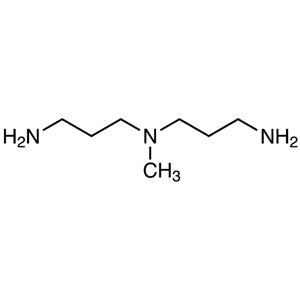
3,3'-Diamino-N-methyldipropylamine TCI B0821
Regular price From Rp 477.750,00Regular priceRp 333.900,00Sale price From Rp 477.750,00 -
4-Aminobenzylamine TCI A1436
Regular price From Rp 4.531.800,00Regular priceRp 3.184.650,00Sale price From Rp 4.531.800,00 -
3-Aminobenzylamine TCI A1431
Regular price From Rp 900.900,00Regular priceRp 645.750,00Sale price From Rp 900.900,00 -
1,3-Phenylenediamine TCI P1911
Regular price From Rp 1.193.850,00Regular priceRp 834.750,00Sale price From Rp 1.193.850,00 -
1,3-Phenylenediamine TCI P1892
Regular price From Rp 505.050,00Regular priceRp 352.800,00Sale price From Rp 505.050,00 -
1,4-Phenylenediamine TCI P0170
Regular price From Rp 557.550,00Regular priceRp 389.550,00Sale price From Rp 557.550,00 -
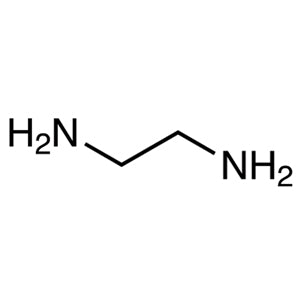
EthylenediamineAnhydrous TCI E0077
Regular price From Rp 505.050,00Regular priceRp 352.800,00Sale price From Rp 505.050,00 -
1,11-Diaminoundecane TCI D2075
Regular price From Rp 2.147.250,00Regular priceRp 1.501.500,00Sale price From Rp 2.147.250,00