


N,N-Dimethyl-1,4-phenylenediamine Oxalate is a chemical compound widely used in laboratory settings for the synthesis of complex molecules. As a key building block in organic chemistry, it plays a crucial role in various synthetic pathways, particularly in the development of aromatic compounds and their derivatives. This compound is commonly found in chemical laboratories as a raw material for producing a wide range of functional chemicals. Its versatility makes it an essential component in both academic and industrial research environments.
The compound is valued for its stable chemical structure and controlled reactivity, allowing researchers to tailor the properties of the final products. Its ease of availability and chemical stability make it a preferred choice for many laboratory applications. The compound’s predictable behavior under different reaction conditions ensures reliable results, which is vital for both research and development. This reliability is especially important in experiments where consistency and reproducibility are key.
In Indonesian laboratories, N,N-Dimethyl-1,4-phenylenediamine Oxalate is frequently used in both fundamental and applied chemical research. It is a staple in university laboratories and research institutions that require a dependable chemical for synthetic processes. Its widespread use in various experimental setups underscores its importance in the chemical research landscape in Indonesia.
Related TCI products
- TCI D1083 3171-45-7 4,5-Dimethyl-1,2-phenylenediamine
- TCI D0782 536-47-0 N,N-Dimethyl-1,4-phenylenediamine Sulfate
- TCI D0780 536-46-9 N,N-Dimethyl-1,4-phenylenediamine Dihydrochloride
- TCI D0779 99-98-9 N,N-Dimethyl-1,4-phenylenediamine
- TCI D0469 29473-53-8 N-(2-Diethylaminoethyl)-1-naphthylamine Oxalate
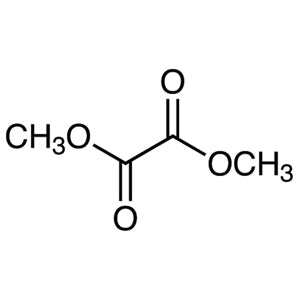
- TCI O0080 553-90-2 Dimethyl Oxalate
- Organic synthesis applications benefit from this compound's ability to participate in substitution and oxidation reactions, making it ideal for creating complex aromatic structures.
- It is widely used in the development of pharmaceutical intermediates due to its reactivity and compatibility with various synthetic methods.
- In analytical chemistry, it serves as a reagent for the detection and quantification of specific compounds through spectroscopic and chromatographic techniques.
- Industrial chemical production relies on this compound for the synthesis of dyes, pigments, and other specialty chemicals due to its stability and reactivity.
- Environmental research utilizes this compound in the study of chemical degradation processes and the behavior of aromatic compounds in different matrices.
| Brand | TCI |
|---|---|
| CAS number | 62778-12-5 |
| Molecular formula | — |
| Purity | — |
| Category | Chemistry > Building Blocks > Non-Heterocyclic Building Blocks |
| Pack sizes | Available in various quantities as per standard laboratory supply |
| Physical form | Solid powder |
| Storage | Store in a cool, dry place away from direct sunlight and moisture |
This compound should be stored in a cool, dry place, away from direct sunlight and moisture to maintain its chemical integrity. It is recommended to use airtight containers made of glass or polyethylene to prevent contamination and degradation. Due to its chemical nature, it should be handled in a well-ventilated area, and personal protective equipment such as gloves and safety goggles should be worn when handling. Avoid exposure to incompatible substances, and ensure that storage areas are secure to prevent accidental spills or contamination. Proper storage ensures the compound remains effective for use in laboratory applications.
—
Produk Terkait
-
4,5-Dimethyl-1,2-phenylenediamine TCI D1083
Regular price From Rp 1.431.150,00Regular price -
N,N-Dimethyl-1,4-phenylenediamineSulfate TCI D0782
Regular price From Rp 1.936.200,00Regular price -
N,N-Dimethyl-1,4-phenylenediamineDihydrochloride TCI D0780
Regular price Rp 2.889.600,00Regular price -
N,N-Dimethyl-1,4-phenylenediamine TCI D0779
Regular price Rp 1.510.950,00Regular price -
N-(2-Diethylaminoethyl)-1-naphthylamineOxalate TCI D0469
Regular price From Rp 584.850,00Regular price -
DimethylOxalate TCI O0080
Regular price From Rp 530.250,00Regular price -
N,N,N',N'-Tetrakis[4-(diisobutylamino)phenyl]-1,4-phenylenediamine TCI T3770
Regular price From Rp 2.094.750,00Regular price -
5-Trifluoromethyl-1,3-phenylenediamine TCI T3239
Regular price Rp 1.273.650,00Regular price


![485831-34-3 N,N,N',N'-Tetrakis[4-(diisobutylamino)phenyl]-1,4-phenylenediamine - AMI Scientific](http://amiscientific.com/cdn/shop/files/TCI2510T3770.jpg?v=1767144326&width=533)
