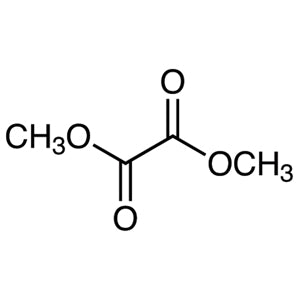
Dimethyl Oxalate from TCI is the dimethyl ester of oxalic acid and the simplest of the oxalate esters. It is a crystalline solid at room temperature. In the laboratory it serves as a two-carbon building block that carries two methyl ester groups. Chemists use it in condensation reactions, in forming oxamides and in making a wide range of synthetic intermediates. Dimethyl oxalate is also widely studied in catalysis research, because it is a key intermediate in routes that produce ethylene glycol and methyl glycolate from synthesis gas.
Chemists often choose dimethyl oxalate because its methyl ester groups are small and react readily with nucleophiles. This lets aminolysis and condensation reactions run efficiently. Because it is a crystalline solid, it is easier to weigh accurately than many liquid esters, and it can be purified further by recrystallization if needed. The molecule has no alpha hydrogens, so it acts as a clean acceptor in crossed Claisen condensations and does not self-condense. The methanol by-product is also easy to evaporate during reaction workup, which makes product isolation simpler.
In Indonesia, this material is relevant to chemical engineering and catalysis laboratories that study synthesis gas conversion and hydrogenation routes to ethylene glycol and methyl glycolate. University organic chemistry groups use it as a dependable reagent for making oxamides, heterocycle precursors and other intermediates in teaching and research. Pharmaceutical and fine chemical research teams also use it when they need a reactive, easy-to-weigh oxalyl source for small-scale synthesis and method development.
Related TCI products
- Crossed Claisen condensation: dimethyl oxalate has no alpha hydrogens, so it acts only as the acceptor and gives cleaner products without self-condensation by-products.
- Oxamide formation: its small, reactive methyl ester groups undergo aminolysis efficiently with amines, giving oxamides and oxamate derivatives under mild conditions.
- Synthesis of intermediates: as a two-carbon building block with two ester groups, it provides a compact oxalyl unit for building more complex organic molecules in multistep synthesis.
- Catalysis research on syngas conversion: it is a key intermediate in routes from synthesis gas to ethylene glycol and methyl glycolate, so it suits studies of hydrogenation catalysts.
- Teaching and method development: it is a crystalline solid that is easy to weigh accurately and can be recrystallized, which makes it practical for reproducible student and research experiments.
| Brand | TCI |
|---|---|
| CAS number | 553-90-2 |
| Molecular formula | — |
| Purity | — |
| Category | Chemistry > Building Blocks > Non-Heterocyclic Building Blocks |
| Pack sizes | see the product page for the pack sizes currently offered |
| Physical form | crystalline solid at room temperature |
| Storage | keep tightly closed in a cool, dry, well-ventilated place |
Store dimethyl oxalate in its original, tightly sealed container in a cool, dry, well-ventilated area, away from moisture, strong bases, strong acids and oxidizing agents. Esters can hydrolyze slowly when exposed to humidity, so reseal the container promptly after use. Handle the material in a fume hood or well-ventilated area, and wear safety glasses, chemical-resistant gloves and a lab coat. Avoid breathing dust and prevent contact with skin and eyes. Always read the supplier's Safety Data Sheet before use, and dispose of waste according to local regulations and your institution's procedures.
—
Produk Terkait
-
Bis[3,4,6-trichloro-2-(pentyloxycarbonyl)phenyl]Oxalate TCI O0236
Regular price From Rp 2.199.750,00Regular price -
DiethylOxalate[forSpectrophotometry] TCI O0120
Regular price Rp 2.730.000,00Regular price -
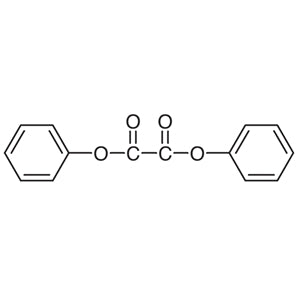
DiphenylOxalate TCI O0111
Regular price From Rp 2.597.700,00Regular price -
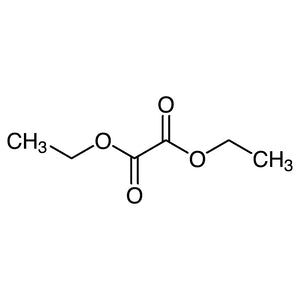
DiethylOxalate TCI O0078
Regular price From Rp 505.050,00Regular price -
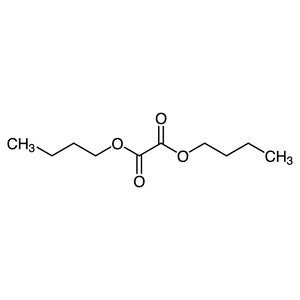
DibutylOxalate TCI O0077
Regular price From Rp 584.850,00Regular price -
EthylPotassiumOxalate TCI E1184
Regular price From Rp 4.213.650,00Regular price -
DibenzylOxalate TCI D6617
Regular price From Rp 1.378.650,00Regular price -
Bis(4-methylbenzyl)Oxalate TCI D6189
Regular price Rp 610.050,00Regular price
![30431-54-0 Bis[3,4,6-trichloro-2-(pentyloxycarbonyl)phenyl] Oxalate - AMI Scientific](http://amiscientific.com/cdn/shop/files/TCI2510O0236.jpg?v=1767131634&width=533)
![95-92-1 Diethyl Oxalate [for Spectrophotometry] - AMI Scientific](http://amiscientific.com/cdn/shop/files/TCI2510O0120.jpg?v=1767131409&width=533)