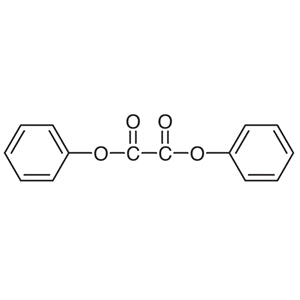
Diphenyl Oxalate from TCI is an aromatic diester of oxalic acid, made up of two phenoxy groups bonded to a central oxalyl core. It is a non-heterocyclic building block best known for its role in peroxyoxalate chemiluminescence. In this reaction, an oxalate ester reacts with hydrogen peroxide in the presence of a fluorescent dye and produces light. Organic and analytical chemistry laboratories also use diphenyl oxalate as a source of the oxalyl group and as a precursor for synthesising esters, amides and other carbonyl compounds.
The main advantage of diphenyl oxalate comes from its phenoxy groups, which are better leaving groups than alkoxy groups. As a result, the compound reacts more readily with nucleophiles than dialkyl oxalates do, so transesterification and aminolysis can proceed under milder conditions. This same reactivity lets it form high-energy intermediates when it reacts with peroxides, which is the basis of chemiluminescent systems. Because it is a solid, it is also easier to weigh accurately and handle than oxalyl reagents that come as corrosive liquids.
In Indonesia, diphenyl oxalate is used by university research groups, teaching laboratories and analytical facilities working in organic synthesis and chemiluminescence. Researchers use it to study light-emitting reactions, develop detection methods and prepare oxalyl-containing derivatives for further synthesis. Because it is supplied as a TCI-branded reagent, laboratories can source a well-identified material for method development, student practical work and routine synthetic procedures where the product needs to be consistent from batch to batch.
Related TCI products
- Peroxyoxalate chemiluminescence studies: diphenyl oxalate reacts with hydrogen peroxide in the presence of a fluorescent dye to generate light, so it is well suited to demonstrating and investigating chemiluminescent reactions.
- Chemiluminescence-based analytical detection: it forms high-energy intermediates with peroxides, which makes it a useful reagent for developing light-emission detection methods in analytical chemistry laboratories.
- Oxalyl group transfer in organic synthesis: it serves as a convenient source of the oxalyl unit, allowing chemists to introduce this two-carbon dicarbonyl fragment into target molecules in a controlled way.
- Transesterification to prepare other oxalate esters: the phenoxy leaving groups make it more reactive than dialkyl oxalates, so ester exchange can take place under milder reaction conditions.
- Aminolysis to prepare oxamides and related amides: its higher reactivity toward nucleophiles such as amines lets amide-forming reactions proceed efficiently without the harsh conditions that less reactive oxalates need.
| Brand | TCI (product code O0111) |
|---|---|
| CAS number | 3155-16-6 |
| Molecular formula | — |
| Purity | — |
| Category | Chemistry > Building Blocks > Non-Heterocyclic Building Blocks |
| Pack sizes | see the available pack options listed on the product page |
| Physical form | solid |
| Storage | keep in a tightly closed container in a cool, dry place, following the TCI label and Safety Data Sheet |
Store diphenyl oxalate in its original, tightly sealed container in a cool, dry and well-ventilated area, away from moisture, heat sources and direct sunlight. Keep it apart from strong oxidising agents such as concentrated peroxides, and from strong bases and nucleophiles, because the compound is designed to react with these substances. Close containers promptly after use to limit exposure to humidity. Handle the solid in a fume hood or well-ventilated area and avoid breathing in dust. Wear suitable personal protective equipment, including safety glasses, gloves and a laboratory coat. Always read the TCI Safety Data Sheet before use and follow your institution's chemical hygiene and waste disposal procedures.
—
Produk Terkait
-
Bis[3,4,6-trichloro-2-(pentyloxycarbonyl)phenyl]Oxalate TCI O0236
Regular price From Rp 2.199.750,00Regular price -
DiethylOxalate[forSpectrophotometry] TCI O0120
Regular price Rp 2.730.000,00Regular price -
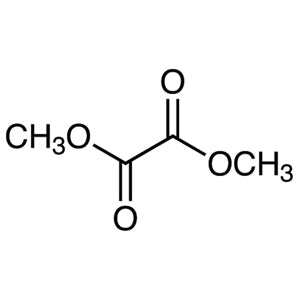
DimethylOxalate TCI O0080
Regular price From Rp 530.250,00Regular price -
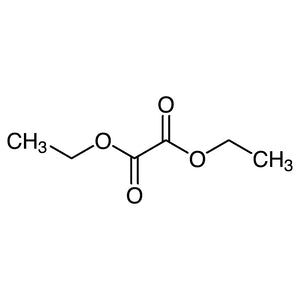
DiethylOxalate TCI O0078
Regular price From Rp 505.050,00Regular price -
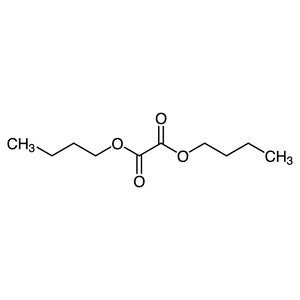
DibutylOxalate TCI O0077
Regular price From Rp 584.850,00Regular price -
EthylPotassiumOxalate TCI E1184
Regular price From Rp 4.213.650,00Regular price -
DibenzylOxalate TCI D6617
Regular price From Rp 1.378.650,00Regular price -
Bis(4-methylbenzyl)Oxalate TCI D6189
Regular price Rp 610.050,00Regular price
![30431-54-0 Bis[3,4,6-trichloro-2-(pentyloxycarbonyl)phenyl] Oxalate - AMI Scientific](http://amiscientific.com/cdn/shop/files/TCI2510O0236.jpg?v=1767131634&width=533)
![95-92-1 Diethyl Oxalate [for Spectrophotometry] - AMI Scientific](http://amiscientific.com/cdn/shop/files/TCI2510O0120.jpg?v=1767131409&width=533)