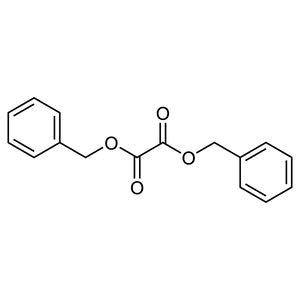
Dibenzyl Oxalate is a chemical compound widely used in organic reactions, particularly in the synthesis of complex molecules. It serves as a key building block in the creation of heterocyclic and aromatic compounds, making it an essential reagent in many synthetic pathways. Its role in the laboratory is critical for facilitating reactions such as esterification and substitution, where its chemical stability allows for controlled and predictable outcomes. This compound is especially valuable in environments requiring specific reaction conditions, such as low temperatures or non-polar solvents.
The chemical properties of Dibenzyl Oxalate make it a preferred choice for laboratory use. Its relatively stable nature ensures ease of processing and storage, reducing the risk of unwanted side reactions. It is not prone to reacting with common laboratory chemicals, which enhances safety and minimizes the potential for accidents. Additionally, its well-defined density and boiling point allow for straightforward identification and separation during analytical procedures. These characteristics contribute to its reliability in both research and educational settings.
In Indonesian laboratories, Dibenzyl Oxalate is commonly used in chemical research, particularly in higher education institutions and research organizations. Its availability and effectiveness make it a popular choice for students and researchers working on synthetic chemistry projects. The compound’s versatility and stability ensure it remains a valuable resource in the pursuit of scientific discovery and innovation.
- Organic synthesis applications benefit from Dibenzyl Oxalate due to its role in forming complex molecular structures through controlled chemical reactions.
- Esterification reactions often utilize this compound because of its ability to participate in ester formation under specific conditions.
- Substitution reactions in the laboratory find Dibenzyl Oxalate useful for introducing functional groups into organic molecules.
- Research in heterocyclic compound development relies on this reagent for its structural versatility and reactivity.
- Educational laboratories use Dibenzyl Oxalate to teach fundamental organic chemistry principles and reaction mechanisms.
| Brand | TCI |
|---|---|
| CAS number | 7579-36-4 |
| Molecular formula | — |
| Purity | — |
| Category | Chemistry > Building Blocks > Non-Heterocyclic Building Blocks |
| Pack sizes | Available in various quantities as per standard laboratory supply options |
| Physical form | Solid or liquid, depending on the specific product variant |
| Storage | Store in a cool, dry place away from direct sunlight and incompatible materials |
Dibenzyl Oxalate should be stored in a cool, dry environment to maintain its chemical stability and prevent degradation. It is recommended to keep the compound in airtight containers to minimize exposure to moisture and air. Suitable storage containers should be made of materials that are chemically inert to avoid any unwanted reactions. In laboratory settings, it is important to handle this compound with care, using appropriate personal protective equipment such as gloves and safety goggles. Proper labeling of storage areas and adherence to standard safety protocols will ensure safe handling and long-term preservation of the material.
—
Produk Terkait
-
Bis[3,4,6-trichloro-2-(pentyloxycarbonyl)phenyl]Oxalate TCI O0236
Regular price From Rp 2.199.750,00Regular price -
DiethylOxalate[forSpectrophotometry] TCI O0120
Regular price Rp 2.730.000,00Regular price -
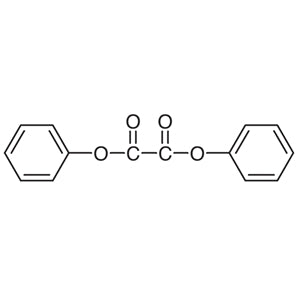
DiphenylOxalate TCI O0111
Regular price From Rp 2.597.700,00Regular price -
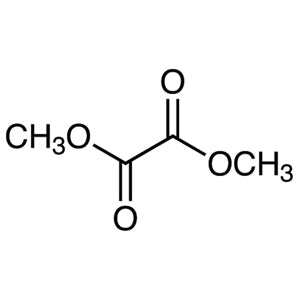
DimethylOxalate TCI O0080
Regular price From Rp 530.250,00Regular price -
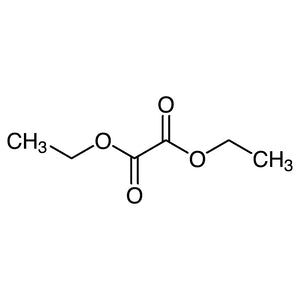
DiethylOxalate TCI O0078
Regular price From Rp 505.050,00Regular price -
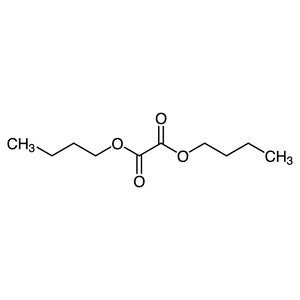
DibutylOxalate TCI O0077
Regular price From Rp 584.850,00Regular price -
EthylPotassiumOxalate TCI E1184
Regular price From Rp 4.213.650,00Regular price -
Bis(4-methylbenzyl)Oxalate TCI D6189
Regular price Rp 610.050,00Regular price
![30431-54-0 Bis[3,4,6-trichloro-2-(pentyloxycarbonyl)phenyl] Oxalate - AMI Scientific](http://amiscientific.com/cdn/shop/files/TCI2510O0236.jpg?v=1767131634&width=533)
![95-92-1 Diethyl Oxalate [for Spectrophotometry] - AMI Scientific](http://amiscientific.com/cdn/shop/files/TCI2510O0120.jpg?v=1767131409&width=533)