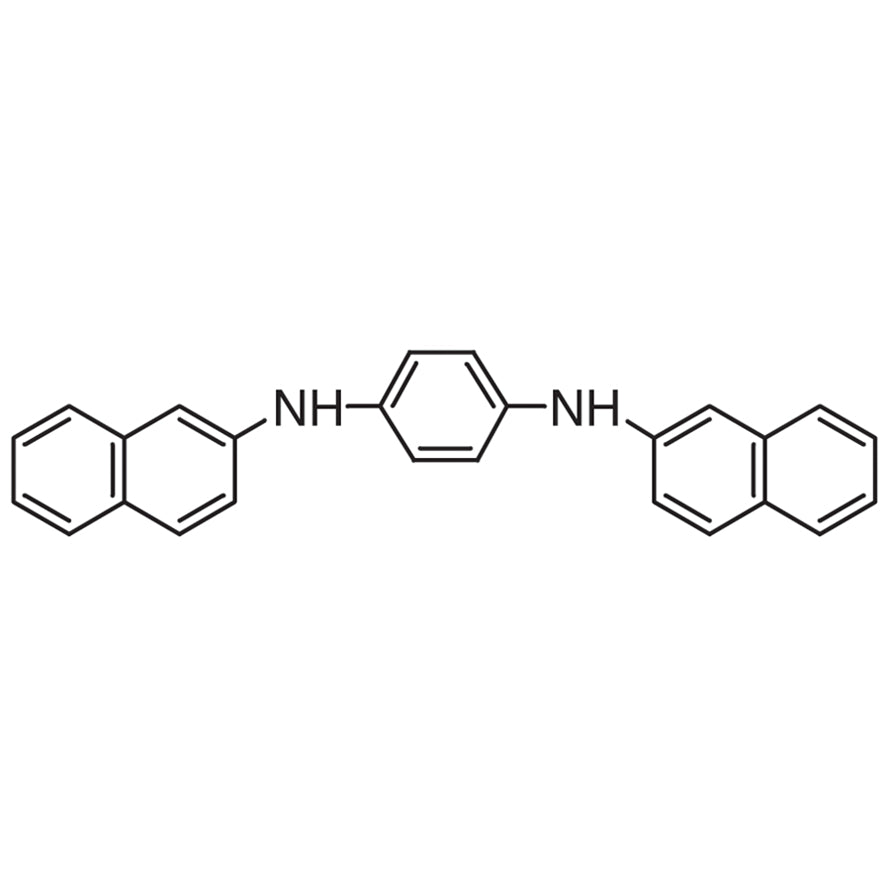
N,N'-Di-2-naphthyl-1,4-phenylenediamine is a chemical compound widely used in scientific and industrial applications, particularly in the field of semiconductor materials. This compound plays a crucial role in the development of organic materials, such as optoelectronic devices and electrolytic components. As a small molecule semiconductor building block, it contributes to the creation of complex material structures with specific conductive properties. Its molecular structure consists of two naphthyl groups attached to a phenylenediamine chain, making it a versatile component in material synthesis.
The chemical and physical stability of this compound make it a preferred choice for laboratories requiring high consistency and reliability. Its ability to form strong bonds and controlled reactivity allows it to be used in the synthesis of materials with tailored properties. This stability ensures that it remains effective across various experimental conditions, supporting both fundamental and applied research. Its predictable behavior in different environments enhances its utility in advanced material development.
In Indonesian laboratories, this compound is commonly used in high-technology research applications, including the development of organic semiconductors and optical components. Many research institutions and universities rely on this material to expand their capabilities in material science. Its role in advancing technological innovation is significant, making it an essential tool for scientific progress in Indonesia.
- Organic semiconductor development: This compound is ideal for creating organic semiconductors due to its molecular structure and conductivity properties.
- Optoelectronic device fabrication: Its role in forming stable and conductive materials makes it suitable for optoelectronic applications.
- Electrolytic component synthesis: The compound’s chemical stability supports the production of electrolytic components with controlled reactivity.
- Advanced material research: Its use in complex material structures enables researchers to explore new properties and applications.
- High-technology research projects: Indonesian laboratories use it to develop cutting-edge materials for various industrial and scientific applications.
| Brand | TCI |
|---|---|
| CAS number | 93-46-9 |
| Molecular formula | — |
| Purity | — |
| Category | Materials Science > Material Building Blocks > Small Molecule Semiconductor Building Blocks |
| Pack sizes | Available in standard laboratory quantities |
| Physical form | Solid powder |
| Storage | Store in a cool, dry place away from light and moisture |
This compound should be stored in a cool, dry place, away from light and moisture to maintain its chemical stability. It is recommended to use airtight containers made of glass or high-density polyethylene to prevent contamination and degradation. Due to its chemical nature, it should be handled with appropriate personal protective equipment, including gloves and safety goggles. Avoid exposure to heat or direct sunlight to preserve its integrity. In laboratory settings, ensure proper ventilation and follow standard chemical safety protocols to minimize risks during handling and use.
—
Produk Terkait
-
4-Chloro-1,2-phenylenediamine TCI C0255
Regular price From Rp 848.400,00Regular price -
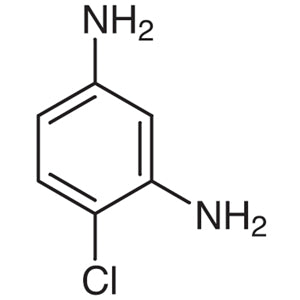
4-Chloro-1,3-phenylenediamine TCI C0710
Regular price From Rp 2.279.550,00Regular price -
4-Nitro-1,2-phenylenediamine TCI D0103
Regular price From Rp 1.035.300,00Regular price -
4-Nitro-1,3-phenylenediamine TCI D0104
Regular price Rp 2.518.950,00Regular price -
2-Nitro-1,4-phenylenediamine TCI D0105
Regular price From Rp 743.400,00Regular price -
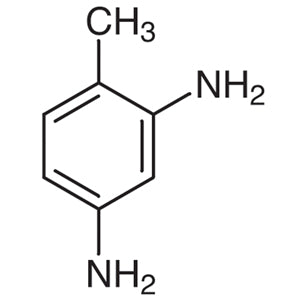
2,4-Diaminotoluene TCI D0123
Regular price Rp 955.500,00Regular price -
2,6-Diaminotoluene TCI D0124
Regular price From Rp 1.035.300,00Regular price -
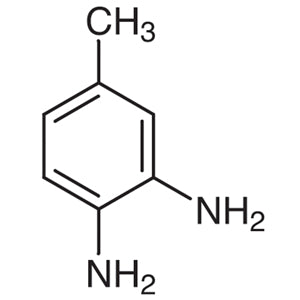
3,4-Diaminotoluene TCI D0125
Regular price Rp 1.776.600,00Regular price