3,4-Dichloro-1-butene is a chemical compound widely used in various laboratory reactions due to its versatile chemical properties. As a building block in organic synthesis, it serves as a foundational material for creating more complex molecules. Its simple yet essential structure makes it a valuable resource for chemists working in research and development. This compound is commonly found in chemical laboratories, where it plays a crucial role in the synthesis of esters, amines, and heterocyclic compounds. Its presence in the chemical supply chain ensures that it is readily available for use in both academic and industrial settings.
The compound's high reactivity is primarily due to the presence of two chlorine atoms at positions 3 and 4 on the butyl chain. This structural feature enhances its ability to participate in nucleophilic substitution, addition, and electrophilic reactions. The reactivity of 3,4-Dichloro-1-butene makes it a preferred choice for organic chemists seeking to explore new synthetic pathways. Its stability and ease of handling further contribute to its popularity in laboratory environments, where it is used to develop new compounds across multiple scientific disciplines.
In Indonesian laboratories, 3,4-Dichloro-1-butene is a key component in research and development activities, particularly in the fields of pharmacy, food chemistry, and materials science. Its availability and reliability make it a sought-after material for researchers and practitioners in educational institutions and industries. The compound's consistent performance and compatibility with various chemical processes ensure its continued use in both basic and applied research projects.
Related TCI products
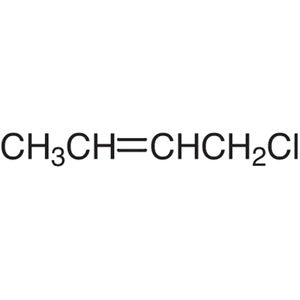
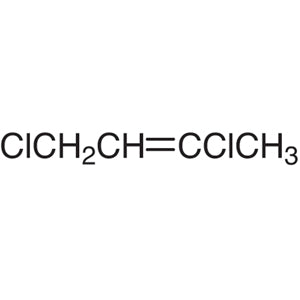
- TCI D0351 926-57-8 1,3-Dichloro-2-butene (cis- and trans- mixture)
- TCI B1412 13294-71-8 2-Bromo-2-butene (stabilized with Copper chip)
- TCI B0920 5162-44-7 4-Bromo-1-butene
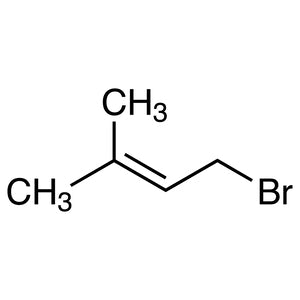
- TCI B0844 870-63-3 1-Bromo-3-methyl-2-butene (stabilized with Silver chip)
- TCI B0806 75-25-2 Bromoform (stabilized with 2-Methyl-2-butene) [for Spectrophotometry]
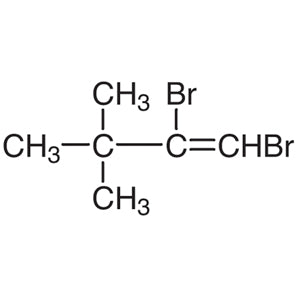
- TCI D2914 99584-95-9 1,2-Dibromo-3,3-dimethyl-1-butene
- Organic synthesis is a key application where 3,4-Dichloro-1-butene is used to create complex molecules through nucleophilic substitution and electrophilic reactions.
- Pharmaceutical research benefits from this compound as it is used to develop new drugs and compounds with specific chemical properties.
- Food chemistry applications include the synthesis of flavor compounds and food additives, where its reactivity helps in creating desired chemical structures.
- Material science research utilizes this compound to develop new polymers and synthetic materials with enhanced chemical properties.
- Educational institutions use 3,4-Dichloro-1-butene in teaching and research to demonstrate fundamental chemical reactions and synthetic techniques.
| Brand | TCI |
|---|---|
| CAS number | 760-23-6 |
| Molecular formula | — |
| Purity | — |
| Category | Chemistry > Building Blocks > Non-Heterocyclic Building Blocks |
| Pack sizes | Available in various quantities as per supplier specifications |
| Physical form | Liquid |
| Storage | Store in a cool, dry place away from direct sunlight |
3,4-Dichloro-1-butene should be stored in a cool, dry place away from direct sunlight to maintain its chemical stability. It is recommended to use airtight containers made of materials that are chemically inert, such as glass or polyethylene, to prevent contamination and evaporation. As a reactive chemical, it should be handled with appropriate personal protective equipment, including gloves and safety goggles, to ensure laboratory safety. Proper ventilation is essential when working with this compound to minimize exposure to vapors. Due to its reactivity, it should be stored separately from incompatible substances to prevent unwanted chemical interactions. Regular monitoring of storage conditions ensures the compound remains safe and effective for use in laboratory applications.
—
Produk Terkait
-
1,3-Dichloro-2-butene(cis-andtrans-mixture) TCI D0351
Regular price Rp 8.533.350,00Regular price -
2-Bromo-2-butene(stabilizedwithCopperchip) TCI B1412
Regular price From Rp 1.724.100,00Regular price -
4-Bromo-1-butene TCI B0920
Regular price From Rp 2.094.750,00Regular price -
1-Bromo-3-methyl-2-butene(stabilizedwithSilverchip) TCI B0844
Regular price From Rp 769.650,00Regular price -
Bromoform(stabilizedwith2-Methyl-2-butene)[forSpectrophotometry] TCI B0806
Regular price Rp 6.333.600,00Regular price -
1,2-Dibromo-3,3-dimethyl-1-butene TCI D2914
Regular price Rp 1.458.450,00Regular price -
4-Chloro-1-butene TCI C3611
Regular price From Rp 1.140.300,00Regular price -
CrotylChloride(cis-andtrans-mixture,contains38%3-Chloro-1-buteneatmaximum) TCI C1686
Regular price From Rp 689.850,00Regular price


![75-25-2 Bromoform (stabilized with 2-Methyl-2-butene) [for Spectrophotometry] - AMI Scientific](http://amiscientific.com/cdn/shop/files/TCI2510B0806.jpg?v=1767086115&width=533)