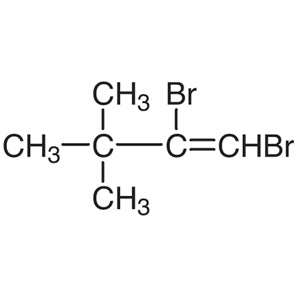
1,2-Dibromo-3,3-dimethyl-1-butene is a chemical compound widely used as a building block in organic synthesis. This versatile reagent plays a crucial role in laboratories where complex molecular structures are being developed. Its unique molecular structure, featuring two bromine atoms on the first and second carbon positions of a butene chain, makes it an essential tool for chemists. It is commonly employed in substitution and addition reactions to create a variety of organic compounds.
The compound’s stability and controlled reactivity make it a preferred choice for synthetic chemists. It exhibits good reactivity under various chemical conditions, such as reactions with alkali metals or oxidizing agents. These properties allow it to be used efficiently in experiments that require high yield and predictable outcomes. Its predictable structure also simplifies reaction planning and computational modeling, making it a reliable option for both research and educational purposes.
In Indonesian laboratories, 1,2-Dibromo-3,3-dimethyl-1-butene is extensively used by researchers and students in higher education institutions and research centers. It supports a wide range of chemical investigations, from pharmaceutical development to industrial chemical synthesis. Its availability and reliability make it a valuable resource for both academic and applied research in the field of organic chemistry.
Related TCI products
- TCI B1412 13294-71-8 2-Bromo-2-butene (stabilized with Copper chip)
- TCI B0920 5162-44-7 4-Bromo-1-butene
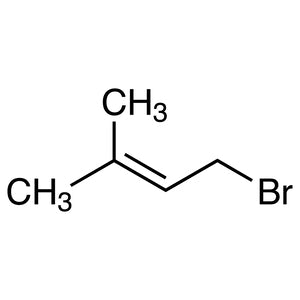
- TCI B0844 870-63-3 1-Bromo-3-methyl-2-butene (stabilized with Silver chip)
- TCI B0806 75-25-2 Bromoform (stabilized with 2-Methyl-2-butene) [for Spectrophotometry]
- TCI D1072 760-23-6 3,4-Dichloro-1-butene
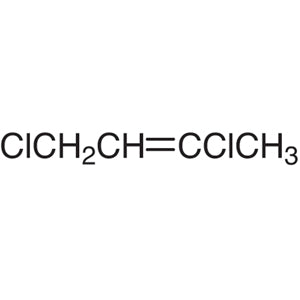
- TCI D0351 926-57-8 1,3-Dichloro-2-butene (cis- and trans- mixture)
- Organic Synthesis: This compound is ideal for creating complex organic molecules through substitution and addition reactions, enabling the development of new pharmaceuticals and industrial chemicals.
- Educational Research: It is commonly used in academic settings to teach students about chemical reactivity and synthetic pathways, enhancing their understanding of organic chemistry principles.
- Pharmaceutical Development: Its reactivity and stability make it suitable for synthesizing drug compounds, supporting research in medicinal chemistry and drug discovery.
- Industrial Chemistry: It is used in the production of various chemical products, contributing to the development of materials and compounds for industrial applications.
- Analytical Chemistry: Its predictable structure and reactivity allow for precise chemical analysis, supporting research in analytical and spectroscopic studies.
| Brand | TCI |
|---|---|
| CAS number | 99584-95-9 |
| Molecular formula | — |
| Purity | — |
| Category | Chemistry > Building Blocks > Non-Heterocyclic Building Blocks |
| Pack sizes | Available in various quantities as per standard laboratory supply |
| Physical form | Liquid |
| Storage | Store in a cool, dry place away from light and incompatible substances |
This compound should be stored in a cool, dry location, away from direct sunlight and sources of heat. It is recommended to use airtight containers made of materials compatible with organic solvents to prevent contamination and evaporation. Due to its bromine content, it should be kept away from incompatible substances such as flammable materials and strong oxidizers. Proper ventilation is essential when handling this compound to minimize exposure. Laboratory personnel should wear appropriate personal protective equipment, including gloves and safety goggles, to ensure safe handling. Regular monitoring of storage conditions is advised to maintain the compound’s integrity and ensure safe usage in laboratory settings.
—
Produk Terkait
-
2-Bromo-2-butene(stabilizedwithCopperchip) TCI B1412
Regular price From Rp 1.724.100,00Regular price -
4-Bromo-1-butene TCI B0920
Regular price From Rp 2.094.750,00Regular price -
1-Bromo-3-methyl-2-butene(stabilizedwithSilverchip) TCI B0844
Regular price From Rp 769.650,00Regular price -
Bromoform(stabilizedwith2-Methyl-2-butene)[forSpectrophotometry] TCI B0806
Regular price Rp 6.333.600,00Regular price -
3,4-Dichloro-1-butene TCI D1072
Regular price Rp 2.650.200,00Regular price -
1,3-Dichloro-2-butene(cis-andtrans-mixture) TCI D0351
Regular price Rp 8.533.350,00Regular price -
4-Chloro-1-butene TCI C3611
Regular price From Rp 1.140.300,00Regular price -
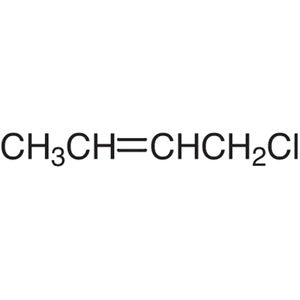
CrotylChloride(cis-andtrans-mixture,contains38%3-Chloro-1-buteneatmaximum) TCI C1686
Regular price From Rp 689.850,00Regular price


![75-25-2 Bromoform (stabilized with 2-Methyl-2-butene) [for Spectrophotometry] - AMI Scientific](http://amiscientific.com/cdn/shop/files/TCI2510B0806.jpg?v=1767086115&width=533)