1-Bromo-3-methyl-2-butene is a chemical compound widely used as a building block in the synthesis of complex organic molecules. Its unique molecular structure makes it a valuable reagent in various chemical reactions, enabling the formation of desired products through substitution or addition mechanisms. In laboratory settings, this compound plays a crucial role in organic chemistry research, offering versatility in the development of new compounds and functional materials. Its reactivity and structural adaptability make it a preferred choice for chemists working on synthetic pathways and molecular design.
The compound is stabilized with a silver chip, which significantly enhances its chemical stability and reduces the risk of unwanted decomposition or side reactions. This stabilization ensures safe handling and long-term storage, making it suitable for use in diverse laboratory conditions. Its physical properties, including appropriate boiling and melting points, facilitate efficient separation and purification processes. These characteristics contribute to its reliability and effectiveness in both academic and industrial research environments.
In Indonesian laboratories, 1-Bromo-3-methyl-2-butene is extensively utilized in organic chemistry research, particularly in higher education institutions and research organizations. Its availability, quality, and consistent performance make it a go-to reagent for synthetic applications. The compound supports a wide range of experimental needs, from basic research to advanced chemical synthesis projects, ensuring its relevance in the scientific community.
Related TCI products
- TCI B1412 13294-71-8 2-Bromo-2-butene (stabilized with Copper chip)
- TCI B0920 5162-44-7 4-Bromo-1-butene
- TCI B0806 75-25-2 Bromoform (stabilized with 2-Methyl-2-butene) [for Spectrophotometry]
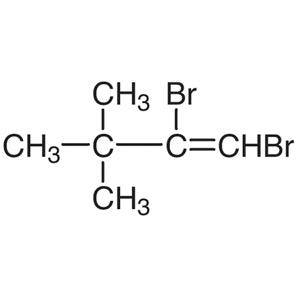
- TCI D2914 99584-95-9 1,2-Dibromo-3,3-dimethyl-1-butene
- TCI D1072 760-23-6 3,4-Dichloro-1-butene
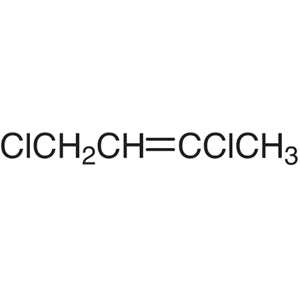
- TCI D0351 926-57-8 1,3-Dichloro-2-butene (cis- and trans- mixture)
- Organic synthesis applications benefit from this compound’s reactivity and structural versatility, enabling the creation of complex molecules in research and development.
- It is ideal for substitution and addition reactions, offering chemists a reliable building block for designing new compounds and functional materials.
- In academic settings, it supports teaching and learning in organic chemistry, providing students with hands-on experience in synthetic techniques.
- Its stability and safety profile make it suitable for use in both small-scale and large-scale laboratory operations, ensuring consistent results.
- It is commonly used in the development of pharmaceuticals and specialty chemicals, contributing to the advancement of chemical innovation in Indonesia.
| Brand | TCI |
|---|---|
| CAS number | 870-63-3 |
| Molecular formula | — |
| Purity | — |
| Category | Chemistry > Building Blocks > Non-Heterocyclic Building Blocks |
| Pack sizes | Available in various quantities as per standard laboratory supply |
| Physical form | Liquid |
| Storage | Store in a cool, dry place away from direct sunlight and incompatible materials |
This compound should be stored in a cool, dry environment, away from direct sunlight and sources of heat. It is recommended to use sealed containers made of glass or inert plastic to prevent contamination and maintain stability. Due to its reactivity, it should be kept away from strong oxidizing agents and incompatible substances. Proper ventilation is essential when handling to minimize exposure. Always follow standard laboratory safety protocols, including the use of personal protective equipment. The inclusion of a silver chip as a stabilizer enhances its shelf life and reduces the risk of decomposition, ensuring safe and effective use in research settings.
—
Produk Terkait
-
2-Bromo-2-butene(stabilizedwithCopperchip) TCI B1412
Regular price From Rp 1.724.100,00Regular priceRp 1.205.400,00Sale price From Rp 1.724.100,00 -
4-Bromo-1-butene TCI B0920
Regular price From Rp 2.094.750,00Regular priceRp 1.464.750,00Sale price From Rp 2.094.750,00 -
Bromoform(stabilizedwith2-Methyl-2-butene)[forSpectrophotometry] TCI B0806
Regular price Rp 6.333.600,00Regular priceRp 4.428.900,00Sale price Rp 6.333.600,00 -
1,2-Dibromo-3,3-dimethyl-1-butene TCI D2914
Regular price Rp 1.458.450,00Regular priceRp 1.019.550,00Sale price Rp 1.458.450,00 -
3,4-Dichloro-1-butene TCI D1072
Regular price Rp 2.650.200,00Regular priceRp 1.853.250,00Sale price Rp 2.650.200,00 -
1,3-Dichloro-2-butene(cis-andtrans-mixture) TCI D0351
Regular price Rp 8.533.350,00Regular priceRp 5.967.150,00Sale price Rp 8.533.350,00 -
4-Chloro-1-butene TCI C3611
Regular price From Rp 1.140.300,00Regular priceRp 796.950,00Sale price From Rp 1.140.300,00 -
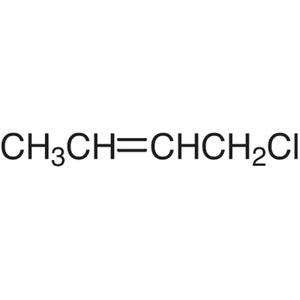
CrotylChloride(cis-andtrans-mixture,contains38%3-Chloro-1-buteneatmaximum) TCI C1686
Regular price From Rp 689.850,00Regular priceRp 481.950,00Sale price From Rp 689.850,00