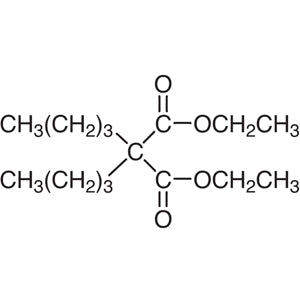
Diethyl dibutylmalonate is a chemical compound widely used as a building block in the synthesis of complex organic compounds. It plays a crucial role in laboratory settings by facilitating the formation of carbon-carbon bonds and enabling functional group transformations. This versatile reagent is essential for chemists aiming to create a variety of organic molecules with specific structural features. Its reactivity makes it suitable for various synthetic pathways, including alkylation, condensation, and substitution reactions.
One of the key attributes of diethyl dibutylmalonate is its stability and solubility in common organic solvents such as ethyl acetate and ethanol. These properties make it an ideal choice for reactions requiring consistent performance and ease of handling. Additionally, its relatively high boiling and melting points allow for efficient heating and cooling processes in laboratory procedures. The compound’s predictable behavior under different reaction conditions enhances its reliability in both research and industrial applications.
In Indonesian laboratories, diethyl dibutylmalonate is extensively used in chemical, pharmaceutical, and industrial research. It supports the development of new compounds, drug synthesis, and the production of specialty chemicals. Its availability and performance make it a preferred material for scientists and researchers working in diverse fields of chemistry. Its role in advancing chemical innovation is significant and continuously growing.
- Organic synthesis: Diethyl dibutylmalonate is ideal for creating complex organic structures due to its reactivity and stability in various reaction conditions.
- Pharmaceutical research: It is used in the development of new drugs as a key intermediate in synthetic pathways for pharmaceutical compounds.
- Industrial chemical production: Its solubility and reactivity make it suitable for large-scale chemical manufacturing processes.
- Functional group modification: The compound enables efficient substitution and condensation reactions, aiding in the modification of molecular structures.
- Teaching and research laboratories: It is commonly used in academic settings for educational purposes and experimental studies in organic chemistry.
| Brand | TCI |
|---|---|
| CAS number | 596-75-8 |
| Molecular formula | — |
| Purity | — |
| Category | Chemistry > Building Blocks > Non-Heterocyclic Building Blocks |
| Pack sizes | Available in standard laboratory quantities |
| Physical form | Liquid |
| Storage | Store in a cool, dry place away from direct sunlight |
Diethyl dibutylmalonate should be stored in a cool, dry environment, away from direct sunlight and sources of heat. It is recommended to use sealed containers made of glass or high-density polyethylene to prevent contamination and evaporation. As a reactive chemical, it should be handled with appropriate personal protective equipment, including gloves and safety goggles, to ensure laboratory safety. The compound is not flammable but should be kept away from incompatible materials such as strong oxidizers. Regular monitoring of storage conditions is essential to maintain its chemical integrity and ensure safe usage in laboratory settings.
—
Produk Terkait
-
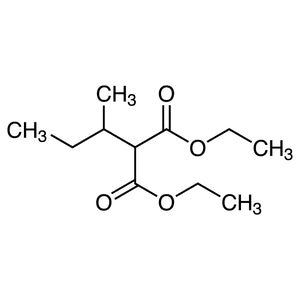
Diethylsec-Butylmalonate TCI B0384
Regular price Rp 2.016.000,00Regular price -
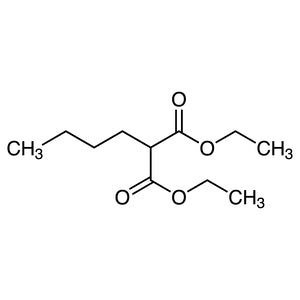
DiethylButylmalonate TCI B0381
Regular price From Rp 530.250,00Regular price -
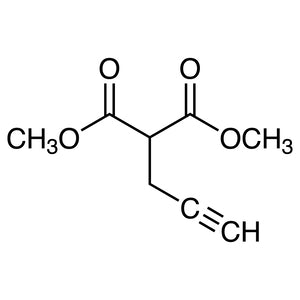
Dimethyl2-Propyn-1-ylmalonate TCI D6072
Regular price From Rp 1.115.100,00Regular price -
DiethylIsobutylmalonate TCI I0251
Regular price From Rp 1.696.800,00Regular price -
DiethylDiisobutylmalonate TCI D2280
Regular price Rp 2.942.100,00Regular price -
DiethylAllylmalonate TCI A0231
Regular price From Rp 2.068.500,00Regular price -
DiethylAcetylenedicarboxylate TCI A0089
Regular price From Rp 2.837.100,00Regular price -
Diethyl1,3-Acetonedicarboxylate TCI A0055
Regular price From Rp 1.140.300,00Regular price