Diethyl Butylmalonate (DEBM), with CAS number 133-08-4, is an organic compound widely used in chemical reactions for the synthesis of complex molecules. As a key building block in organic chemistry, it serves as a foundational material in the creation of both heterocyclic and non-heterocyclic compounds. This versatile reagent is commonly utilized in research settings to produce compounds with specific structural characteristics. Its chemical stability and reactivity with various reagents, such as bases, acids, and alkali metals, make it an essential tool in synthetic chemistry.
DEBM is particularly favored for its ability to participate in a range of chemical reactions, including substitution, esterification, and cross-coupling. These properties allow chemists to manipulate molecular structures efficiently, making it a preferred choice in both academic and industrial laboratories. Its compatibility with a wide array of reagents and its predictable chemical behavior contribute to its reliability in synthetic processes. This makes DEBM a valuable component in the development of new pharmaceuticals, materials, and chemical intermediates.
In Indonesian laboratories, DEBM is extensively used in chemical research, especially in the development of pharmaceutical compounds, industrial raw materials, and advanced materials. It is also integrated into educational settings to enhance students’ understanding of organic reactions. Its broad applicability and consistent performance make it a sought-after reagent in both research and teaching environments.
- Synthesis of heterocyclic compounds for the development of new pharmaceuticals due to its reactivity and structural versatility.
- Cross-coupling reactions in the creation of complex organic molecules because of its stability and compatibility with various reagents.
- Esterification processes for the production of ester-based compounds used in fragrance and pharmaceutical industries.
- Organic chemistry education to demonstrate fundamental reaction mechanisms and synthetic strategies.
- Material science research for the development of novel polymers and functional materials through controlled chemical modifications.
| Brand | TCI |
|---|---|
| CAS number | 133-08-4 |
| Molecular formula | — |
| Purity | — |
| Category | Chemistry > Building Blocks > Non-Heterocyclic Building Blocks |
| Pack sizes | Available in standard laboratory quantities |
| Physical form | Liquid |
| Storage | Store in a cool, dry place away from direct sunlight |
DEBM should be stored in a cool, dry location, away from direct sunlight and sources of heat. It is recommended to use airtight, sealed containers to prevent exposure to moisture and air. Due to its chemical reactivity, it should be handled in a well-ventilated area, preferably with appropriate personal protective equipment. Avoid contact with strong acids, bases, or reactive metals. Keep the material away from incompatible substances to ensure safety in the laboratory environment. Regular inspection of storage conditions is advised to maintain the integrity of the compound.
—
Produk Terkait
-
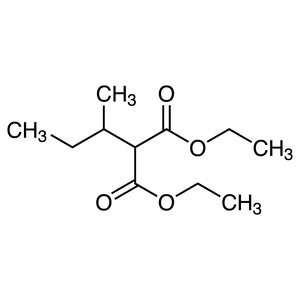
Diethylsec-Butylmalonate TCI B0384
Regular price Rp 2.068.500,00Regular priceRp 1.461.600,00Sale price Rp 2.068.500,00 -
DiethylIsobutylmalonate TCI I0251
Regular price From Rp 1.749.300,00Regular priceRp 1.239.000,00Sale price From Rp 1.749.300,00 -
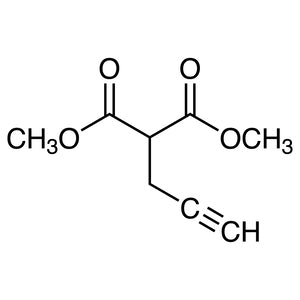
Dimethyl2-Propyn-1-ylmalonate TCI D6072
Regular price From Rp 1.167.600,00Regular priceRp 831.600,00Sale price From Rp 1.167.600,00 -
DiethylDiisobutylmalonate TCI D2280
Regular price Rp 2.994.600,00Regular priceRp 2.109.450,00Sale price Rp 2.994.600,00 -
DiethylDibutylmalonate TCI D1184
Regular price Rp 1.483.650,00Regular priceRp 1.053.150,00Sale price Rp 1.483.650,00 -
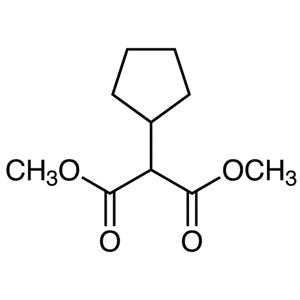
DimethylCyclopentylmalonate TCI C1621
Regular price From Rp 955.500,00Regular priceRp 683.550,00Sale price From Rp 955.500,00 -
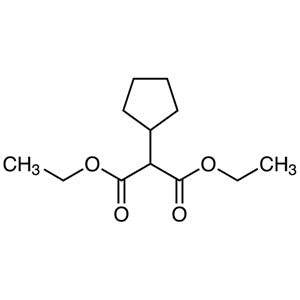
DiethylCyclopentylmalonate TCI C0944
Regular price Rp 5.910.450,00Regular priceRp 4.132.800,00Sale price Rp 5.910.450,00 -
DiethylAllylmalonate TCI A0231
Regular price From Rp 2.121.000,00Regular priceRp 1.498.350,00Sale price From Rp 2.121.000,00