2,3-Dimethyl-1-pentene is a chemical compound widely used as a building block in organic synthesis. It belongs to the category of non-heterocyclic building blocks and is essential for constructing complex molecules in laboratory settings. This compound is particularly valuable due to its alkene structure, which allows for various chemical reactions such as addition and substitution. Its versatility makes it a key component in both research and product development. In Indonesian laboratories, it is frequently utilized across multiple disciplines, including organic chemistry, pharmaceuticals, and materials science.
The compound's chemical properties are both stable and reactive, making it a preferred choice for researchers. Its structure, featuring two methyl groups at positions 2 and 3, enhances its reactivity and ability to participate in diverse chemical transformations. This unique configuration allows it to be easily modified into other compounds, offering flexibility in synthetic pathways. Its reliability and predictable behavior under various reaction conditions make it a trusted material in both academic and industrial research environments.
In Indonesian laboratories, 2,3-Dimethyl-1-pentene is commonly used in experiments requiring a flexible and adaptable starting material. Its role is crucial in the synthesis of more complex organic compounds, especially in the development of new pharmaceuticals and advanced materials. Researchers in Indonesia rely on this compound for its consistent performance and compatibility with a wide range of chemical processes, ensuring reliable results in their experimental work.
- Organic synthesis applications benefit from this compound's alkene structure, enabling efficient addition and substitution reactions in complex molecule construction.
- Pharmaceutical research utilizes it as a versatile building block for the development of new drug compounds through various synthetic pathways.
- Material science experiments leverage its reactivity to create polymers and other advanced materials with tailored properties.
- Analytical chemistry uses it as a standard reference material for calibration and quality control in chromatographic and spectroscopic analyses.
- Industrial chemical processes incorporate it as a precursor in the production of specialty chemicals and intermediates for diverse applications.
| Brand | TCI |
|---|---|
| CAS number | 3404-72-6 |
| Molecular formula | — |
| Purity | — |
| Category | Chemistry > Building Blocks > Non-Heterocyclic Building Blocks |
| Pack sizes | Available in various quantities as per standard laboratory supply options |
| Physical form | Liquid |
| Storage | Store in a cool, dry place away from direct sunlight and incompatible materials |
This compound should be stored in a cool, dry environment, away from direct sunlight and sources of heat. It is recommended to use airtight containers made of materials compatible with organic solvents to prevent evaporation and contamination. Due to its reactivity, it should be handled in a well-ventilated area, preferably under a fume hood, to ensure safety. Avoid contact with strong oxidizing agents and incompatible substances. Always wear appropriate personal protective equipment, including gloves and safety goggles, when handling this material. Proper storage and handling protocols help maintain its chemical integrity and ensure safe laboratory practices.
—
Produk Terkait
-
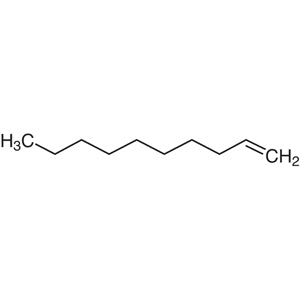
1-Decene TCI D0028
Regular price From Rp 505.050,00Regular price -
1-Decyne TCI D0037
Regular price From Rp 875.700,00Regular price -
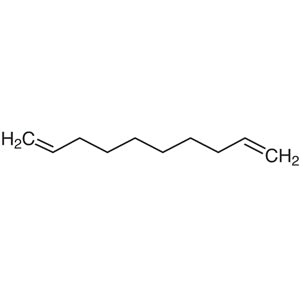
1,9-Decadiene TCI D0245
Regular price From Rp 1.378.650,00Regular price -
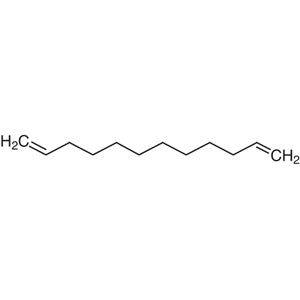
1,11-Dodecadiene TCI D0283
Regular price From Rp 3.949.050,00Regular price -
2,3-Dimethyl-2-butene TCI D0693
Regular price From Rp 1.829.100,00Regular price -
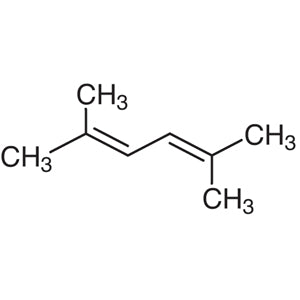
2,5-Dimethyl-2,4-hexadiene(stabilizedwithBHT) TCI D0735
Regular price From Rp 903.000,00Regular price -
1-Dodecene TCI D0974
Regular price From Rp 505.050,00Regular price -
1-Dodecyne TCI D0997
Regular price From Rp 1.008.000,00Regular price