TCI D2109 2,6-Dichlorobenzyl Methyl Ether is a chlorinated aromatic compound carrying a methylated benzyl ether group, supplied as a non-heterocyclic building block for organic synthesis work in the laboratory. Its primary role is to provide a benzene core that already bears two chlorine atoms at the doubly ortho positions, together with a benzylic group that has been protected as a methyl ether. Researchers can therefore use this aromatic framework directly, without first having to carry out directed chlorination or protection of a benzylic alcohol group, so the synthetic route becomes more compact and its outcome easier to control.
The property that makes this material a frequent choice is its 2,6-dichloro substitution pattern. The two chlorine atoms flanking the benzylic group provide considerable steric hindrance while simultaneously withdrawing electron density from the ring, so the reactivity and the direction of subsequent reactions can be predicted more reliably. The chlorine atoms on the aromatic ring also have the potential to serve as connection points in transition-metal-catalysed coupling reactions, while the methyl ether group protects the benzylic position against oxidation and unwanted side reactions. This combination of a pre-installed substitution pattern and a protected benzylic centre shortens the route and reduces the number of steps that must be validated.
In Indonesian laboratories, a building block of this kind is typically used in university research groups, government research institutes, and industrial research and development units working on organic synthesis and medicinal chemistry exploration. Because the chlorination and protection steps have already been performed by the manufacturer, working groups with limited reagent inventories and limited fume hood time can start directly from this framework, which is particularly useful for thesis projects, method development, and small-scale multi-step synthesis routes.
Related TCI products
- Organic synthesis building block work: supplies a pre-chlorinated, pre-protected aromatic framework so researchers can begin a multi-step route without performing directed chlorination or benzylic alcohol protection themselves.
- Transition-metal-catalysed coupling reactions: the chlorine atoms on the aromatic ring provide potential connection points for catalytic coupling chemistry, allowing further aryl substituents to be introduced onto the benzene core.
- Medicinal chemistry exploration: the 2,6-dichloro pattern combined with a protected benzylic position gives a predictable scaffold for preparing analogue series during structure-activity exploration in research programmes.
- Protected benzylic intermediate preparation: the methyl ether shields the benzylic position from oxidation and unwanted side reactions, so chemistry can be performed elsewhere on the molecule without losing that centre.
- Synthetic route shortening and method development: because the substitution pattern is already installed, method development groups can validate fewer steps and control reaction outcomes more easily during route optimisation studies.
| Brand | TCI (Tokyo Chemical Industry) |
|---|---|
| CAS number | 33486-90-7 |
| Molecular formula | — |
| Purity | — |
| Category | Chemistry > Building Blocks > Non-Heterocyclic Building Blocks |
| Pack sizes | available in the standard research-scale packaging offered by the manufacturer for this catalogue item; please confirm the currently available pack size when ordering |
| Physical form | — |
| Storage | keep in the tightly closed original container under the storage conditions stated on the manufacturer's label and safety data sheet |
- Catalogue number: D2109
- Chemical name: 2,6-Dichlorobenzyl Methyl Ether
Store this compound in its original tightly closed container, in a cool, dry, and well-ventilated area away from heat, ignition sources, moisture, and strong oxidising agents, and follow the specific storage conditions printed on the manufacturer's label and safety data sheet. Keep the container clearly labelled and segregated according to your laboratory's chemical compatibility scheme. Handle the material inside a functioning fume hood, wearing safety glasses, chemical-resistant gloves, and a laboratory coat, and avoid inhaling vapours or allowing contact with skin and eyes. Transfer only the quantity needed for the experiment, reseal the container promptly to limit exposure to air and humidity, and collect residues and contaminated consumables as chemical waste for disposal through your institution's approved waste route. Review the safety data sheet before first use and ensure emergency eyewash and shower facilities are accessible.
—
Produk Terkait
-
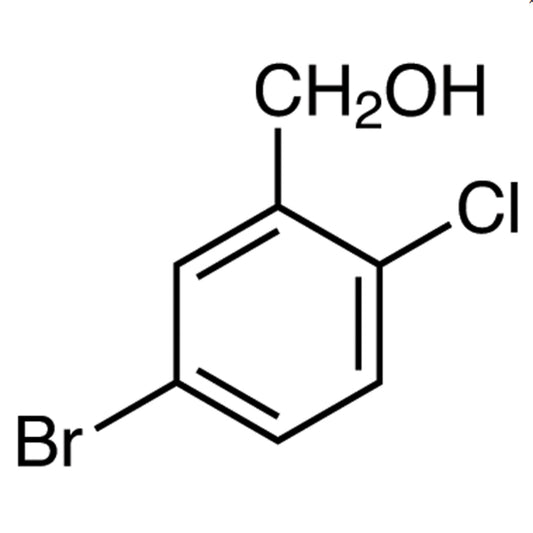
5-Bromo-2-chlorobenzylAlcohol TCI B3946
Regular price From Rp 743.400,00Regular price -
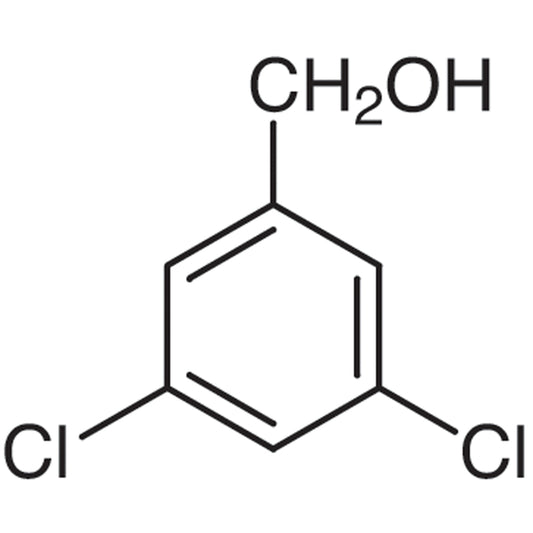
3,5-DichlorobenzylAlcohol TCI D3791
Regular price From Rp 689.850,00Regular price -
2,3-DichlorobenzylAlcohol TCI D2425
Regular price Rp 1.087.800,00Regular price -
2,4-DichlorobenzylAlcohol TCI D1837
Regular price Rp 1.035.300,00Regular price -
3,4-DichlorobenzylAlcohol TCI D1748
Regular price Rp 1.988.700,00Regular price -
2,6-DichlorobenzylAlcohol TCI D1747
Regular price Rp 1.458.450,00Regular price -
3-ChlorobenzylAlcohol TCI C0650
Regular price Rp 1.510.950,00Regular price -
4-ChlorobenzylAlcohol TCI C0565
Regular price Rp 1.565.550,00Regular price