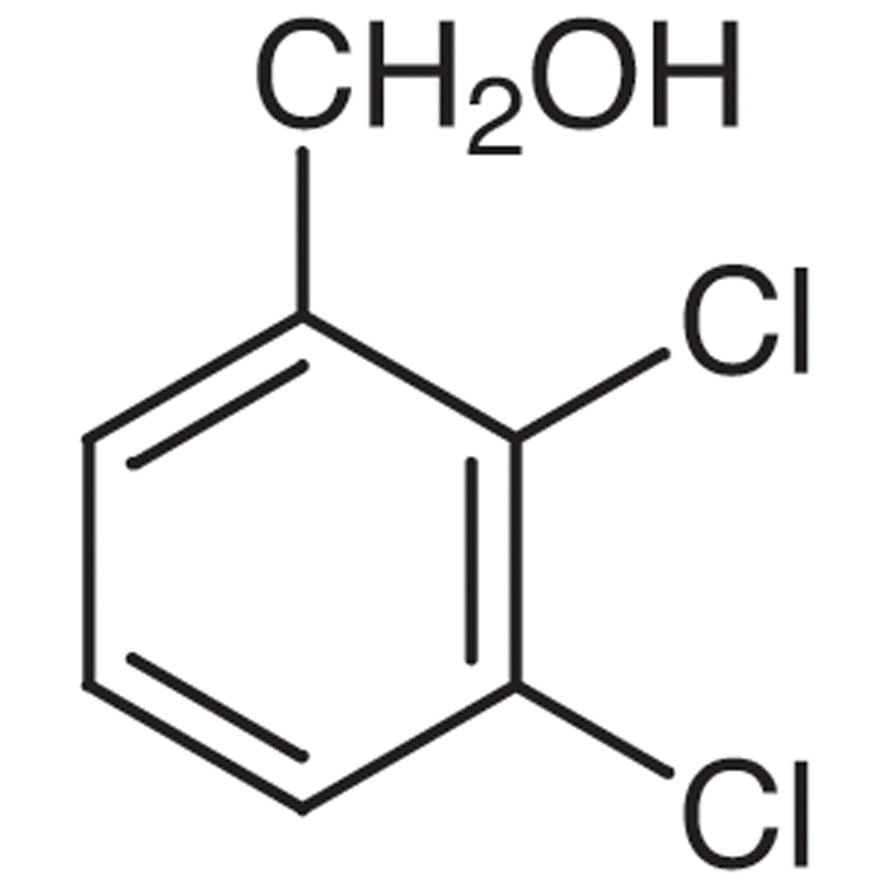
2,3-Dichlorobenzyl Alcohol is a chemical compound widely used in laboratory settings for the synthesis of complex organic molecules. As a building block in chemical reactions, it serves as a versatile intermediate in various synthetic pathways. Its unique molecular structure makes it an essential component in the development of new compounds across multiple scientific disciplines. This compound is commonly found in chemical laboratories, where it plays a key role in organic synthesis and functional group transformations.
The compound's chemical properties make it a preferred choice for laboratory applications. Its molecular structure features two chlorine atoms at positions 2 and 3 on the benzene ring, along with a hydroxyl group at position 1. This combination provides high reactivity and functional versatility, enabling it to participate in a wide range of chemical reactions. The stability of the molecule under controlled conditions further enhances its utility, making it a reliable reagent for synthetic processes requiring specific functional groups.
In Indonesian laboratories, 2,3-Dichlorobenzyl Alcohol is frequently used in organic chemistry research, particularly in pharmaceutical and industrial chemical development. Its role in the synthesis of complex compounds has made it an important tool for researchers aiming to create new materials with specific applications in health and technology. The compound is especially valuable in contexts where precise chemical modifications are required.
Related TCI products
- Organic Synthesis: This compound is ideal for creating complex organic molecules due to its reactive functional groups and structural versatility.
- Pharmaceutical Research: It is used in the development of new drugs as a precursor for compounds requiring chlorinated and hydroxyl functionalities.
- Industrial Chemistry: Its chemical stability and reactivity make it suitable for the production of specialty chemicals and intermediates.
- Functional Group Modification: The presence of both chlorine and hydroxyl groups allows for targeted chemical transformations in synthetic pathways.
- Compound Derivatization: It serves as a base for the synthesis of derivatives with tailored properties for specific applications.
| Brand | TCI |
|---|---|
| CAS number | 38594-42-2 |
| Molecular formula | — |
| Purity | — |
| Category | Chemistry > Building Blocks > Non-Heterocyclic Building Blocks |
| Pack sizes | Available in standard laboratory quantities |
| Physical form | Solid |
| Storage | Store in a cool, dry place away from light and moisture |
This compound should be stored in a cool, dry environment, away from direct sunlight and moisture. It is recommended to use airtight containers to prevent exposure to air and humidity, which could affect its stability. Due to its chemical reactivity, it should be handled with appropriate personal protective equipment, including gloves and safety goggles. Avoid contact with incompatible substances such as strong oxidizers or acids. Ensure proper ventilation in the laboratory to minimize inhalation risks. Always follow standard laboratory safety protocols when working with reactive chemical intermediates.
—
Produk Terkait
-
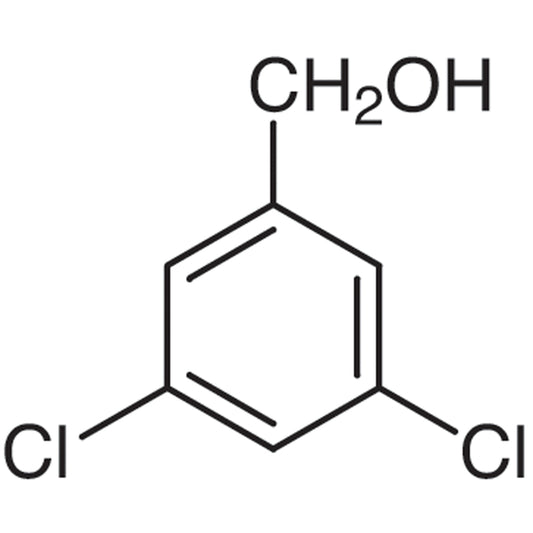
3,5-DichlorobenzylAlcohol TCI D3791
Regular price From Rp 689.850,00Regular price -
2,4-DichlorobenzylAlcohol TCI D1837
Regular price Rp 1.035.300,00Regular price -
3,4-DichlorobenzylAlcohol TCI D1748
Regular price Rp 1.988.700,00Regular price -
2,6-DichlorobenzylAlcohol TCI D1747
Regular price Rp 1.458.450,00Regular price -
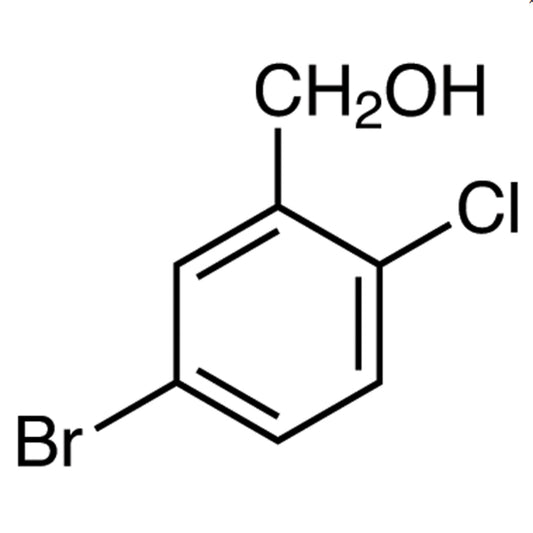
5-Bromo-2-chlorobenzylAlcohol TCI B3946
Regular price From Rp 743.400,00Regular price -
2,6-DichlorobenzylMethylEther TCI D2109
Regular price Rp 1.193.850,00Regular price -
3-ChlorobenzylAlcohol TCI C0650
Regular price Rp 1.510.950,00Regular price -
4-ChlorobenzylAlcohol TCI C0565
Regular price Rp 1.565.550,00Regular price