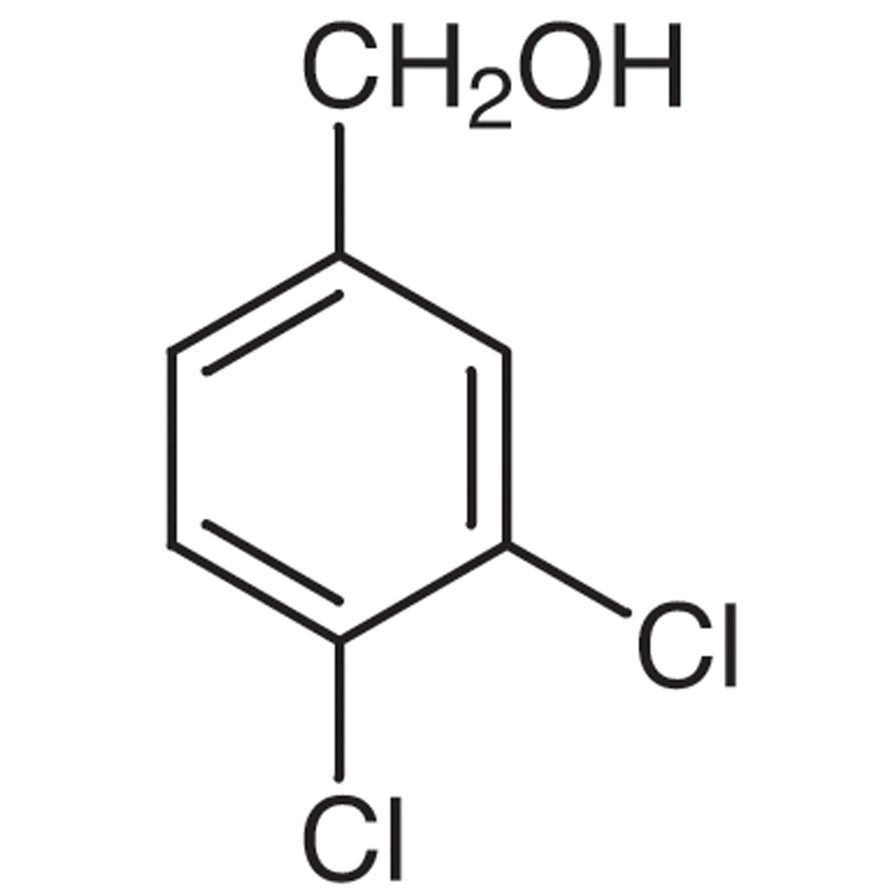
3,4-Dichlorobenzyl Alcohol is a chemical compound widely used in laboratory settings for the synthesis of complex organic compounds. As a building block in chemical reactions, it serves as a key intermediate in various synthetic pathways. This compound is commonly found in chemical laboratories as a foundational material for the creation of aromatic compounds. Its role is critical in enabling the development of new materials and pharmaceuticals through controlled chemical transformations.
The compound’s unique properties make it a preferred choice for chemists. Its molecular structure features two chlorine atoms on the aromatic ring, which significantly influence its reactivity. This reactivity allows it to participate in a variety of chemical reactions, including substitution, reduction, and nucleophilic reactions. The stability of its chemical structure ensures predictable behavior under different reaction conditions, making it a reliable component in synthetic processes.
In Indonesian laboratories, 3,4-Dichlorobenzyl Alcohol is frequently utilized in research activities, particularly in the fields of organic synthesis and chemical analysis. Its availability and chemical stability make it a popular choice for both academic and industrial research. It supports the development of new compounds and contributes to the advancement of chemical sciences in the region.
Related TCI products
- Pharmaceutical synthesis for the development of active pharmaceutical ingredients due to its reactivity and structural versatility.
- Organic chemistry research for the creation of complex aromatic compounds through controlled chemical transformations.
- Industrial chemical production as a precursor in the manufacturing of specialty chemicals and intermediates.
- Analytical chemistry applications for the identification and quantification of compounds in various sample matrices.
- Academic research in chemical education and experimental studies to demonstrate synthetic methodologies and reaction mechanisms.
| Brand | TCI |
|---|---|
| CAS number | 1805-32-9 |
| Molecular formula | — |
| Purity | — |
| Category | Chemistry > Building Blocks > Non-Heterocyclic Building Blocks |
| Pack sizes | Available in standard laboratory quantities as per supplier specifications |
| Physical form | Solid, crystalline appearance |
| Storage | Store in a cool, dry place away from direct sunlight and incompatible materials |
This compound should be stored in a cool, dry environment to maintain its chemical stability. It is recommended to use airtight containers to prevent exposure to moisture and air, which may affect its integrity. Due to its reactivity, it should be kept away from strong oxidizing agents and incompatible substances. Proper labeling and storage conditions are essential to ensure safety in the laboratory. Always handle with appropriate personal protective equipment, such as gloves and safety goggles, to minimize exposure risk. Regular monitoring of storage conditions will help preserve the compound’s effectiveness for research and synthesis applications.
—
Produk Terkait
-
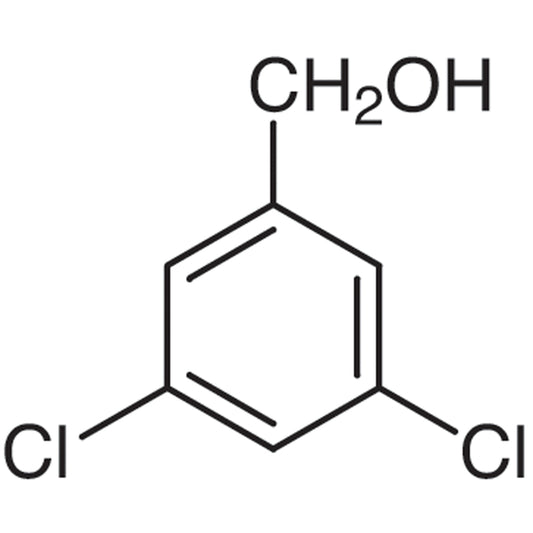
3,5-DichlorobenzylAlcohol TCI D3791
Regular price From Rp 689.850,00Regular price -
2,3-DichlorobenzylAlcohol TCI D2425
Regular price Rp 1.087.800,00Regular price -
2,4-DichlorobenzylAlcohol TCI D1837
Regular price Rp 1.035.300,00Regular price -
2,6-DichlorobenzylAlcohol TCI D1747
Regular price Rp 1.458.450,00Regular price -
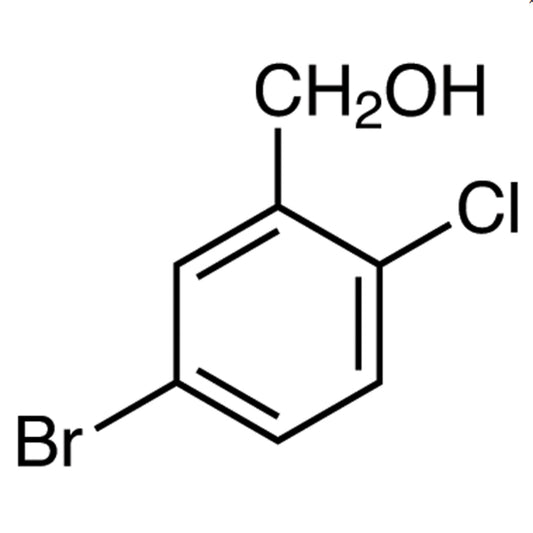
5-Bromo-2-chlorobenzylAlcohol TCI B3946
Regular price From Rp 743.400,00Regular price -
2,6-DichlorobenzylMethylEther TCI D2109
Regular price Rp 1.193.850,00Regular price -
3-ChlorobenzylAlcohol TCI C0650
Regular price Rp 1.510.950,00Regular price -
4-ChlorobenzylAlcohol TCI C0565
Regular price Rp 1.565.550,00Regular price