1,1-Dichloropinacolin is a chemical compound widely used as a building block in the synthesis of complex organic molecules. It serves as a fundamental component in various chemical reactions, particularly those involving chlorine substitution on molecular structures. In the laboratory, this compound plays a crucial role in the development of new compounds, especially in the fields of pharmacology and materials science. Its versatility and stability make it an essential tool for researchers seeking to create novel chemical entities with specific functional properties.
The compound is valued for its stable chemical properties and controlled reactivity, which allow it to be used in a wide range of experimental conditions. Its molecular structure is simple yet highly adaptable, enabling it to react efficiently with various reagents. The compound’s resistance to decomposition under different pH conditions makes it suitable for both acidic and basic environments. This adaptability enhances its utility in diverse synthetic pathways, making it a preferred choice for chemists working in both academic and industrial settings.
In Indonesian laboratories, 1,1-Dichloropinacolin is extensively used in both pure and applied chemical research. It is commonly found in academic institutions and research facilities where organic synthesis is a key focus. Its role in facilitating the creation of new compounds and its compatibility with various reaction conditions make it a popular material among researchers. Its consistent performance and reliability contribute to its widespread adoption in the chemical research community in Indonesia.
- Organic synthesis reactions benefit from 1,1-Dichloropinacolin due to its reactivity and structural flexibility, enabling the creation of complex molecules.
- Pharmaceutical research utilizes this compound as a building block for developing new drug compounds with targeted biological activities.
- Material science applications leverage its chemical stability to design new polymers and functional materials with specific properties.
- Analytical chemistry experiments use it as a standard reference for testing reaction mechanisms and reagent compatibility.
- Environmental studies incorporate it to investigate the behavior of chlorinated compounds in different chemical environments.
| Brand | TCI |
|---|---|
| CAS number | 22591-21-5 |
| Molecular formula | — |
| Purity | — |
| Category | Chemistry > Building Blocks > Non-Heterocyclic Building Blocks |
| Pack sizes | Available in various quantities as per standard laboratory supply |
| Physical form | Solid |
| Storage | Store in a cool, dry place away from light and incompatible substances |
1,1-Dichloropinacolin should be stored in a cool, dry location, away from direct sunlight and sources of heat. It is recommended to keep the compound in a tightly sealed container to prevent exposure to moisture and air. Due to its chemical nature, it should be stored separately from strong oxidizing agents and reactive materials to avoid potential hazards. In a laboratory setting, it is essential to handle the compound with appropriate personal protective equipment, such as gloves and safety goggles. Regular monitoring of storage conditions ensures the compound remains stable and safe for use. Proper labeling of containers is also crucial to prevent accidental misuse or contamination.
—
Produk Terkait
-
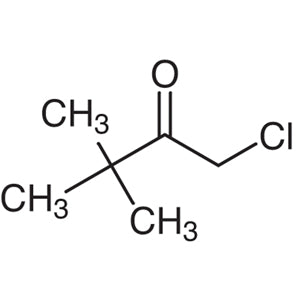
1-Chloropinacolin TCI C1335
Regular price From Rp 2.041.200,00Regular price -
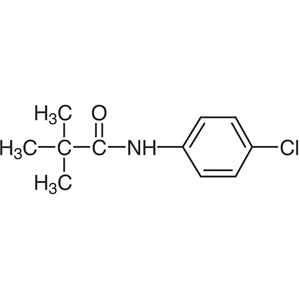
4'-Chloropivaloanilide TCI C2099
Regular price From Rp 1.988.700,00Regular price -
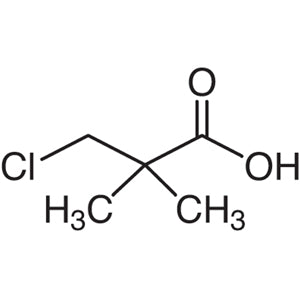
3-ChloropivalicAcid TCI C1554
Regular price Rp 4.293.450,00Regular price