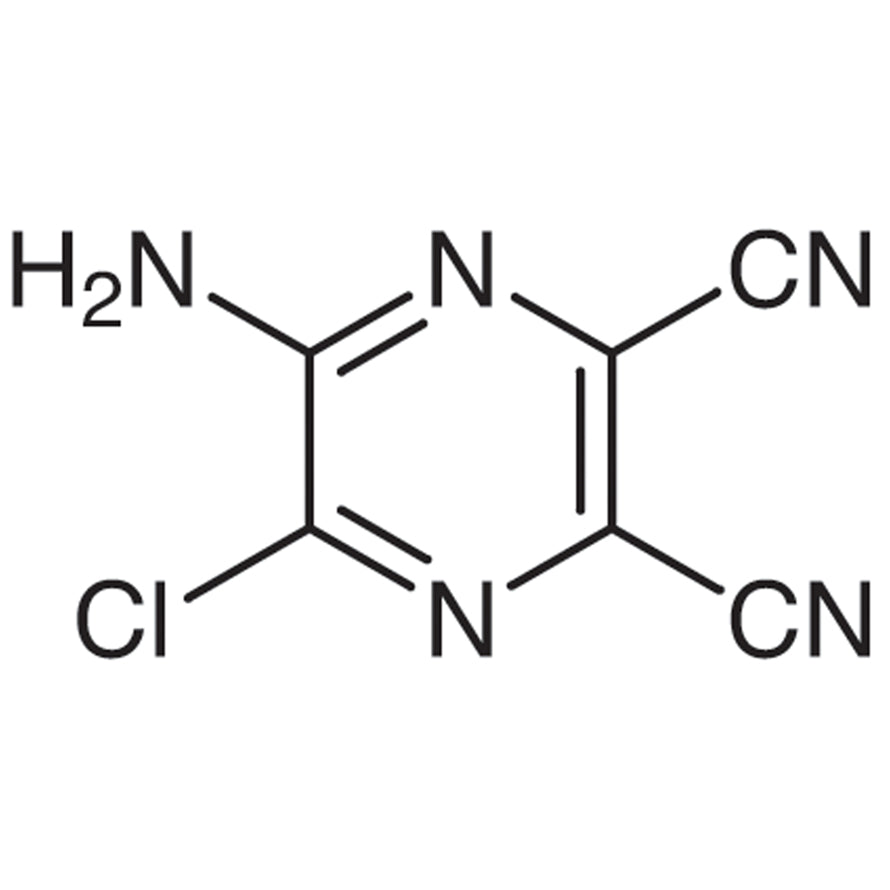
5-Amino-6-chloro-2,3-dicyanopyrazine is a chemical compound widely used in scientific research, particularly in the fields of organic chemistry and materials science. This compound serves as a fundamental building block for the synthesis of complex molecules with heterocyclic structures. In laboratory settings, it plays a crucial role in the development of materials with unique optical, electronic, or catalytic properties. Its molecular structure, which includes pyrazine and functional groups such as amino, chloro, and cyanide, makes it highly reactive and versatile for various chemical reactions.
The compound’s chemical properties, including its stability under specific conditions and high reactivity, make it a preferred choice for researchers. Its ability to participate in diverse chemical transformations allows for the creation of advanced materials with tailored functionalities. The presence of multiple functional groups enhances its compatibility with a wide range of synthetic methodologies, making it an essential tool in modern chemical research. Its reactivity and structural versatility contribute to its popularity among scientists working on innovative material development.
In Indonesian laboratories, this compound is commonly used by researchers in universities and research institutions. It supports the development of new materials, particularly in the fields of photovoltaics and chemical sensors. Its application in these areas highlights its importance in advancing scientific knowledge and technological innovation within the local scientific community.
Related TCI products
- TCI D2271 56413-95-7 5,6-Dichloro-2,3-dicyanopyrazine
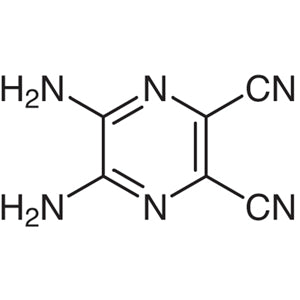
- TCI D2270 36023-58-2 5,6-Diamino-2,3-dicyanopyrazine
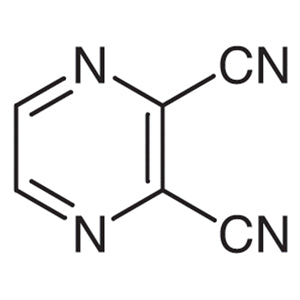
- TCI D1751 13481-25-9 2,3-Dicyanopyrazine
- TCI A1292 40953-34-2 2-Amino-4,5-dicyano-1H-imidazole
- TCI C4026 2413767-30-1 tert-Butyl [(3-Chloro-5,6-dicyanopyrazin-2-yl)oxy]carbamate
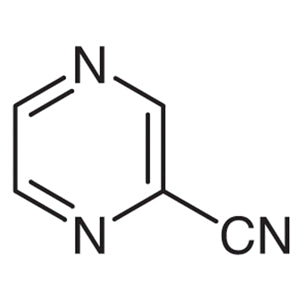
- TCI C1123 19847-12-2 Cyanopyrazine
- Used in the synthesis of heterocyclic compounds due to its reactive functional groups and structural versatility.
- Applied in the development of optoelectronic materials for their potential in photovoltaic and sensor technologies.
- Utilized in catalytic reactions to facilitate the formation of complex organic molecules with specific properties.
- Employed in material science research to create advanced materials with unique electronic and optical characteristics.
- Integrated into chemical synthesis processes for the production of compounds with tailored functionalities for various applications.
| Brand | TCI |
|---|---|
| CAS number | 56413-96-8 |
| Molecular formula | — |
| Purity | — |
| Category | Materials Science > Material Building Blocks > Phthalocyanine Building Blocks |
| Pack sizes | Available in standard laboratory quantities as per supplier specifications |
| Physical form | Solid, crystalline appearance |
| Storage | Store in a cool, dry place away from moisture and direct sunlight |
This compound should be stored in a cool, dry environment to maintain its chemical stability. It is recommended to keep it in a tightly sealed container to prevent exposure to moisture and air. Due to its reactivity, it should be handled in a well-ventilated laboratory setting with appropriate personal protective equipment. Avoid contact with incompatible substances to ensure safety during handling. Storage conditions should be controlled to prevent degradation and maintain the integrity of the material for research purposes. Proper labeling and storage practices are essential to ensure safe handling and use in laboratory environments.
—
Produk Terkait
-
5,6-Dichloro-2,3-dicyanopyrazine TCI D2271
Regular price From Rp 5.009.550,00Regular price -
5,6-Diamino-2,3-dicyanopyrazine TCI D2270
Regular price Rp 10.574.550,00Regular price -
2,3-Dicyanopyrazine TCI D1751
Regular price From Rp 1.829.100,00Regular price -
2-Amino-4,5-dicyano-1H-imidazole TCI A1292
Regular price Rp 3.870.300,00Regular price -
tert-Butyl[(3-Chloro-5,6-dicyanopyrazin-2-yl)oxy]carbamate TCI C4026
Regular price Rp 5.062.050,00Regular price -
Cyanopyrazine TCI C1123
Regular price From Rp 1.060.500,00Regular price -
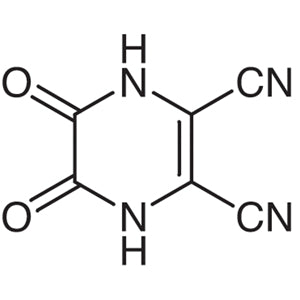
1,4,5,6-Tetrahydro-5,6-dioxo-2,3-pyrazinedicarbonitrile TCI T1472
Regular price Rp 2.704.800,00Regular price -
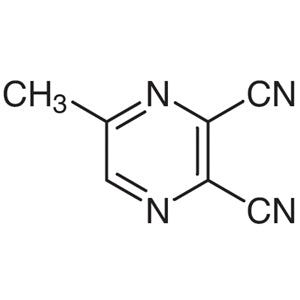
2,3-Dicyano-5-methylpyrazine TCI D2281
Regular price From Rp 4.293.450,00Regular price


![tert-Butyl [(3-Chloro-5,6-dicyanopyrazin-2-yl)oxy]carbamate (CAS 2413767-30-1) - TCI C4026 - AMI Scientific](http://amiscientific.com/cdn/shop/files/TCI2510C4026.jpg?v=1768204816&width=533)