4,4'-Di-tert-butylbiphenyl is a chemical compound widely used in laboratory settings for its structural versatility and chemical stability. As a building block in organic synthesis, it serves as a foundational element in the creation of more complex molecules. Its unique structure, featuring two tert-butyl groups attached to a biphenyl core, makes it valuable in both academic and industrial research. This compound is particularly useful in the development of new materials and the synthesis of aromatic and heterocyclic compounds. Its role in chemical experimentation is essential for researchers aiming to explore molecular design and functional group manipulation.
The compound’s non-polar nature and controlled reactivity make it a preferred choice for a variety of chemical processes. Its stable molecular structure ensures consistent performance in different reaction conditions, which is crucial for reproducibility in laboratory experiments. The presence of tert-butyl groups also contributes to its resistance to unwanted side reactions, making it a reliable reagent in synthetic pathways. These properties allow it to be used in a wide range of applications, from basic research to advanced material development, where precision and reliability are paramount.
In Indonesian laboratories, 4,4'-Di-tert-butylbiphenyl is commonly used in organic synthesis and material science research. Its availability and consistent performance make it a go-to compound for chemists working on new compound development and functional material creation. It is particularly favored in academic institutions and research centers focused on chemical innovation and industrial applications.
- Organic synthesis is a key application where this compound is used as a building block to construct complex molecules with specific functional groups.
- Material development benefits from its stable structure, enabling the creation of new polymers and advanced materials with tailored properties.
- Heterocyclic compound synthesis relies on its reactivity and structural compatibility, making it ideal for creating nitrogen- or oxygen-containing ring systems.
- Chemical research in academic settings utilizes its predictable behavior for studying reaction mechanisms and molecular interactions.
- Industrial chemical innovation leverages its reliability and availability to develop new products and improve existing formulations.
| Brand | TCI |
|---|---|
| CAS number | 1625-91-8 |
| Molecular formula | — |
| Purity | — |
| Category | Chemistry > Building Blocks > Non-Heterocyclic Building Blocks |
| Pack sizes | Available in various quantities as per supplier specifications |
| Physical form | Solid |
| Storage | Store in a cool, dry place away from light and heat sources |
This compound should be stored in a cool, dry environment, away from direct sunlight and sources of heat. It is recommended to keep it in a sealed container to prevent moisture absorption and contamination. Due to its non-polar nature, it is best stored in airtight glass or plastic containers that are resistant to chemical degradation. In laboratory settings, it should be handled with care to avoid exposure to air and moisture, which could affect its stability. Standard laboratory safety practices, such as using appropriate personal protective equipment, should be followed when handling this material. Proper storage ensures the compound remains effective and safe for use in chemical experiments.
—
Produk Terkait
-
4-Butylbiphenyl TCI B3888
Regular price From Rp 980.700,00Regular price -
4-tert-Butylbiphenyl TCI B1811
Regular price From Rp 2.889.600,00Regular price -
4-Pentylbiphenyl TCI P1133
Regular price From Rp 1.565.550,00Regular price -
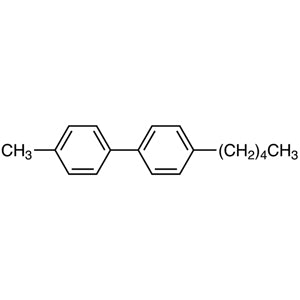
4'-Methyl-4-pentylbiphenyl TCI M2885
Regular price From Rp 1.510.950,00Regular price -
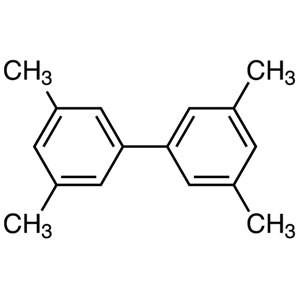
3,3',5,5'-Tetramethylbiphenyl TCI T2948
Regular price From Rp 2.597.700,00Regular price -
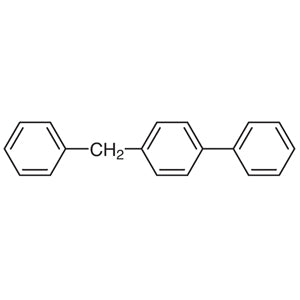
4-Benzylbiphenyl TCI B1519
Regular price From Rp 1.378.650,00Regular price -
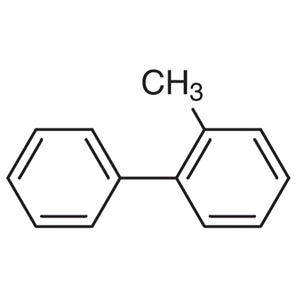
2-Methylbiphenyl TCI M1242
Regular price From Rp 1.405.950,00Regular price -
4-Methylbiphenyl TCI M0563
Regular price From Rp 1.060.500,00Regular price