Diethylene Glycol Bis(p-toluenesulfonate) is a chemical compound widely used in laboratory settings, particularly in organic synthesis. It serves as a versatile building block in the creation of complex organic molecules due to its ability to participate in various chemical reactions. This compound is commonly employed in research where high reactivity and molecular stability are required, making it an essential component in synthetic chemistry. Its role extends beyond simple reagents, as it can act as a coupling agent or functional group modifier in multi-step synthesis processes.
The compound’s chemical stability and solubility in organic solvents make it a preferred choice for laboratory use. Its ability to remain intact under a range of reaction conditions ensures consistent results and minimizes the risk of unwanted side reactions. Additionally, its compatibility with a wide array of functional groups allows for greater flexibility in synthetic strategies. These properties collectively contribute to its reliability and effectiveness in both academic and industrial research environments.
In Indonesian laboratories, Diethylene Glycol Bis(p-toluenesulfonate) is extensively used in chemical research, especially in the synthesis of organic compounds and material characterization. It is a common reagent in university research labs and industrial chemical facilities, supporting a variety of experimental needs. Its stability and solubility make it a valuable tool for chemists working on complex molecular structures and functional group modifications.
Related TCI products
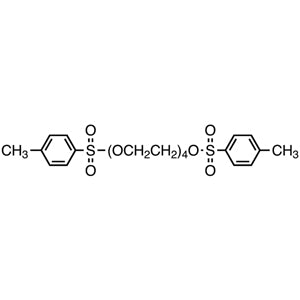
- TCI T1493 37860-51-8 Tetraethylene Glycol Bis(p-toluenesulfonate)
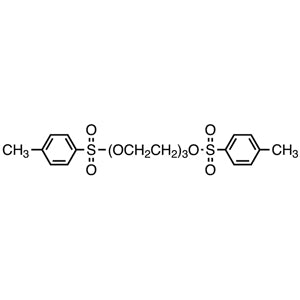
- TCI T1488 19249-03-7 Triethylene Glycol Bis(p-toluenesulfonate)
- TCI H1681 42749-27-9 Hexaethylene Glycol Di-p-toluenesulfonate
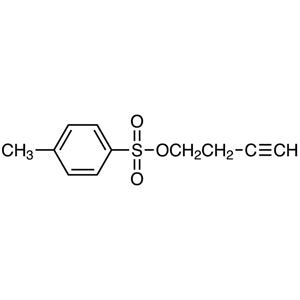
- TCI T2046 23418-85-1 3-Butynyl p-Toluenesulfonate
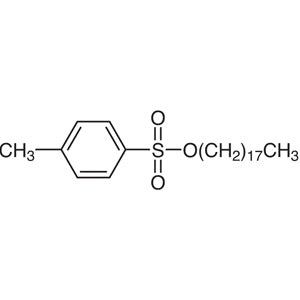
- TCI T1471 3386-32-1 Octadecyl p-Toluenesulfonate
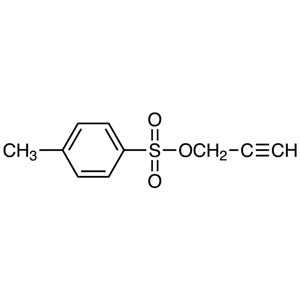
- TCI T1455 6165-76-0 Propargyl p-Toluenesulfonate
- Organic Synthesis: This compound is ideal for creating complex organic molecules due to its reactivity and stability, making it a key reagent in multi-step synthesis processes.
- Material Characterization: It is frequently used in the study of new materials, where its chemical properties aid in the analysis of molecular structures and interactions.
- Functional Group Modification: Its ability to interact with various functional groups makes it suitable for modifying existing compounds in synthetic chemistry applications.
- Coupling Reactions: It serves as an effective coupling agent in reactions that require the formation of stable bonds between different molecular entities.
- Research Protocols: Its consistent performance and reliability make it a preferred choice for standardizing experimental procedures in both academic and industrial settings.
| Brand | TCI |
|---|---|
| CAS number | 7460-82-4 |
| Molecular formula | — |
| Purity | — |
| Category | Chemistry > Building Blocks > Non-Heterocyclic Building Blocks |
| Pack sizes | Available in various quantities as per standard laboratory supply formats |
| Physical form | Solid (may vary depending on packaging) |
| Storage | Store in a cool, dry place away from direct sunlight and moisture |
This compound should be stored in a cool, dry environment to maintain its chemical stability and prevent degradation. It is recommended to use airtight containers to protect it from moisture and contaminants. Due to its chemical nature, it should be handled with care, using appropriate personal protective equipment such as gloves and safety goggles. It is important to ensure proper ventilation in the workspace to avoid inhalation of vapors. The compound should not be exposed to heat or direct sunlight, as this may affect its integrity. Regular inspection of storage conditions is advised to ensure optimal preservation and safety in the laboratory setting.
—
Produk Terkait
-
TetraethyleneGlycolBis(p-toluenesulfonate) TCI T1493
Regular price Rp 3.949.050,00Regular price -
TriethyleneGlycolBis(p-toluenesulfonate) TCI T1488
Regular price From Rp 1.167.600,00Regular price -
HexaethyleneGlycolDi-p-toluenesulfonate TCI H1681
Regular price From Rp 1.590.750,00Regular price -
3-Butynylp-Toluenesulfonate TCI T2046
Regular price Rp 2.068.500,00Regular price -
Octadecylp-Toluenesulfonate TCI T1471
Regular price Rp 3.100.650,00Regular price -
Propargylp-Toluenesulfonate TCI T1455
Regular price Rp 2.995.650,00Regular price -
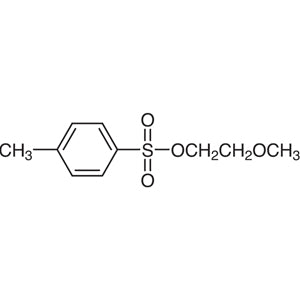
2-Methoxyethylp-Toluenesulfonate TCI T1303
Regular price From Rp 1.856.400,00Regular price -
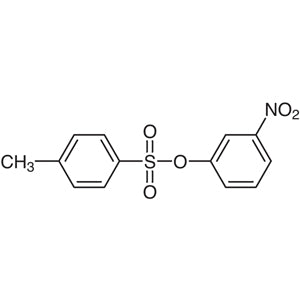
3-Nitrophenylp-Toluenesulfonate TCI T1210
Regular price Rp 4.611.600,00Regular price