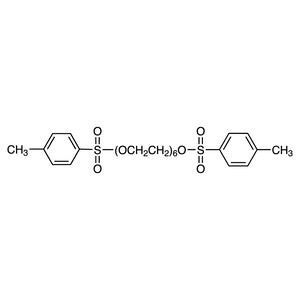
Hexaethylene Glycol Di-p-toluenesulfonate is a chemical compound widely used in laboratory settings for the synthesis of complex organic molecules. It serves as a building block in various chemical reactions, particularly in esterification processes and the formation of covalent bonds. This compound is essential for researchers aiming to modify molecular structures or create new chemical entities. Its versatility makes it a valuable resource in both academic and industrial research environments.
The compound’s stability and controlled reactivity make it a preferred choice for chemical synthesis. Its molecular structure, featuring a long ethylene glycol chain with sulfonate groups at both ends, contributes to its reactivity and functionality. This structure allows it to act as a reagent or cross-linking agent in chemical reactions. The compound’s resistance to degradation ensures it remains effective in long-term synthesis processes, making it ideal for applications requiring high stability.
In Indonesian laboratories, Hexaethylene Glycol Di-p-toluenesulfonate is commonly used in organic chemistry research, especially in higher education institutions and research centers. It is a fundamental component in the production of complex compounds and molecular modifications. Its widespread use highlights its importance in both teaching and applied research settings.
Related TCI products
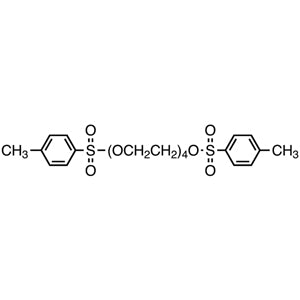
- TCI T1493 37860-51-8 Tetraethylene Glycol Bis(p-toluenesulfonate)
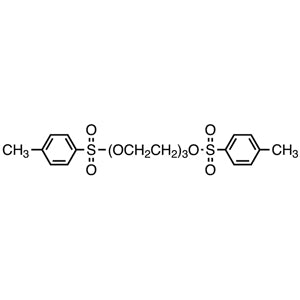
- TCI T1488 19249-03-7 Triethylene Glycol Bis(p-toluenesulfonate)
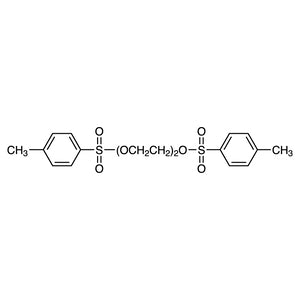
- TCI D2457 7460-82-4 Diethylene Glycol Bis(p-toluenesulfonate)
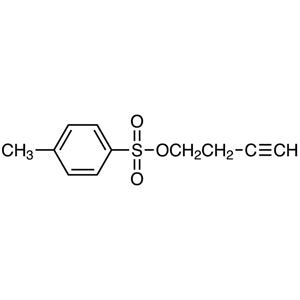
- TCI T2046 23418-85-1 3-Butynyl p-Toluenesulfonate
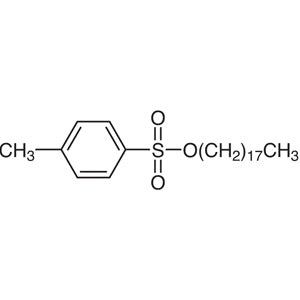
- TCI T1471 3386-32-1 Octadecyl p-Toluenesulfonate
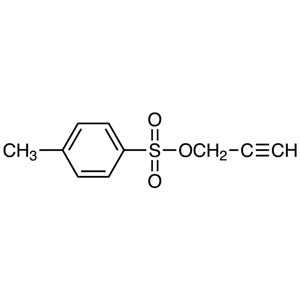
- TCI T1455 6165-76-0 Propargyl p-Toluenesulfonate
- Organic synthesis is a key application where this compound is used to create complex molecules through esterification and covalent bond formation.
- Cross-linking in polymer chemistry benefits from its molecular structure, enabling the formation of stable networks in synthetic polymers.
- Molecular modification in research labs utilizes its reactivity for altering existing compounds to achieve desired chemical properties.
- Teaching laboratories use it to demonstrate fundamental chemical reactions and structural modifications in organic chemistry courses.
- Industrial research applications rely on its stability and reactivity for developing new chemical products and materials.
| Brand | TCI |
|---|---|
| CAS number | 42749-27-9 |
| Molecular formula | — |
| Purity | — |
| Category | Chemistry > Building Blocks > Non-Heterocyclic Building Blocks |
| Pack sizes | 500g, 1kg |
| Physical form | White crystalline solid |
| Storage | Store in a cool, dry place away from moisture and direct sunlight |
Hexaethylene Glycol Di-p-toluenesulfonate should be stored in a cool, dry environment to maintain its stability and prevent degradation. It is recommended to keep it in a sealed container to avoid exposure to moisture, which could affect its chemical integrity. Due to its potential reactivity, it should be handled in a well-ventilated area, and appropriate personal protective equipment should be worn. Avoid contact with skin and eyes, and ensure that spillage is contained and cleaned promptly. The compound is non-hazardous under normal storage conditions but should be treated with care to ensure safe laboratory practices.
—
Produk Terkait
-
TetraethyleneGlycolBis(p-toluenesulfonate) TCI T1493
Regular price Rp 3.949.050,00Regular price -
TriethyleneGlycolBis(p-toluenesulfonate) TCI T1488
Regular price From Rp 1.167.600,00Regular price -
DiethyleneGlycolBis(p-toluenesulfonate) TCI D2457
Regular price From Rp 717.150,00Regular price -
3-Butynylp-Toluenesulfonate TCI T2046
Regular price Rp 2.068.500,00Regular price -
Octadecylp-Toluenesulfonate TCI T1471
Regular price Rp 3.100.650,00Regular price -
Propargylp-Toluenesulfonate TCI T1455
Regular price Rp 2.995.650,00Regular price -
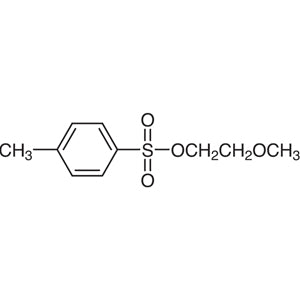
2-Methoxyethylp-Toluenesulfonate TCI T1303
Regular price From Rp 1.856.400,00Regular price -
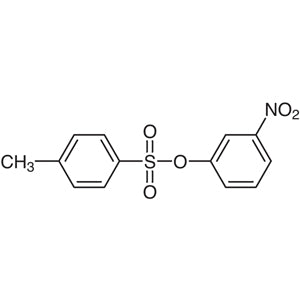
3-Nitrophenylp-Toluenesulfonate TCI T1210
Regular price Rp 4.611.600,00Regular price