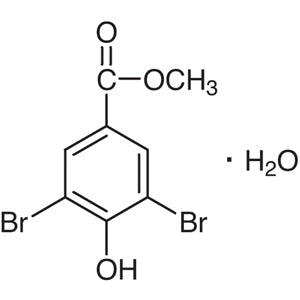
Methyl 3,5-Dibromo-4-hydroxybenzoate Monohydrate is a chemical compound widely used in laboratory settings for its versatile applications in organic synthesis and chemical experimentation. This compound serves as a building block in the development of more complex molecules, making it an essential component in the toolkit of chemists and researchers. Its molecular structure, featuring bromo and hydroxyl groups, contributes to its reactivity and utility in various chemical transformations. Due to its stability and predictable behavior, it is frequently employed in synthetic pathways that require controlled chemical reactions.
The compound’s chemical stability and reactivity make it a preferred choice for laboratory use. Its monohydrate form enhances its solubility and ease of handling, which is particularly beneficial in laboratory-scale operations. The presence of functional groups allows it to participate in a range of reactions, including substitution, coupling, and structural modification. These characteristics make it a reliable and effective reagent for both academic and industrial research, especially in the development of pharmaceutical and chemical compounds.
In Indonesian laboratories, this compound is commonly used in both fundamental and applied chemical research. It is a key reagent in educational institutions and research centers, supporting experiments in organic chemistry, medicinal chemistry, and materials science. Its availability and reliability make it a go-to material for researchers seeking to explore new chemical pathways and synthesize novel compounds.
Related TCI products
- TCI A3639 63435-16-5 Methyl 4-Amino-3-hydroxybenzoate
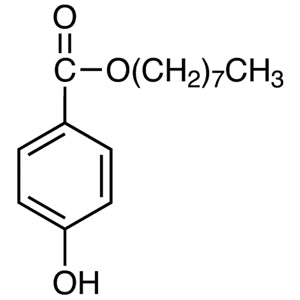
- TCI O0443 1219-38-1 n-Octyl 4-Hydroxybenzoate
- TCI M3513 3964-57-6 Methyl 3-Chloro-4-hydroxybenzoate
- TCI M3498 536-25-4 Methyl 3-Amino-4-hydroxybenzoate
- TCI M2796 1882-72-0 Methyl 2-Amino-5-hydroxybenzoate
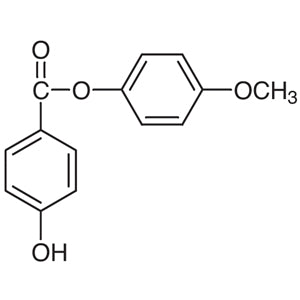
- TCI H0825 50687-62-2 4-Methoxyphenyl 4-Hydroxybenzoate
- Organic synthesis experiments benefit from this compound due to its reactivity and ability to participate in substitution reactions, making it ideal for creating complex molecular structures.
- Pharmaceutical research often utilizes this compound as a starting material for the synthesis of various drug compounds, leveraging its functional groups for chemical modifications.
- Educational institutions use it in teaching laboratories to demonstrate chemical reactions and molecular transformations, providing students with hands-on experience in synthetic chemistry.
- Industrial chemical processes incorporate this compound for the production of specialty chemicals, taking advantage of its stability and reactivity in controlled environments.
- Environmental studies may use this compound to analyze the behavior of brominated compounds in various chemical systems, aiding in the understanding of environmental chemistry.
| Brand | TCI |
|---|---|
| CAS number | 41727-47-3 |
| Molecular formula | — |
| Purity | — |
| Category | Chemistry > Building Blocks > Non-Heterocyclic Building Blocks |
| Pack sizes | Available in various quantities suitable for laboratory use |
| Physical form | Solid in monohydrate form |
| Storage | Store in a cool, dry place away from direct sunlight |
This compound should be stored in a cool, dry environment to maintain its chemical stability and prevent degradation. It is recommended to keep it in a sealed container to avoid moisture absorption, as it is a monohydrate. Proper ventilation is essential when handling the compound to minimize exposure to vapors. Due to its relatively low reactivity, it is generally safe to handle with standard laboratory precautions, but gloves and protective eyewear should be worn when working with it. Avoid contact with incompatible substances, and ensure that storage conditions are consistent with general chemical safety practices.
—
Produk Terkait
-
Methyl4-Amino-3-hydroxybenzoate TCI A3639
Regular price From Rp 2.041.200,00Regular price -
n-Octyl4-Hydroxybenzoate TCI O0443
Regular price Rp 1.724.100,00Regular price -
Methyl3-Chloro-4-hydroxybenzoate TCI M3513
Regular price From Rp 1.458.450,00Regular price -
Methyl3-Amino-4-hydroxybenzoate TCI M3498
Regular price From Rp 1.378.650,00Regular price -
Methyl2-Amino-5-hydroxybenzoate TCI M2796
Regular price From Rp 717.150,00Regular price -
4-Methoxyphenyl4-Hydroxybenzoate TCI H0825
Regular price From Rp 4.531.800,00Regular price -
2-Hydroxyethyl4-Hydroxybenzoate TCI H0698
Regular price Rp 1.829.100,00Regular price -
2-Ethylhexyl4-Hydroxybenzoate TCI H0506
Regular price From Rp 823.200,00Regular price