


The TCI D2520 (R,R)-N,N'-Bis(trifluoromethanesulfonyl)-1,2-diphenylethylenediamine is a specialized chemical compound used in complex chemical reactions, particularly in the synthesis of high-reactivity organic compounds. This compound plays a crucial role in laboratory settings as a reagent or catalyst, depending on the experimental requirements. Its unique structure and functional groups make it suitable for a wide range of synthetic applications, supporting advanced research in organic chemistry. Due to its chemical stability and reactivity, it is a valuable tool for researchers aiming to develop new compounds with specific properties.
This compound is preferred for its high reactivity and structural complexity, which allows it to participate effectively in various chemical transformations. The presence of two trifluoromethanesulfonyl groups attached to a diphenylethylenediamine backbone provides it with enhanced electrophilic substitution capabilities. These properties make it ideal for applications requiring precise control over reaction mechanisms and outcomes. Its ability to act as both a reagent and a catalyst increases its versatility in synthetic pathways, making it a preferred choice for researchers working on complex molecular designs.
In Indonesian laboratories, this compound is commonly used in organic chemistry research, particularly in the development of new compounds with applications in pharmaceuticals, materials science, and environmental studies. Its use is prevalent in projects that require high precision and controlled reaction conditions. Researchers in Indonesia rely on this compound for its reliability and effectiveness in achieving desired chemical outcomes in their experiments.
TCI brochures (PDF)
- Chiral Ligands 2024-12-13 · p. 2
- Asymmetric Synthesis 2026-03-18 · p. 6
- Ligands 2025-12-01 · p. 3
Related TCI products
- TCI D3930 951-87-1 meso-1,2-Diphenylethylenediamine
- TCI D2519 16635-95-3 (+/-)-1,2-Diphenylethylenediamine
- TCI D2176 35132-20-8 (1R,2R)-(+)-1,2-Diphenylethylenediamine
- TCI D2175 29841-69-8 (1S,2S)-(-)-1,2-Diphenylethylenediamine
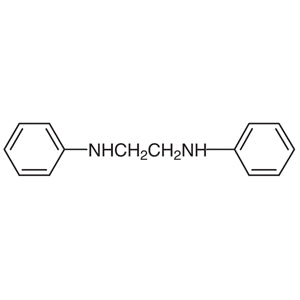
- TCI D0887 150-61-8 N,N'-Diphenylethylenediamine
- TCI T3322 890042-13-4 4,4,5,5-Tetramethyl-2-(triphenylen-2-yl)-1,3,2-dioxaborolane
- Organic synthesis applications benefit from this compound's reactivity and ability to participate in electrophilic substitution reactions.
- Catalytic processes in synthetic pathways utilize its structural complexity for enhanced reaction efficiency and selectivity.
- Pharmaceutical research leverages its chemical properties to develop new drug compounds with targeted molecular structures.
- Material science experiments use it to create advanced polymers and functional materials with specific chemical characteristics.
- Environmental studies incorporate it in the synthesis of compounds used for pollution control and remediation processes.
| Brand | TCI |
|---|---|
| CAS number | 121788-73-6 |
| Molecular formula | — |
| Purity | — |
| Category | TCI |
| Pack sizes | Available in various quantities based on laboratory needs |
| Physical form | Solid powder |
| Storage | Store in a cool, dry place away from moisture and direct sunlight |
This compound should be stored in a cool, dry environment to maintain its chemical integrity and prevent degradation. It is recommended to use airtight containers to protect it from moisture and contaminants. Due to its chemical reactivity, it should be handled with appropriate personal protective equipment, including gloves and safety goggles. Storage should be in a well-ventilated area to minimize exposure to fumes. Avoid direct contact with skin or inhalation of vapors. Always follow standard laboratory safety protocols when working with this compound to ensure a safe and controlled environment.
—
Produk Terkait
-
meso-1,2-Diphenylethylenediamine TCI D3930
Regular price From Rp 1.908.900,00Regular price -
(+/-)-1,2-Diphenylethylenediamine TCI D2519
Regular price Rp 5.300.400,00Regular price -
(1R,2R)-(+)-1,2-Diphenylethylenediamine TCI D2176
Regular price From Rp 1.405.950,00Regular price -
(1S,2S)-(-)-1,2-Diphenylethylenediamine TCI D2175
Regular price From Rp 1.035.300,00Regular price -
N,N'-Diphenylethylenediamine TCI D0887
Regular price Rp 2.359.350,00Regular price -
4,4,5,5-Tetramethyl-2-(triphenylen-2-yl)-1,3,2-dioxaborolane TCI T3322
Regular price From Rp 3.949.050,00Regular price -
Triphenylene(purifiedbysublimation) TCI T3267
Regular price From Rp 3.367.350,00Regular price -
4,4,5,5-Tetramethyl-2-[3-(triphenylen-2-yl)phenyl]-1,3,2-dioxaborolane TCI T3261
Regular price From Rp 2.041.200,00Regular price




![TCI T3261 1115639-92-3 4,4,5,5-Tetramethyl-2-[3-(triphenylen-2-yl)phenyl]-1,3,2-dioxaborolane — struktur kimia](http://amiscientific.com/cdn/shop/files/TCI2510T3261-struktur.jpg?v=1791525380&width=533)