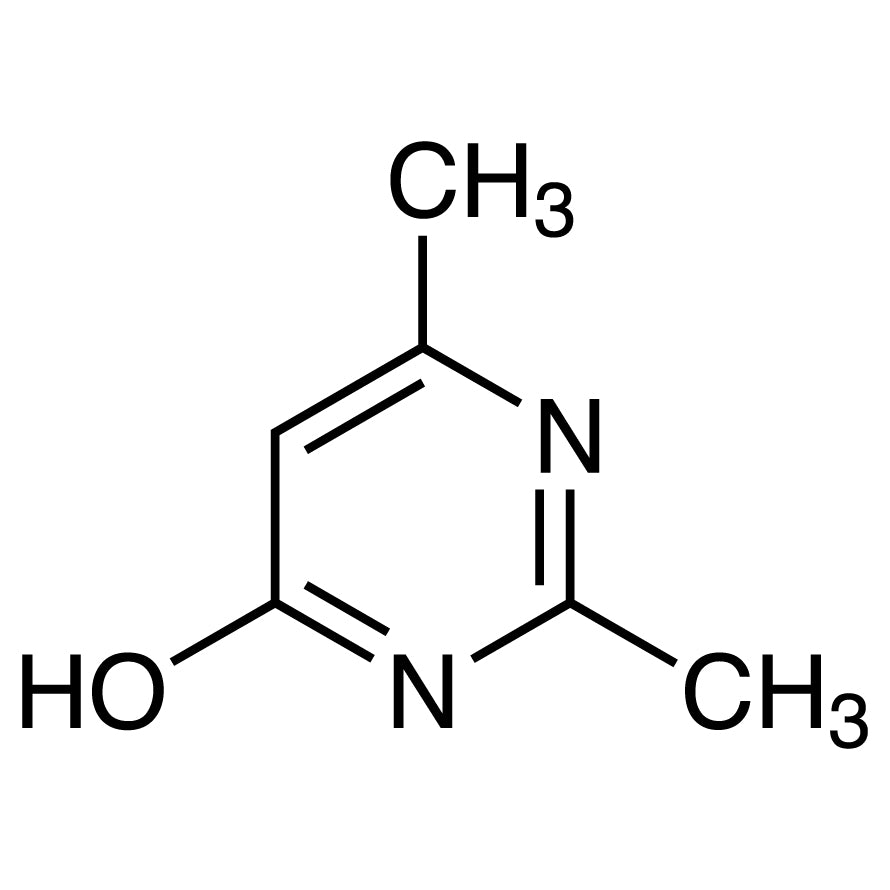
TCI D2579 2,4-Dimethyl-6-hydroxypyrimidine is a heterocyclic building block from the pyrimidine family, a six-membered aromatic ring containing two nitrogen atoms. The compound carries two methyl groups and one hydroxyl group, and as is typical of hydroxypyrimidines, it can exist in a tautomeric equilibrium between the hydroxy form and the oxo form. In the laboratory, this material serves as a starting material for constructing substituted pyrimidine derivatives, a class of compounds of considerable importance because the pyrimidine scaffold forms the core of nucleotide bases as well as many drug molecules and agricultural active ingredients.
The characteristic that makes this compound a preferred choice is the ease with which it can be derivatised. The hydroxyl or oxo group on the ring can be converted into a chloride group using chlorinating reagents, producing a chlorinated pyrimidine that is highly reactive toward nucleophilic aromatic substitution as well as cross-coupling reactions. In this way, a single simple starting material can be directed toward a wide range of derivatives bearing amino, alkoxy, or aryl groups. The two methyl groups themselves contribute electronic and steric effects that direct reactivity, and under certain conditions they can be further functionalised.
In Indonesian laboratories, this building block is typically used in synthetic organic chemistry groups at universities and research institutes, in medicinal chemistry programmes exploring pyrimidine-based scaffolds, and in agrochemical research where pyrimidine cores appear frequently. It is also useful in method development work, where a well-defined heterocyclic substrate is needed to test chlorination, substitution, or coupling protocols before those procedures are applied to more valuable or more elaborate intermediates.
Related TCI products
- TCI D2427 108-79-2 4,6-Dimethyl-2-hydroxypyrimidine
- TCI D1823 34289-60-6 4,6-Dimethyl-2-hydroxypyrimidine Hydrochloride
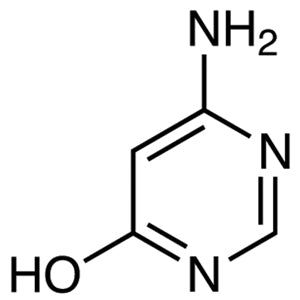
- TCI A2439 1193-22-2 4-Amino-6-hydroxypyrimidine
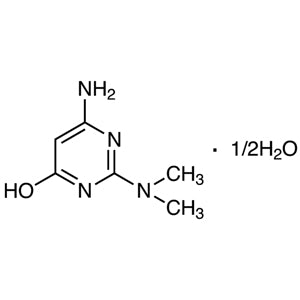
- TCI A1469 76750-84-0 4-Amino-2-dimethylamino-6-hydroxypyrimidine Hemihydrate
- TCI A1099 56-09-7 2-Amino-4,6-dihydroxypyrimidine
- TCI T0335 35011-47-3 2,4,5-Triamino-6-hydroxypyrimidine Sulfate
- Synthesis of substituted pyrimidine derivatives: the ring offers a defined substitution pattern that allows chemists to build targeted analogues from a single, readily handled starting material.
- Preparation of chlorinated pyrimidine intermediates: treatment with chlorinating reagents converts the hydroxy/oxo position into a chloride that is highly activated for downstream transformations.
- Nucleophilic aromatic substitution studies: the chlorinated derivative reacts cleanly with amine, alkoxide, and other nucleophiles, giving access to amino- and alkoxy-substituted pyrimidines.
- Cross-coupling reaction development: the halogenated derivative serves as a coupling partner for introducing aryl groups onto the pyrimidine ring in methodology work.
- Medicinal and agrochemical research intermediates: because pyrimidine cores appear in nucleotide bases, drug molecules, and crop-protection actives, this scaffold supports exploratory synthesis in both fields.
| Brand | TCI |
|---|---|
| CAS number | 6622-92-0 |
| Molecular formula | — |
| Purity | — |
| Category | Chemistry > Building Blocks > Heterocyclic Building Blocks |
| Pack sizes | available in standard TCI research pack sizes; please confirm the currently listed options when ordering |
| Physical form | — |
| Storage | keep in a tightly closed container in a cool, dry, well-ventilated place |
- Chemical name: 2,4-Dimethyl-6-hydroxypyrimidine
- Catalogue code: D2579
Store the material in its original tightly closed container in a cool, dry, and well-ventilated area, away from direct sunlight, heat sources, moisture, and incompatible substances. Glass bottles with well-sealing caps are suitable for storing and dispensing this solid; keep the container closed when not in use to limit exposure to atmospheric moisture. Handle the compound in a fume hood using standard laboratory personal protective equipment, including safety glasses, a laboratory coat, and chemically resistant gloves, and avoid the generation and inhalation of dust during weighing and transfer. Use clean, dry spatulas to prevent contamination of the bulk material, label all secondary containers clearly, and consult the manufacturer's Safety Data Sheet before use for the full hazard, first-aid, and disposal information applicable to your laboratory.
—
Produk Terkait
-
4,6-Dimethyl-2-hydroxypyrimidine TCI D2427
Regular price From Rp 1.565.550,00Regular price -
4,6-Dimethyl-2-hydroxypyrimidineHydrochloride TCI D1823
Regular price From Rp 795.900,00Regular price -
4-Amino-6-hydroxypyrimidine TCI A2439
Regular price From Rp 769.650,00Regular price -
4-Amino-2-dimethylamino-6-hydroxypyrimidineHemihydrate TCI A1469
Regular price Rp 2.518.950,00Regular price -
2-Amino-4,6-dihydroxypyrimidine TCI A1099
Regular price Rp 1.035.300,00Regular price -
2,4,5-Triamino-6-hydroxypyrimidineSulfate TCI T0335
Regular price Rp 1.510.950,00Regular price -
2-HydroxypyrimidineHydrochloride TCI H0480
Regular price From Rp 477.750,00Regular price -
Ethyl2-Amino-4-hydroxypyrimidine-5-carboxylate TCI E1247
Regular price From Rp 1.035.300,00Regular price