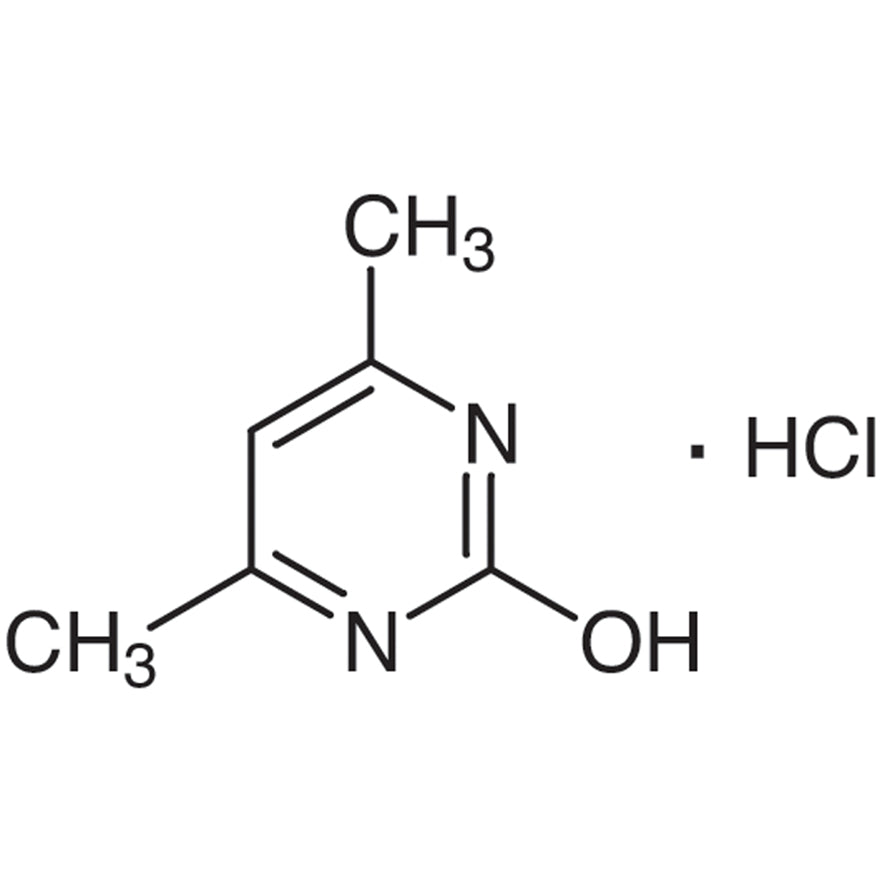
4,6-Dimethyl-2-hydroxypyrimidine Hydrochloride is a chemical compound widely used in organic synthesis reactions, particularly in the formation of heterocyclic compounds. As a key building block in chemical research, it plays a crucial role in the development of complex molecules with heterocyclic structures. This compound is essential for chemists seeking to expand the functional capabilities of other substances that may lack the necessary properties or reactivity. Its versatility makes it a valuable tool in both academic and industrial laboratory settings, supporting a wide range of synthetic strategies.
The chemical properties and molecular structure of 4,6-Dimethyl-2-hydroxypyrimidine Hydrochloride make it an ideal choice for substitution and condensation reactions. It exhibits good solubility in organic solvents, facilitating efficient separation and utilization in chemical processes. Additionally, its high chemical stability allows it to be used under various reaction conditions, enhancing its applicability in different experimental scenarios. These characteristics contribute to its popularity as a fundamental reagent in chemical research and development.
In Indonesian laboratories, 4,6-Dimethyl-2-hydroxypyrimidine Hydrochloride is commonly used in pharmaceutical research, industrial chemical production, and scientific studies. Its role as a building block enables researchers to synthesize new compounds with specific properties, supporting innovation in both academic and applied chemistry. The compound is frequently employed in projects aimed at developing new drugs, materials, and chemical processes, making it a staple in modern laboratory practices.
Related TCI products
- TCI D2579 6622-92-0 2,4-Dimethyl-6-hydroxypyrimidine
- TCI D2427 108-79-2 4,6-Dimethyl-2-hydroxypyrimidine
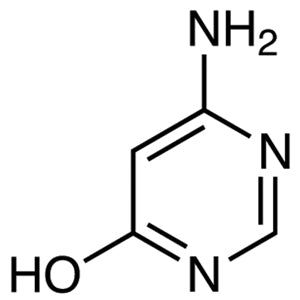
- TCI A2439 1193-22-2 4-Amino-6-hydroxypyrimidine
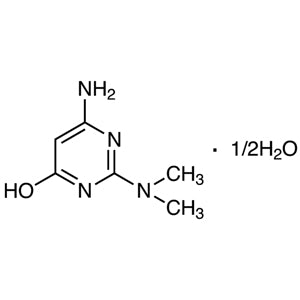
- TCI A1469 76750-84-0 4-Amino-2-dimethylamino-6-hydroxypyrimidine Hemihydrate
- TCI A1099 56-09-7 2-Amino-4,6-dihydroxypyrimidine
- TCI T0335 35011-47-3 2,4,5-Triamino-6-hydroxypyrimidine Sulfate
- Organic synthesis reactions benefit from this compound due to its role in forming heterocyclic structures, which are essential in pharmaceutical and industrial chemistry.
- Pharmaceutical research utilizes this material to develop new drug compounds, as its molecular structure supports the creation of complex active ingredients.
- Industrial chemical production relies on this compound for the synthesis of various chemical intermediates, contributing to the manufacturing of specialty chemicals.
- Scientific studies in academic institutions use this reagent to explore new synthetic pathways and understand molecular behavior in different reaction conditions.
- Research into material science incorporates this compound to create novel materials with specific functional properties, expanding the scope of chemical innovation.
| Brand | TCI |
|---|---|
| CAS number | 34289-60-6 |
| Molecular formula | — |
| Purity | — |
| Category | Chemistry > Building Blocks > Heterocyclic Building Blocks |
| Pack sizes | Available in various quantities as per supplier specifications |
| Physical form | Solid powder |
| Storage | Store in a cool, dry place away from moisture and direct sunlight |
This compound should be stored in a cool, dry environment to maintain its chemical stability and prevent degradation. It is recommended to use airtight containers to protect it from moisture and contaminants. Since it is a solid powder, it should be handled with care to avoid inhalation or skin contact. In laboratory settings, proper personal protective equipment such as gloves and safety goggles should be worn when handling this material. It is important to ensure good ventilation in the workspace to minimize exposure. Always follow standard laboratory safety protocols when working with chemical compounds to ensure a safe and controlled environment.
—
Produk Terkait
-
2,4-Dimethyl-6-hydroxypyrimidine TCI D2579
Regular price From Rp 689.850,00Regular price -
4,6-Dimethyl-2-hydroxypyrimidine TCI D2427
Regular price From Rp 1.565.550,00Regular price -
4-Amino-6-hydroxypyrimidine TCI A2439
Regular price From Rp 769.650,00Regular price -
4-Amino-2-dimethylamino-6-hydroxypyrimidineHemihydrate TCI A1469
Regular price Rp 2.518.950,00Regular price -
2-Amino-4,6-dihydroxypyrimidine TCI A1099
Regular price Rp 1.035.300,00Regular price -
2,4,5-Triamino-6-hydroxypyrimidineSulfate TCI T0335
Regular price Rp 1.510.950,00Regular price -
2-HydroxypyrimidineHydrochloride TCI H0480
Regular price From Rp 477.750,00Regular price -
Ethyl2-Amino-4-hydroxypyrimidine-5-carboxylate TCI E1247
Regular price From Rp 1.035.300,00Regular price