2,4,5-Triamino-6-hydroxypyrimidine Sulfate is a chemical compound widely used in laboratory settings for its versatility in organic synthesis and chemical reactions. This compound plays a crucial role in the development of complex molecules, particularly in research involving heterocyclic structures. Its unique molecular framework makes it a valuable building block for chemists seeking to create new compounds with specific functional groups. Due to its reactivity and chemical stability, it is frequently used in both academic and industrial research environments.
One of the key properties that make this compound a preferred choice is its high solubility in water, which facilitates its use in aqueous-based reactions. Additionally, its ability to participate in substitution and reduction reactions enhances its applicability in a wide range of synthetic pathways. The compound’s chemical stability ensures that it remains effective under various reaction conditions, making it a reliable reagent for laboratory work. Its reactivity also allows it to be used in different experimental setups, from basic research to more advanced chemical synthesis.
In Indonesian laboratories, 2,4,5-Triamino-6-hydroxypyrimidine Sulfate is commonly utilized by chemists and researchers in the fields of pharmaceuticals, materials science, and analytical chemistry. Its availability through reliable suppliers like AMI Scientific ensures that researchers have access to this essential compound for their experiments. The compound’s role in developing new compounds and testing chemical reactions makes it an important resource for scientific innovation in the region.
Related TCI products
- TCI T1705 1006-23-1 2,4,6-Triamino-5-nitrosopyrimidine
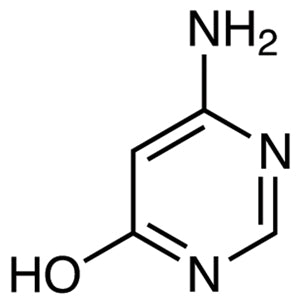
- TCI A2439 1193-22-2 4-Amino-6-hydroxypyrimidine
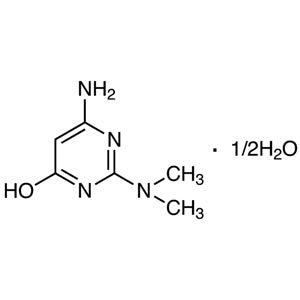
- TCI A1469 76750-84-0 4-Amino-2-dimethylamino-6-hydroxypyrimidine Hemihydrate
- TCI A1099 56-09-7 2-Amino-4,6-dihydroxypyrimidine
- TCI H0480 38353-09-2 2-Hydroxypyrimidine Hydrochloride
- TCI E1247 15400-53-0 Ethyl 2-Amino-4-hydroxypyrimidine-5-carboxylate
- Organic synthesis applications benefit from this compound's reactivity and ability to participate in substitution and reduction reactions, making it ideal for creating complex molecular structures.
- Pharmaceutical research utilizes this compound as a building block for synthesizing new drug candidates due to its versatile functional groups and chemical stability.
- Material science experiments often use this compound to develop new polymers and functional materials through controlled chemical reactions.
- Analytical chemistry laboratories rely on this compound for its solubility and reactivity, which aid in the development of new analytical methods and reagents.
- Chemical research in Indonesia frequently incorporates this compound to explore novel synthetic pathways and improve existing chemical processes.
| Brand | TCI |
|---|---|
| CAS number | 35011-47-3 |
| Molecular formula | — |
| Purity | — |
| Category | Chemistry > Building Blocks > Heterocyclic Building Blocks |
| Pack sizes | Available in various quantities as per supplier specifications |
| Physical form | Solid powder |
| Storage | Store in a cool, dry place away from moisture and direct sunlight |
This compound should be stored in a cool, dry place, away from moisture and direct sunlight to maintain its chemical integrity. It is recommended to use airtight containers to prevent exposure to humidity and contaminants. Due to its reactivity, it should be handled with care, using appropriate personal protective equipment such as gloves and safety goggles. In laboratory settings, it should be stored separately from incompatible substances to avoid any potential chemical interactions. Proper labeling of storage containers is essential to ensure safe handling and prevent accidental exposure. The compound is not classified as hazardous under standard safety classifications, but standard laboratory safety protocols should still be followed when working with it.
—
Produk Terkait
-
2,4,6-Triamino-5-nitrosopyrimidine TCI T1705
Regular price From Rp 1.060.500,00Regular priceRp 757.050,00Sale price From Rp 1.060.500,00 -
4-Amino-6-hydroxypyrimidine TCI A2439
Regular price From Rp 822.150,00Regular priceRp 590.100,00Sale price From Rp 822.150,00 -
4-Amino-2-dimethylamino-6-hydroxypyrimidineHemihydrate TCI A1469
Regular price Rp 2.571.450,00Regular priceRp 1.813.350,00Sale price Rp 2.571.450,00 -
2-Amino-4,6-dihydroxypyrimidine TCI A1099
Regular price Rp 1.087.800,00Regular priceRp 775.950,00Sale price Rp 1.087.800,00 -
2-HydroxypyrimidineHydrochloride TCI H0480
Regular price From Rp 530.250,00Regular priceRp 386.400,00Sale price From Rp 530.250,00 -
Ethyl2-Amino-4-hydroxypyrimidine-5-carboxylate TCI E1247
Regular price From Rp 1.087.800,00Regular priceRp 775.950,00Sale price From Rp 1.087.800,00 -
4,5-Diamino-6-hydroxypyrimidine TCI D4488
Regular price From Rp 717.150,00Regular priceRp 516.600,00Sale price From Rp 717.150,00 -
2,5-Diamino-4,6-dihydroxypyrimidineHydrochloride TCI D2634
Regular price Rp 1.087.800,00Regular priceRp 775.950,00Sale price Rp 1.087.800,00