TCI D2617 1,3-Diacetylbenzene is an aromatic compound carrying two acetyl groups at the meta positions of the benzene ring. This symmetrical structure, with its two ketone centres, makes it a versatile starting material for building branched molecules, multidentate ligands, and polymer chains. In organic synthesis laboratories, difunctional compounds of this kind are highly valued because a single molecule can react at two sites at once, making it easier to assemble large molecular frameworks, macrocyclic systems, and cross-linked networks in only a few comparatively simple and efficient reaction steps.
The property that makes it a frequent choice is the characteristic reactivity of aromatic ketone groups, which is both directed and dependable. Both acetyl groups are ready to undergo aldol condensation, Claisen–Schmidt condensation to form chalcones, reaction with hydrazine or hydroxylamine to give hydrazones and oximes, and reduction to secondary alcohols. The meta placement provides a particular angular geometry that is useful for designing pincer ligands and supramolecular frameworks with a desired shape. The rigid aromatic ring also contributes thermal stability and conjugation properties that benefit materials research.
In Indonesian laboratories, this building block typically appears in university and institutional organic synthesis work, in postgraduate research on ligands and coordination compounds, and in materials chemistry groups exploring polymers and conjugated systems. It is generally used at bench scale for multi-step synthesis routes, where a reliable difunctional aromatic starting material shortens the path to a target framework. Analytical and teaching laboratories may also use it when demonstrating classical carbonyl chemistry with a substrate that reacts at two equivalent positions.
- Chalcone synthesis via Claisen–Schmidt condensation: both acetyl groups react with aromatic aldehydes, allowing bis-chalcone products to be prepared in a single straightforward step.
- Ligand preparation for coordination chemistry: the meta geometry of the two ketone centres suits the design of pincer and multidentate ligands with defined bite angles.
- Hydrazone and oxime derivative synthesis: reaction with hydrazine or hydroxylamine converts both carbonyl centres into nitrogen-containing functional groups for further heterocyclic elaboration.
- Polymer and cross-linked network building: as a difunctional aromatic monomer it can link into chains or networks while the rigid ring contributes thermal stability.
- Macrocyclic and supramolecular framework construction: reacting at two sites simultaneously shortens the route to large ring systems and shape-defined molecular architectures.
| Brand | TCI (Tokyo Chemical Industry) |
|---|---|
| CAS number | 6781-42-6 |
| Molecular formula | — |
| Purity | — |
| Category | Chemistry > Building Blocks > Non-Heterocyclic Building Blocks |
| Pack sizes | available in standard research and laboratory pack sizes; please confirm the currently listed options when ordering |
| Physical form | — |
| Storage | keep in a cool, dry place in a tightly closed container, away from light and moisture |
- Catalogue Number: D2617
Store 1,3-Diacetylbenzene in a cool, dry, well-ventilated area, in its original tightly closed container or an equivalent chemically compatible bottle such as amber glass, protected from light, moisture, and sources of ignition. Keep it separate from strong oxidising agents and strong bases. Handle the material in a fume hood using standard personal protective equipment, including safety goggles, gloves, and a laboratory coat, and avoid inhalation of dust and contact with skin or eyes. Close containers immediately after weighing to limit moisture uptake, label all working aliquots clearly, and dispose of residues and contaminated materials as chemical waste in accordance with institutional procedures. Always consult the manufacturer's Safety Data Sheet before first use.
—
Produk Terkait
-
1,4-Diacetylbenzene TCI D0066
Regular price From Rp 1.829.100,00Regular price -
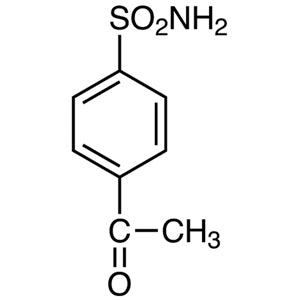
4-Acetylbenzenesulfonamide TCI A3136
Regular price Rp 2.411.850,00Regular price -
1,3,5-Triacetylbenzene TCI T1337
Regular price From Rp 4.399.500,00Regular price -
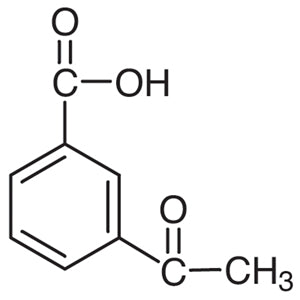
3-AcetylbenzoicAcid TCI A1652
Regular price From Rp 1.618.050,00Regular price -
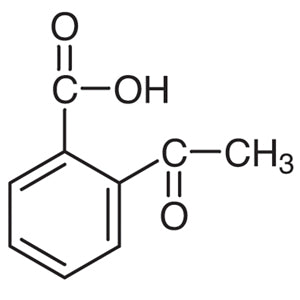
2-AcetylbenzoicAcid TCI A1075
Regular price Rp 1.908.900,00Regular price -
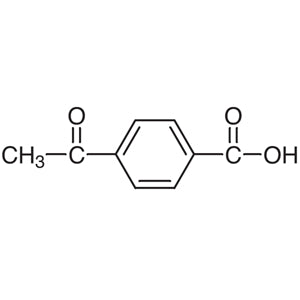
4-AcetylbenzoicAcid TCI A1024
Regular price From Rp 795.900,00Regular price -
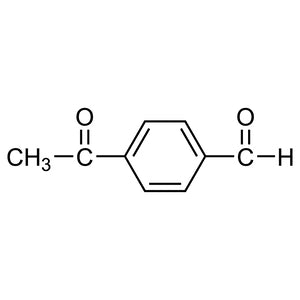
4-Acetylbenzaldehyde TCI A3722
Regular price Rp 2.889.600,00Regular price -
Sodium4-Acetylbenzenesulfonate TCI A1430
Regular price From Rp 2.227.050,00Regular price