Sodium 4-Acetylbenzenesulfonate is a chemical compound widely used in organic synthesis reactions within laboratory settings. It serves as a key building block in the development of aromatic compounds and their derivatives, playing a vital role in various chemical processes. Its molecular structure allows for substitution reactions and other essential chemical transformations, making it a versatile reagent for synthetic chemists. This compound is particularly valued for its stability and reactivity, which enable it to participate in a wide range of experimental procedures. Its chemical properties make it an essential component in both research and educational environments, supporting the advancement of chemical knowledge and innovation.
The compound is known for its physical and chemical characteristics that enhance its usability in laboratory conditions. It is a solid substance that dissolves easily in organic solvents, facilitating its application in diverse chemical reactions. Its stability under normal conditions ensures that it remains effective throughout the duration of experiments. Additionally, Sodium 4-Acetylbenzenesulfonate is non-toxic and free from hazardous components, making it a safe choice for laboratory use. These properties contribute to its popularity among chemists working in both academic and industrial settings.
In Indonesian laboratories, Sodium 4-Acetylbenzenesulfonate is commonly used in chemical research, educational programs, and product development. It is an integral part of laboratory activities aimed at teaching and applying chemical principles. Its reliability and consistent performance make it a preferred choice for both students and professionals engaged in chemical experimentation and innovation.
- Organic synthesis reactions benefit from Sodium 4-Acetylbenzenesulfonate due to its ability to participate in substitution and other essential chemical transformations.
- It is ideal for the preparation of aromatic compounds and their derivatives, providing a stable and reactive starting material for complex syntheses.
- In educational settings, it supports teaching and learning of chemical reactions and synthetic methodologies through hands-on experimentation.
- Its solubility in organic solvents makes it suitable for use in various analytical and preparative techniques within the laboratory.
- It is frequently used in research and development projects focused on the creation of new chemical products and materials.
| Brand | TCI |
|---|---|
| CAS number | 61827-67-6 |
| Molecular formula | — |
| Purity | — |
| Category | Chemistry > Building Blocks > Non-Heterocyclic Building Blocks |
| Pack sizes | Available in various quantities as per supplier specifications |
| Physical form | Solid |
| Storage | Store in a cool, dry place away from moisture and direct sunlight |
Sodium 4-Acetylbenzenesulfonate should be stored in a cool, dry environment to maintain its chemical stability. It is recommended to keep the compound in a tightly sealed container to prevent exposure to moisture and air. Suitable storage containers include glass or plastic vessels that are resistant to chemical reactions. The compound is non-hazardous and does not require special handling beyond standard laboratory precautions. It is important to ensure that the storage area is well-ventilated and free from potential contaminants. Regular inspection of the container and storage conditions is advised to maintain the integrity of the material.
—
Produk Terkait
-
1,3,5-Triacetylbenzene TCI T1337
Regular price From Rp 4.399.500,00Regular priceRp 3.076.500,00Sale price From Rp 4.399.500,00 -
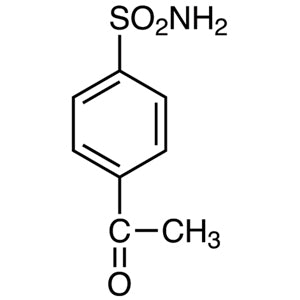
4-Acetylbenzenesulfonamide TCI A3136
Regular price Rp 2.464.350,00Regular priceRp 1.738.800,00Sale price Rp 2.464.350,00 -
1,3-Diacetylbenzene TCI D2617
Regular price From Rp 823.200,00Regular priceRp 575.400,00Sale price From Rp 823.200,00 -
1,4-Diacetylbenzene TCI D0066
Regular price From Rp 1.829.100,00Regular priceRp 1.278.900,00Sale price From Rp 1.829.100,00 -
4-tert-Butylbenzenesulfonamide TCI B3837
Regular price Rp 1.087.800,00Regular priceRp 775.950,00Sale price Rp 1.087.800,00 -
4-tert-ButylbenzenesulfonylChloride TCI B1983
Regular price From Rp 769.650,00Regular priceRp 537.600,00Sale price From Rp 769.650,00 -
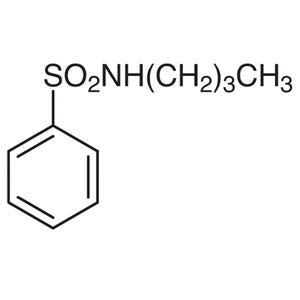
N-Butylbenzenesulfonamide TCI B0716
Regular price From Rp 557.550,00Regular priceRp 405.300,00Sale price From Rp 557.550,00 -
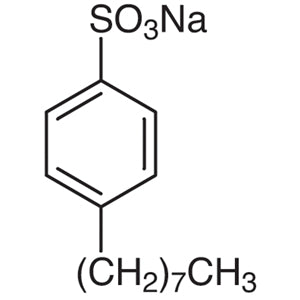
Sodium4-n-Octylbenzenesulfonate TCI O0203
Regular price From Rp 5.141.850,00Regular priceRp 3.595.200,00Sale price From Rp 5.141.850,00