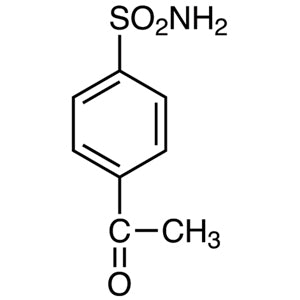
2-Acetylbenzoic Acid is a versatile chemical compound widely used in laboratory settings for its reactivity and functional versatility. As a key building block in organic chemistry, it plays a crucial role in the synthesis of various organic compounds. Its molecular structure, containing both a carboxylic acid group and an acetyl group, allows it to participate in multiple chemical reactions, making it an essential reagent for chemists. This compound is particularly valuable in the development of new materials, pharmaceuticals, and industrial chemicals due to its ability to form esters and undergo substitution reactions.
The compound's stability and reactivity make it a preferred choice in laboratory applications. Its ability to interact with a wide range of functional groups enables precise control over synthetic pathways. This versatility allows researchers to design complex molecules with specific properties. Additionally, its predictable behavior in different reaction conditions ensures reliable results, which is critical in both research and educational environments. The compound's chemical properties also make it suitable for use in a variety of reaction types, including esterification and hydrolysis.
In Indonesian laboratories, 2-Acetylbenzoic Acid is commonly used by researchers and students working in organic chemistry. It supports both teaching and research activities, particularly in the development of new compounds and the study of reaction mechanisms. Its relevance extends to pharmaceutical research, material science, and chemical synthesis, where it serves as a foundational reagent. Its widespread use underscores its importance in both academic and industrial chemical applications.
- In pharmaceutical synthesis, 2-Acetylbenzoic Acid is used to create compounds with specific biological activities due to its functional groups that can be modified for drug development.
- For material science applications, it serves as a building block for creating polymers and coatings, leveraging its reactivity and structural versatility.
- In organic chemistry research, it is a key reagent for esterification and substitution reactions, enabling the synthesis of complex organic molecules.
- In educational settings, it is used to demonstrate reaction mechanisms and functional group chemistry, providing hands-on learning opportunities for students.
- For industrial chemical production, it is employed in the manufacture of specialty chemicals, where its stability and reactivity ensure efficient and scalable processes.
| Brand | TCI |
|---|---|
| CAS number | 577-56-0 |
| Molecular formula | — |
| Purity | — |
| Category | Chemistry > Building Blocks > Non-Heterocyclic Building Blocks |
| Pack sizes | Available in various quantities as per supplier specifications |
| Physical form | Solid |
| Storage | Store in a cool, dry place away from moisture and direct sunlight |
2-Acetylbenzoic Acid should be stored in a cool, dry environment to maintain its chemical integrity. It is recommended to keep it in a sealed container to prevent exposure to moisture and air. While it is generally stable under normal laboratory conditions, it should be handled with care to avoid contamination. Proper labeling of storage containers is essential for safety and traceability. In a laboratory setting, it is advisable to store it in a fume hood when handling in larger quantities to minimize exposure. Always ensure that the storage area is well-ventilated and free from incompatible materials to maintain a safe working environment.
—
Produk Terkait
-
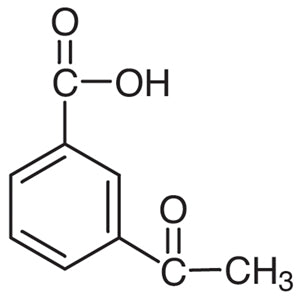
3-AcetylbenzoicAcid TCI A1652
Regular price From Rp 1.670.550,00Regular priceRp 1.183.350,00Sale price From Rp 1.670.550,00 -
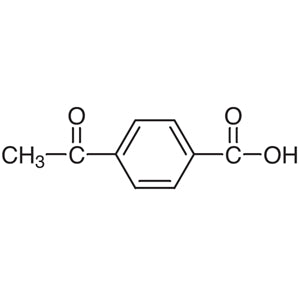
4-AcetylbenzoicAcid TCI A1024
Regular price From Rp 848.400,00Regular priceRp 609.000,00Sale price From Rp 848.400,00 -
Methyl4-Acetylbenzoate TCI M2163
Regular price From Rp 1.856.400,00Regular priceRp 1.313.550,00Sale price From Rp 1.856.400,00 -
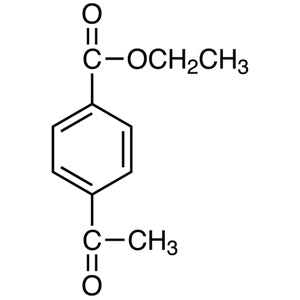
Ethyl4-Acetylbenzoate TCI E1113
Regular price From Rp 1.220.100,00Regular priceRp 868.350,00Sale price From Rp 1.220.100,00 -
1,3,5-Triacetylbenzene TCI T1337
Regular price From Rp 4.399.500,00Regular priceRp 3.076.500,00Sale price From Rp 4.399.500,00 -
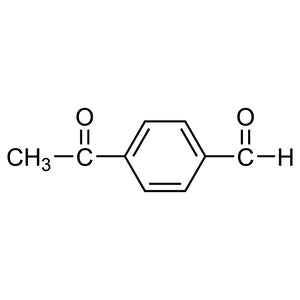
4-Acetylbenzaldehyde TCI A3722
Regular price Rp 2.889.600,00Regular priceRp 2.020.200,00Sale price Rp 2.889.600,00 -
4-Acetylbenzenesulfonamide TCI A3136
Regular price Rp 2.464.350,00Regular priceRp 1.738.800,00Sale price Rp 2.464.350,00 -
1,3-Diacetylbenzene TCI D2617
Regular price From Rp 823.200,00Regular priceRp 575.400,00Sale price From Rp 823.200,00