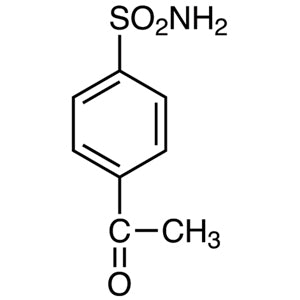
3-Acetylbenzoic Acid is a chemical compound widely used in organic synthesis reactions. It serves as a fundamental building block in the creation of complex molecules with aromatic structures and carboxylic acid groups. In the laboratory, it plays a crucial role in the development of compounds with specific properties, such as acidity or reactivity. This compound is essential for researchers aiming to synthesize a variety of organic materials. Its versatility makes it a valuable tool in both academic and industrial settings.
The chemical properties of 3-Acetylbenzoic Acid make it a preferred choice for many applications. It is chemically stable and capable of participating in various reactions, including hydrolysis, reduction, and substitution. Its well-defined molecular structure and controlled reactivity allow for predictable outcomes in synthetic processes. These characteristics make it an ideal material for organic chemists seeking reliable and consistent results. Additionally, its high purity and solid form ensure ease of handling and accurate measurements in laboratory experiments.
In Indonesian laboratories, 3-Acetylbenzoic Acid is commonly used in pure chemical research and pharmaceutical industries. Many research institutions and universities rely on this compound for organic chemistry projects, particularly in the development of drug compounds and industrial chemicals. Its availability through local distributors like AMI Scientific ensures that it is accessible for both academic and commercial applications. This widespread use underscores its importance in the chemical research landscape of Indonesia.
- Organic synthesis is a key application where 3-Acetylbenzoic Acid is used to build complex molecules with aromatic and carboxylic acid functionalities.
- Pharmaceutical research benefits from this compound as it is often used in the development of drug compounds due to its structural versatility.
- Industrial chemical production relies on this material for the creation of various chemical intermediates and specialty products.
- Academic research in chemistry utilizes it for teaching and experimental purposes, allowing students to understand synthetic pathways.
- Analytical chemistry applications may use it as a reference standard for spectroscopic and chromatographic analyses.
| Brand | TCI |
|---|---|
| CAS number | 586-42-5 |
| Molecular formula | — |
| Purity | — |
| Category | Chemistry > Building Blocks > Non-Heterocyclic Building Blocks |
| Pack sizes | — |
| Physical form | Solid |
| Storage | Store in a cool, dry place away from direct sunlight |
3-Acetylbenzoic Acid should be stored in a cool, dry place away from direct sunlight to maintain its chemical stability. It is recommended to use airtight containers to prevent moisture absorption and contamination. Due to its solid form, it is typically handled using standard laboratory techniques, ensuring safe and precise measurements. General laboratory precautions include wearing appropriate personal protective equipment, such as gloves and safety goggles, when handling the compound. It is important to ensure proper ventilation in the workspace to minimize exposure to any potential fumes. Proper storage and handling practices help maintain the integrity of the compound and ensure safe usage in laboratory environments.
—
Produk Terkait
-
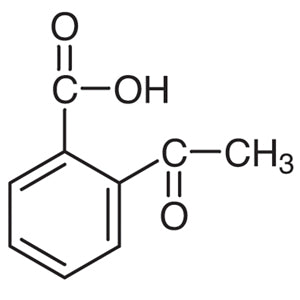
2-AcetylbenzoicAcid TCI A1075
Regular price Rp 1.961.400,00Regular priceRp 1.387.050,00Sale price Rp 1.961.400,00 -
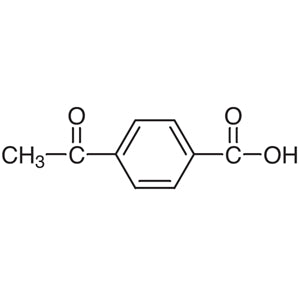
4-AcetylbenzoicAcid TCI A1024
Regular price From Rp 848.400,00Regular priceRp 609.000,00Sale price From Rp 848.400,00 -
Methyl4-Acetylbenzoate TCI M2163
Regular price From Rp 1.856.400,00Regular priceRp 1.313.550,00Sale price From Rp 1.856.400,00 -
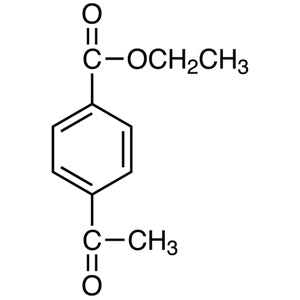
Ethyl4-Acetylbenzoate TCI E1113
Regular price From Rp 1.220.100,00Regular priceRp 868.350,00Sale price From Rp 1.220.100,00 -
1,3,5-Triacetylbenzene TCI T1337
Regular price From Rp 4.399.500,00Regular priceRp 3.076.500,00Sale price From Rp 4.399.500,00 -
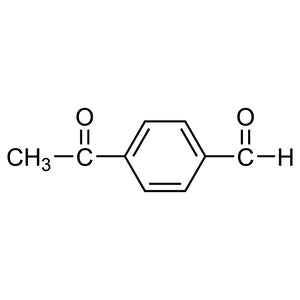
4-Acetylbenzaldehyde TCI A3722
Regular price Rp 2.889.600,00Regular priceRp 2.020.200,00Sale price Rp 2.889.600,00 -
4-Acetylbenzenesulfonamide TCI A3136
Regular price Rp 2.464.350,00Regular priceRp 1.738.800,00Sale price Rp 2.464.350,00 -
1,3-Diacetylbenzene TCI D2617
Regular price From Rp 823.200,00Regular priceRp 575.400,00Sale price From Rp 823.200,00