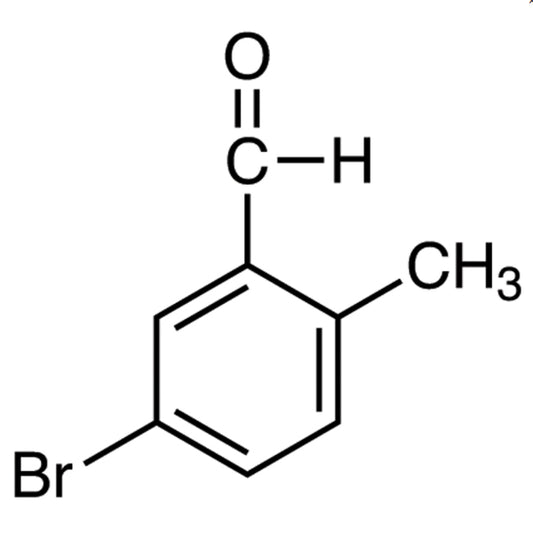
4-Acetylbenzaldehyde is a versatile organic compound widely used in laboratory settings for its ability to participate in various chemical reactions. As a building block in organic synthesis, it plays a crucial role in the development of complex molecules, including pharmaceuticals, fragrances, and industrial chemicals. Its aromatic structure, combined with both aldehyde and ketone functional groups, makes it an essential component in synthetic pathways requiring high reactivity and functional group compatibility. This compound is particularly valued for its stability under a range of reaction conditions, allowing chemists to manipulate its structure with precision.
The chemical properties of 4-Acetylbenzaldehyde, such as its reactivity in aldol and condensation reactions, make it a preferred choice for synthetic chemists. Its molecular structure allows for flexible modification, enabling the creation of diverse compounds through substitution and functionalization. The compound’s clarity and crystalline form also facilitate purification and handling in laboratory environments. These characteristics ensure that it remains a reliable and effective reagent in both research and industrial applications.
In Indonesian laboratories, 4-Acetylbenzaldehyde is commonly used by researchers and scientists in the development of new compounds, reactivity studies, and organic synthesis projects. Its availability and chemical properties make it an essential tool for academic and industrial research, supporting the advancement of chemical science in the region.
Advantages (TCI brochure)
- Benzaldehyde derivatives with NaBH3CN give N-terminally monobenzylated proteins
- Does not alter natural amino acid residues within proteins
TCI brochures (PDF)
- Protein Site-specific Modification-related Reagents 2025-10-21 · p. 3
- Organic synthesis applications benefit from 4-Acetylbenzaldehyde due to its reactivity and ability to form complex molecular structures through various chemical reactions.
- Pharmaceutical research utilizes this compound as a building block for the development of new drugs and therapeutic agents.
- Fragrance and flavor compound development relies on its aromatic properties and ability to participate in condensation and substitution reactions.
- Industrial chemical synthesis uses 4-Acetylbenzaldehyde to create a wide range of chemical products with specific functional groups.
- Analytical chemistry applications take advantage of its crystalline form and solubility properties for purification and characterization processes.
From the TCI brochure
- Selective N-terminal modification of small proteins
| Brand | TCI |
|---|---|
| CAS number | 3457-45-2 |
| Molecular formula | — |
| Purity | — |
| Category | Chemistry > Building Blocks > Non-Heterocyclic Building Blocks |
| Pack sizes | Available in various quantities as per supplier specifications |
| Physical form | Crystalline solid |
| Storage | Store in a cool, dry place away from light and moisture |
4-Acetylbenzaldehyde should be stored in a cool, dry environment, away from direct light and moisture to maintain its chemical integrity. It is recommended to use airtight containers to prevent exposure to air and potential degradation. Due to its reactivity, it should be handled in a well-ventilated area, with appropriate personal protective equipment such as gloves and safety goggles. Avoid contact with incompatible substances, and ensure that storage conditions are consistent with standard laboratory safety protocols. Proper labeling and containment are essential to prevent accidental exposure and ensure safe handling in all laboratory environments.
References cited in the TCI brochure
- Diao Chen. Selective N-terminal functionalization of native peptides and proteins Chemical Science, 2017. doi:10.1039/c6sc04744k
- Xiangdan Wang. Application of N-Terminal Site-Specific Biotin and Digoxigenin Conjugates to Clinical Anti-drug Antibody Assay Development Bioconjugate Chemistry, 2023. doi:10.1021/acs.bioconjchem.3c00421
Produk Terkait
-
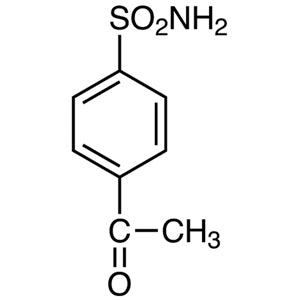
4-Acetylbenzenesulfonamide TCI A3136
Regular price Rp 2.411.850,00Regular price -
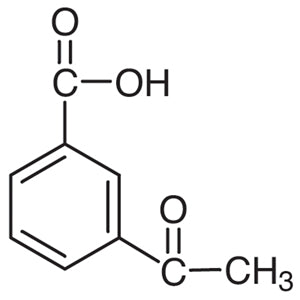
3-AcetylbenzoicAcid TCI A1652
Regular price From Rp 1.618.050,00Regular price -
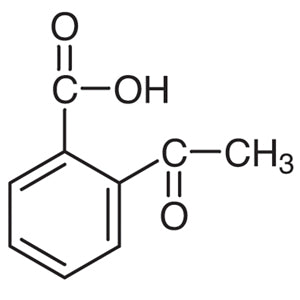
2-AcetylbenzoicAcid TCI A1075
Regular price Rp 1.908.900,00Regular price -
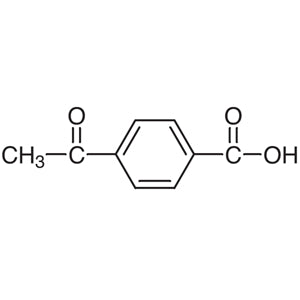
4-AcetylbenzoicAcid TCI A1024
Regular price From Rp 795.900,00Regular price -
2,4,5-Trimethylbenzaldehyde TCI T1411
Regular price Rp 1.961.400,00Regular price -
2,4,6-Trimethylbenzaldehyde TCI T1368
Regular price Rp 2.147.250,00Regular price -
5-Bromo-2-methylbenzaldehyde TCI B5036
Regular price From Rp 2.677.500,00Regular price -
4-Hydroxy-3-methylbenzaldehyde TCI H1419
Regular price From Rp 2.016.000,00Regular price