TCI D2666 4'-Hydroxy-3',5'-dimethoxyacetophenone is an aromatic phenolic compound widely known as acetosyringone. Its structure consists of a benzene ring bearing an acetyl group, one phenolic hydroxyl group, and two methoxy groups flanking that hydroxyl, forming the characteristic syringyl pattern found in plant lignin derivatives. In the laboratory, this compound serves two important roles at once: as a starting material in organic synthesis for building phenolic derivative compounds, and as a molecular biology reagent widely used in plant transformation research. This dual role makes it a versatile item on the bench for both synthetic and biological workflows.
The properties that make it a preferred choice are the combination of its syringyl structure and its reactive ketone group. The 3,5-dimethoxy-4-hydroxy pattern is the hallmark of the syringyl unit of lignin, so this compound is frequently used as a model compound in studies of lignin degradation and biomass valorization. Its acetyl group can undergo aldol condensation, alpha-halogenation, reduction, and heterocycle formation, opening up many derivatization routes. In the molecular biology context, this phenolic compound acts as an inducer of virulence genes in *Agrobacterium tumefaciens*, making it an important component for improving transformation efficiency.
In Indonesian laboratories, this material is typically used in university and institutional research settings where plant biotechnology and natural product chemistry are both active fields. Plant tissue culture and genetic transformation groups rely on it during *Agrobacterium*-mediated work, while organic synthesis and biomass research groups use it as a phenolic building block and lignin model compound. It is usually purchased in small research quantities and stored centrally in a shared chemical store, then weighed out per experiment.
Related TCI products
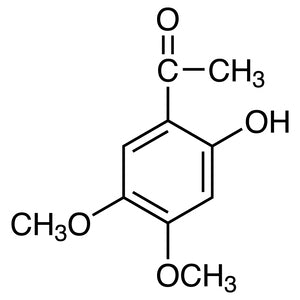
- TCI H1206 20628-06-2 2'-Hydroxy-4',5'-dimethoxyacetophenone
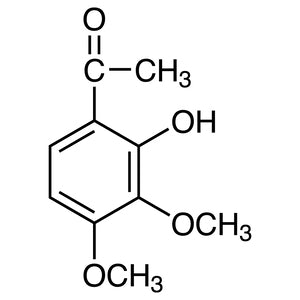
- TCI H1205 5396-18-9 2'-Hydroxy-3',4'-dimethoxyacetophenone
- TCI D4849 2040-04-2 2',6'-Dimethoxyacetophenone
- TCI D2030 829-20-9 2',4'-Dimethoxyacetophenone
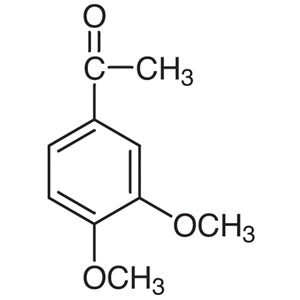
- TCI D1878 1131-62-0 3',4'-Dimethoxyacetophenone
- TCI D1444 1201-38-3 2',5'-Dimethoxyacetophenone
- *Agrobacterium*-mediated plant transformation, where this phenolic compound is added as a virulence gene inducer to improve the efficiency of gene transfer into plant tissue.
- Organic synthesis of phenolic derivatives, since the reactive acetyl group supports aldol condensation, alpha-halogenation, and reduction routes toward more elaborate target molecules.
- Lignin degradation studies, where the 3,5-dimethoxy-4-hydroxy syringyl pattern makes it a representative model compound for tracking how syringyl units break down.
- Biomass valorization research, because it reproduces an authentic lignin-derived structural motif and allows conversion pathways to be examined on a well-defined single compound.
- Heterocyclic chemistry, in which the ketone functionality serves as a handle for ring-forming reactions that build heterocyclic scaffolds from a substituted aromatic core.
| Brand | TCI |
|---|---|
| CAS number | 2478-38-8 |
| Molecular formula | — |
| Purity | — |
| Category | Chemistry > Building Blocks > Non-Heterocyclic Building Blocks |
| Pack sizes | available in the catalogue pack sizes offered by TCI for this item |
| Physical form | — |
| Storage | keep in the closed original container under the conditions stated on the manufacturer's label |
- Chemical name: 4'-Hydroxy-3',5'-dimethoxyacetophenone (acetosyringone)
Store the container tightly closed in a cool, dry, and well-ventilated area, away from direct sunlight, heat sources, and strong oxidizing agents. Keep the material in its original manufacturer container or in a clean, chemically compatible, clearly labelled glass container; protect it from moisture, since phenolic compounds can absorb humidity in tropical laboratory conditions. Handle the solid in a fume hood or a well-ventilated weighing area, and wear a laboratory coat, safety glasses, and suitable chemical-resistant gloves. Avoid generating dust, avoid inhalation and contact with skin and eyes, and close the container immediately after weighing. Always consult the manufacturer's safety data sheet before use, and dispose of residues and contaminated materials through the laboratory's chemical waste system.
—
Produk Terkait
-
2'-Hydroxy-4',5'-dimethoxyacetophenone TCI H1206
Regular price Rp 5.009.550,00Regular price -
2'-Hydroxy-3',4'-dimethoxyacetophenone TCI H1205
Regular price From Rp 1.829.100,00Regular price -
2',6'-Dimethoxyacetophenone TCI D4849
Regular price From Rp 557.550,00Regular price -
2',4'-Dimethoxyacetophenone TCI D2030
Regular price Rp 1.193.850,00Regular price -
3',4'-Dimethoxyacetophenone TCI D1878
Regular price From Rp 1.008.000,00Regular price -
2',5'-Dimethoxyacetophenone TCI D1444
Regular price Rp 1.670.550,00Regular price -
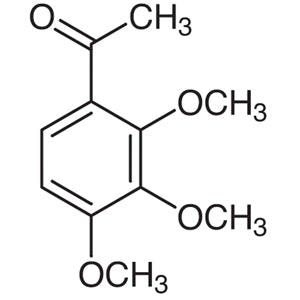
2',3',4'-Trimethoxyacetophenone TCI T1517
Regular price Rp 2.199.750,00Regular price -
3'-Bromo-2'-methoxyacetophenone TCI B5498
Regular price From Rp 1.087.800,00Regular price