TCI D2030 2',4'-Dimethoxyacetophenone (CAS 829-20-9) is an organic compound derived from acetophenone. It carries two methoxy groups on its aromatic ring. In the laboratory it serves as a starting material, or building block, for organic synthesis. Its methyl ketone group and electron-rich aromatic ring offer several reactive sites that chemists can modify. For this reason it is often chosen as a starting point for building more complex molecules, both in organic chemistry research and in medicinal chemistry programs.
The carbonyl group in this compound is reactive enough for condensation reactions, reductions, and halogenation at the alpha position, so one molecule gives access to several transformations. The two methoxy groups change the electron density of the aromatic ring and control where substitution reactions take place. That lets chemists plan synthetic routes with more control over the outcome. The product is supplied by TCI, a brand widely known among researchers for synthesis reagents. Purity and physical property details should be checked against the manufacturer's specification sheet and SDS for each lot.
In Indonesia, this compound is relevant to organic chemistry research groups at universities, natural product research laboratories, and development laboratories that need a dependable aromatic ketone for synthesis. Graduate students and researchers can use it for multi-step synthesis projects, methodology studies, and the preparation of analogues for screening. Because the Indonesian and English pages describe the same product, laboratories can cite the catalogue code D2030 and CAS 829-20-9 when they request a quotation or compare specifications in procurement documents.
Related TCI products
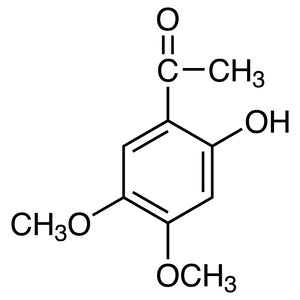
- TCI H1206 20628-06-2 2'-Hydroxy-4',5'-dimethoxyacetophenone
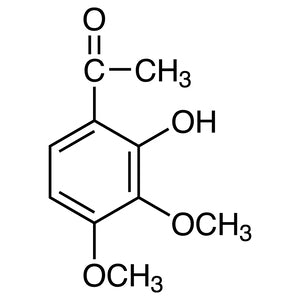
- TCI H1205 5396-18-9 2'-Hydroxy-3',4'-dimethoxyacetophenone
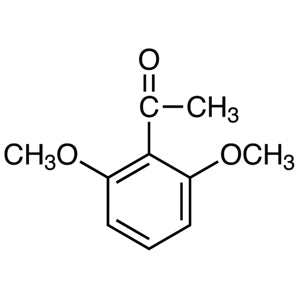
- TCI D4849 2040-04-2 2',6'-Dimethoxyacetophenone
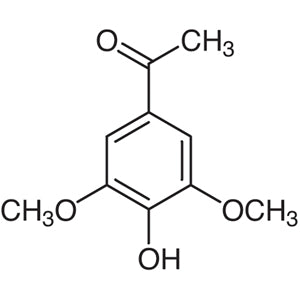
- TCI D2666 2478-38-8 4'-Hydroxy-3',5'-dimethoxyacetophenone
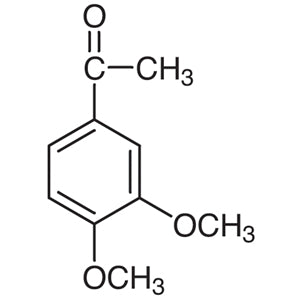
- TCI D1878 1131-62-0 3',4'-Dimethoxyacetophenone
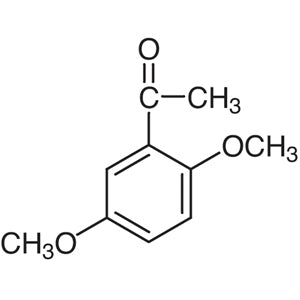
- TCI D1444 1201-38-3 2',5'-Dimethoxyacetophenone
- Organic synthesis building block: the methyl ketone and the methoxy-substituted aromatic ring give several reactive sites, so it works well as a starting point for building more complex target molecules.
- Condensation reactions: the reactive carbonyl group takes part in condensation chemistry, so researchers can extend the carbon framework and build conjugated or larger structures from a simple, well-defined precursor.
- Reduction studies: the ketone can be reduced to the corresponding alcohol, which makes the compound useful for studying reduction methods and for preparing intermediates for later synthetic steps.
- Alpha-halogenation: the position next to the carbonyl can be halogenated, which gives a reactive handle for further substitution and coupling steps in longer synthetic routes in research laboratories.
- Medicinal chemistry analogue preparation: the electron-rich dimethoxy aromatic core lets chemists make structurally related analogues when they explore structure-activity relationships in early-stage medicinal chemistry research projects.
| Brand | TCI (catalogue code D2030) |
|---|---|
| CAS number | 829-20-9 |
| Molecular formula | — |
| Purity | — |
| Category | Chemistry > Building Blocks > Non-Heterocyclic Building Blocks |
| Pack sizes | please refer to the available product options or contact AMI Scientific |
| Physical form | refer to the manufacturer's specification sheet for each lot |
| Storage | follow the conditions stated on the product label and the manufacturer's SDS |
Store 2',4'-Dimethoxyacetophenone in its original, tightly closed manufacturer's container, in a cool, dry, well-ventilated place away from direct sunlight, heat sources, and incompatible materials such as strong oxidising agents. Always check the storage temperature and other conditions on the product label and the SDS for the specific lot. Handle the compound in a fume hood or well-ventilated area and wear standard personal protective equipment, including a lab coat, safety glasses, and chemical-resistant gloves. Avoid inhaling dust or vapour and avoid contact with skin and eyes. Label secondary containers clearly, reseal the container promptly after use, and dispose of waste according to institutional and local chemical waste regulations.
—
Produk Terkait
-
2'-Hydroxy-4',5'-dimethoxyacetophenone TCI H1206
Regular price Rp 5.062.050,00Regular priceRp 3.555.300,00Sale price Rp 5.062.050,00 -
2'-Hydroxy-3',4'-dimethoxyacetophenone TCI H1205
Regular price From Rp 1.881.600,00Regular priceRp 1.331.400,00Sale price From Rp 1.881.600,00 -
2',6'-Dimethoxyacetophenone TCI D4849
Regular price From Rp 610.050,00Regular priceRp 442.050,00Sale price From Rp 610.050,00 -
4'-Hydroxy-3',5'-dimethoxyacetophenone TCI D2666
Regular price From Rp 2.491.650,00Regular priceRp 1.757.700,00Sale price From Rp 2.491.650,00 -
3',4'-Dimethoxyacetophenone TCI D1878
Regular price From Rp 1.060.500,00Regular priceRp 757.050,00Sale price From Rp 1.060.500,00 -
2',5'-Dimethoxyacetophenone TCI D1444
Regular price Rp 1.723.050,00Regular priceRp 1.220.100,00Sale price Rp 1.723.050,00 -
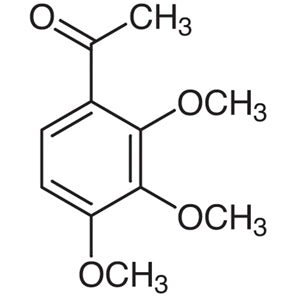
2',3',4'-Trimethoxyacetophenone TCI T1517
Regular price Rp 2.252.250,00Regular priceRp 1.590.750,00Sale price Rp 2.252.250,00 -
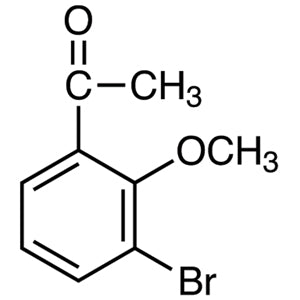
3'-Bromo-2'-methoxyacetophenone TCI B5498
Regular price From Rp 1.140.300,00Regular priceRp 812.700,00Sale price From Rp 1.140.300,00