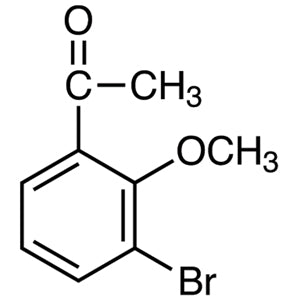
2'-Hydroxy-3',4'-dimethoxyacetophenone is a chemical compound widely used in laboratory settings for constructing complex molecular structures. As a building block in organic chemistry, it plays a crucial role in the synthesis of aromatic compounds and other organic molecules requiring functional group modifications. Its versatility makes it an essential reagent for chemists working on a variety of synthetic pathways. This compound is particularly valuable in research environments where precise control over molecular architecture is required.
The compound’s stable aromatic structure and reactivity make it a preferred choice for chemists. It can participate in various chemical reactions such as substitution, reduction, and oxidation, allowing for the development of new compounds with tailored properties. Its solubility in organic solvents further enhances its usability in laboratory processes, facilitating efficient synthesis and purification techniques. These characteristics contribute to its widespread use in both academic and industrial research settings.
In Indonesian laboratories, 2'-Hydroxy-3',4'-dimethoxyacetophenone is commonly used in organic chemistry research, especially in universities and research institutions focused on the synthesis of new compounds. Its availability in various packaging options supports both small-scale and medium-scale experiments. Its role in advancing chemical research in Indonesia is significant, particularly in the development of novel organic materials and pharmaceutical intermediates.
Related TCI products
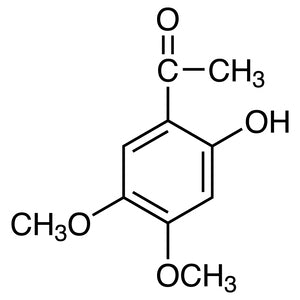
- TCI H1206 20628-06-2 2'-Hydroxy-4',5'-dimethoxyacetophenone
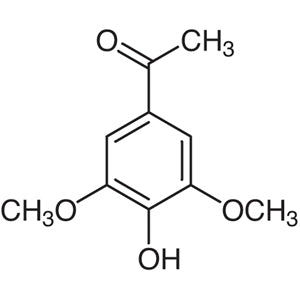
- TCI D2666 2478-38-8 4'-Hydroxy-3',5'-dimethoxyacetophenone
- TCI D4849 2040-04-2 2',6'-Dimethoxyacetophenone
- TCI D2030 829-20-9 2',4'-Dimethoxyacetophenone
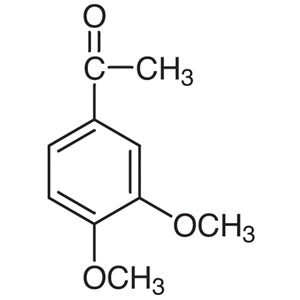
- TCI D1878 1131-62-0 3',4'-Dimethoxyacetophenone
- TCI D1444 1201-38-3 2',5'-Dimethoxyacetophenone
- Organic synthesis applications benefit from its ability to participate in substitution and oxidation reactions, enabling the creation of complex aromatic derivatives.
- It is ideal for functional group modification in aromatic rings, making it a key reagent in the development of new pharmaceutical compounds.
- The compound supports the synthesis of organic materials used in polymer science, where controlled chemical modifications are essential.
- It is frequently used in academic research for teaching and experimental purposes, providing students with hands-on experience in synthetic chemistry.
- Its solubility in organic solvents makes it suitable for chromatographic and spectroscopic analyses in analytical chemistry laboratories.
| Brand | TCI |
|---|---|
| CAS number | 5396-18-9 |
| Molecular formula | — |
| Purity | — |
| Category | Chemistry > Building Blocks > Non-Heterocyclic Building Blocks |
| Pack sizes | Available in various sizes to suit different experimental needs |
| Physical form | Solid or crystalline, depending on the packaging |
| Storage | Store in a cool, dry place away from direct sunlight |
This compound should be stored in a cool, dry environment to maintain its stability and prevent degradation. It is recommended to use airtight containers to protect it from moisture and air exposure. Due to its chemical nature, it should be handled in a well-ventilated area to minimize inhalation risks. Proper personal protective equipment, such as gloves and safety goggles, should be worn during handling. Avoid contact with skin and eyes, and ensure that spillage is cleaned up promptly. The compound is generally stable under normal laboratory conditions, but it is important to follow standard chemical safety protocols to ensure safe usage and storage.
—
Produk Terkait
-
2'-Hydroxy-4',5'-dimethoxyacetophenone TCI H1206
Regular price Rp 5.009.550,00Regular price -
4'-Hydroxy-3',5'-dimethoxyacetophenone TCI D2666
Regular price From Rp 2.439.150,00Regular price -
2',6'-Dimethoxyacetophenone TCI D4849
Regular price From Rp 557.550,00Regular price -
2',4'-Dimethoxyacetophenone TCI D2030
Regular price Rp 1.193.850,00Regular price -
3',4'-Dimethoxyacetophenone TCI D1878
Regular price From Rp 1.008.000,00Regular price -
2',5'-Dimethoxyacetophenone TCI D1444
Regular price Rp 1.670.550,00Regular price -
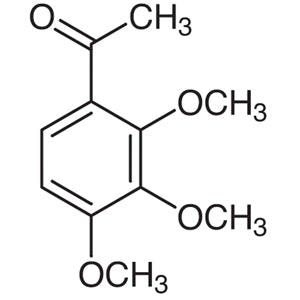
2',3',4'-Trimethoxyacetophenone TCI T1517
Regular price Rp 2.199.750,00Regular price -
3'-Bromo-2'-methoxyacetophenone TCI B5498
Regular price From Rp 1.087.800,00Regular price