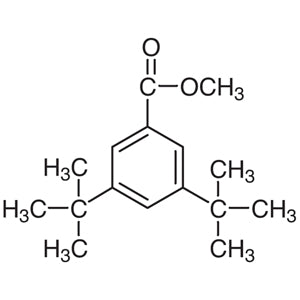
TCI D2695 Methyl 3,5-Di-tert-butylbenzoate is an aromatic methyl ester supplied by TCI and classified within the non-heterocyclic building blocks group. Its molecule consists of a benzene ring bearing a methyl ester group together with two bulky tert-butyl groups at the 3 and 5 positions. This arrangement makes it a distinctive starting material for constructing molecules with controlled steric bulk. In the laboratory, the compound serves as a precursor toward 3,5-di-tert-butylbenzoic acid, the related benzylic alcohol, and a range of ligand frameworks and functional materials that require a sterically demanding aryl group.
The principal characteristic that makes this compound a preferred choice is the steric effect of its two tert-butyl groups, which shield the aromatic ring while directing reactions toward the more open positions. This steric hindrance is particularly valuable in ligand design, because a large aryl group can stabilise a metal centre and prevent side reactions such as dimerisation or aggregation. The tert-butyl groups also improve the solubility of products in non-polar organic solvents, a practical advantage when working with metal complexes or polymers. The methyl ester group itself is flexible: it can be hydrolysed to the carboxylic acid or reduced to the corresponding alcohol, giving the chemist several onward routes from a single intermediate.
In Indonesian laboratories, this material is typically used in synthetic organic and organometallic research groups at universities and institutional research centres, as well as in industrial R&D laboratories developing functional materials. It suits work where a well-defined, sterically hindered aryl building block is needed as the entry point to a longer synthetic sequence, and where reliable, consistently sourced starting materials matter more than improvisation with locally prepared intermediates.
Related TCI products
- Ligand synthesis — the bulky 3,5-di-tert-butylphenyl framework stabilises metal centres and suppresses dimerisation or aggregation, making it a common entry point for hindered ligand scaffolds.
- Preparation of 3,5-di-tert-butylbenzoic acid — the methyl ester is readily hydrolysed to the free carboxylic acid, providing a convenient and controllable route to that intermediate.
- Preparation of the related benzylic alcohol — reduction of the methyl ester group gives access to the corresponding alcohol for further functionalisation in multi-step sequences.
- Functional materials development — the sterically demanding aryl group is incorporated into frameworks where bulk is required to control molecular packing, geometry, and reactivity.
- Solubility-driven molecular design — the two tert-butyl groups improve solubility of downstream products in non-polar organic solvents, easing handling of metal complexes and polymers.
| Brand | TCI |
|---|---|
| CAS number | 64277-87-8 |
| Molecular formula | — |
| Purity | — |
| Category | Chemistry > Building Blocks > Non-Heterocyclic Building Blocks |
| Pack sizes | available in the standard TCI catalogue pack sizes; please refer to the current listing or contact us for the options available |
| Physical form | — |
| Storage | — |
- Product code: D2695
- Chemical name: Methyl 3,5-Di-tert-butylbenzoate
Store the product in a cool, dry, well-ventilated area away from direct sunlight, heat sources, and incompatible materials, following the storage conditions stated on the manufacturer's label and Safety Data Sheet. Keep it in its original tightly closed container, or in a suitable chemically resistant, clearly labelled vessel if transferred. Handle in a fume hood using appropriate personal protective equipment, including safety glasses, gloves, and a laboratory coat. Avoid inhalation of vapours and contact with skin and eyes, close the container immediately after use to limit moisture ingress, and dispose of residues and contaminated materials according to institutional and local chemical waste regulations.
—
Produk Terkait
-
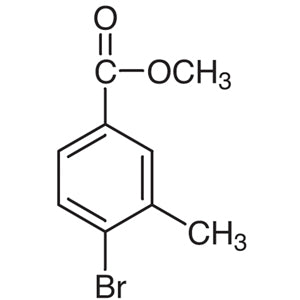
Methyl4-Bromo-3-methylbenzoate TCI B2256
Regular price From Rp 903.000,00Regular price -
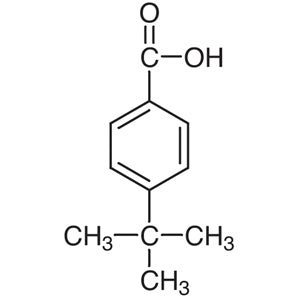
4-tert-ButylbenzoicAcid TCI B0717
Regular price From Rp 477.750,00Regular price -
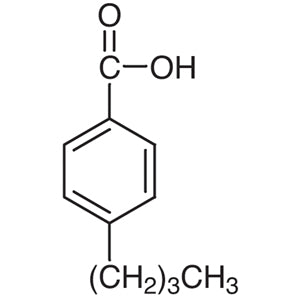
4-ButylbenzoicAcid TCI B0241
Regular price From Rp 477.750,00Regular price -
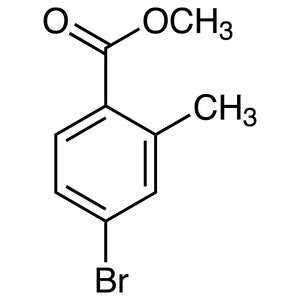
Methyl4-Bromo-2-methylbenzoate TCI M3630
Regular price From Rp 1.936.200,00Regular price -
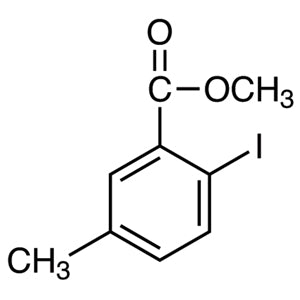
Methyl2-Iodo-5-methylbenzoate TCI M3019
Regular price From Rp 1.510.950,00Regular price -
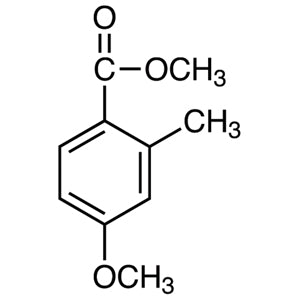
Methyl4-Methoxy-2-methylbenzoate TCI M2889
Regular price From Rp 1.246.350,00Regular price -
Methyl3,4-Dihydroxy-2-methylbenzoate TCI M2713
Regular price Rp 2.068.500,00Regular price -
Methyl3-Iodo-4-methylbenzoate TCI M2694
Regular price From Rp 1.273.650,00Regular price