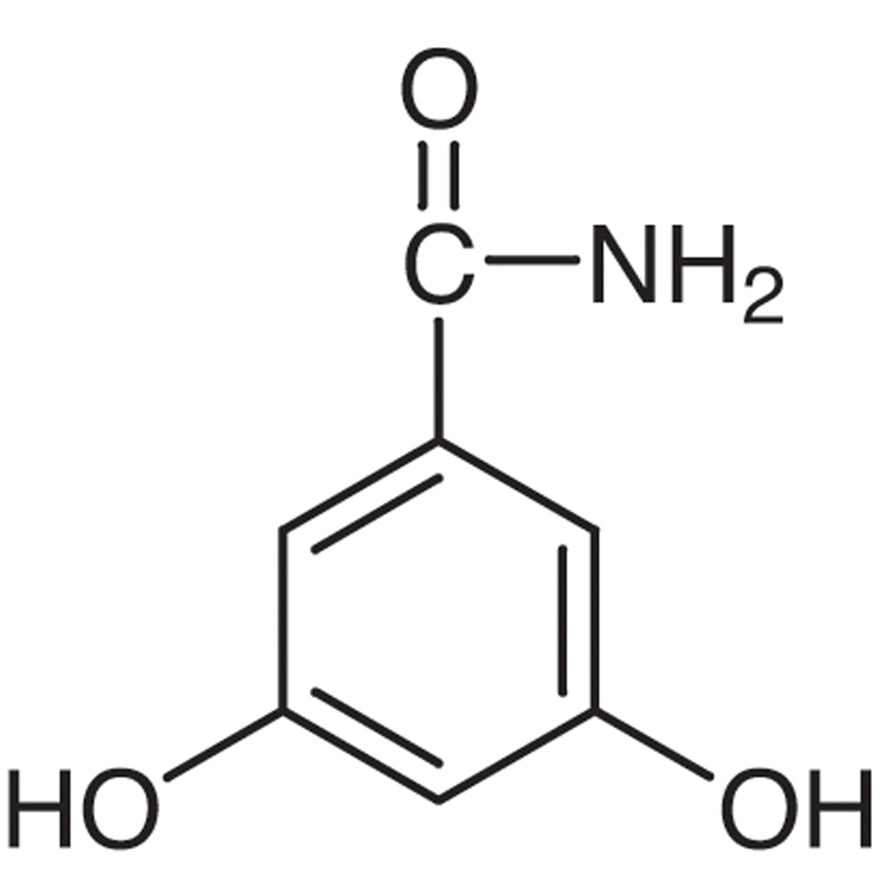
3,5-Dihydroxybenzamide is a chemical compound widely used in scientific experiments, particularly in the fields of materials science and macromolecular chemistry. It serves as a fundamental building block in the synthesis of complex structures such as dendrimers, which are highly branched, tree-like molecules with a well-defined architecture. In the laboratory, this compound plays a crucial role in the development of modular units that can be expanded into larger, more intricate molecular systems. Its versatility makes it an essential tool for researchers aiming to design and manipulate molecular structures with precision.
One of the key properties that make 3,5-Dihydroxybenzamide a preferred choice is its ability to form covalent bonds with various functional groups. This characteristic allows for flexible structural modifications, enabling the creation of a wide range of functional materials. Additionally, its stable chemical properties and controlled reactivity ensure reliable performance in experimental conditions. The compound also exhibits good solubility in organic solvents, which simplifies synthesis and processing procedures in the laboratory setting. These attributes collectively contribute to its widespread use in advanced chemical research.
In Indonesian laboratories, 3,5-Dihydroxybenzamide is commonly utilized in research related to new material development, polymer synthesis, and the study of complex molecular structures. Researchers from educational and research institutions frequently employ this compound in experiments aimed at exploring its potential in creating advanced functional materials and nanotechnology applications. Its reliability and adaptability make it a valuable resource for scientific innovation in the region.
Related TCI products
- Dendrimer Synthesis: This compound is ideal for constructing dendrimer structures due to its ability to form stable, branched molecular frameworks.
- Polymer Modification: It is used to modify polymer chains by introducing functional groups, enhancing the material's properties for specific applications.
- Organic Synthesis: Its reactivity and solubility make it suitable for a variety of organic reactions, supporting the development of new chemical compounds.
- Nanomaterial Development: It contributes to the creation of nanoscale materials by enabling precise molecular assembly and functionalization.
- Structural Chemistry Research: It is employed in studies focused on understanding molecular interactions and structural behavior in complex systems.
| Brand | TCI |
|---|---|
| CAS number | 3147-62-4 |
| Molecular formula | — |
| Purity | — |
| Category | Materials Science > Polymer/Macromolecule Reagents > Dendrimer Building Blocks |
| Pack sizes | Available in various quantities as per standard laboratory supply specifications |
| Physical form | Solid powder |
| Storage | Store in a cool, dry place away from direct sunlight and moisture |
3,5-Dihydroxybenzamide should be stored in a cool, dry environment to maintain its chemical stability. It is recommended to keep the compound in a sealed container to prevent exposure to moisture and air. Suitable storage containers include glass or high-density polyethylene bottles, which provide protection against chemical degradation. In laboratory settings, it is important to handle the compound with appropriate personal protective equipment, such as gloves and safety goggles, to ensure safe handling. Avoid contact with incompatible substances and ensure proper ventilation when working with the compound. Regular inspection of storage conditions helps maintain the integrity of the material for reliable experimental results.
—
Product Categories
Produk Terkait
-
2,4-Dihydroxybenzamide TCI D3460
Regular price From Rp 1.035.300,00Regular price -
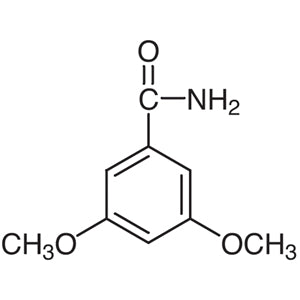
3,5-Dimethoxybenzamide TCI D1558
Regular price Rp 795.900,00Regular price -
3,5-Dichloro-N-(3,4-dichlorophenyl)-2-hydroxybenzamide TCI T4359
Regular price From Rp 1.167.600,00Regular price -
3-Amino-4-methoxybenzamide TCI A1953
Regular price Rp 1.193.850,00Regular price -
3,4,5-Trimethoxybenzamide TCI T0718
Regular price From Rp 1.193.850,00Regular price -
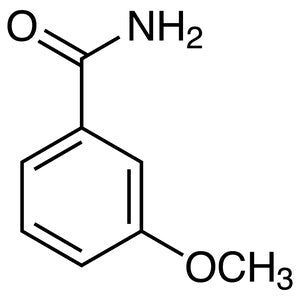
3-Methoxybenzamide TCI M3636
Regular price From Rp 2.677.500,00Regular price -
4-MethoxybenzamidineHydrochloride TCI M2612
Regular price From Rp 1.881.600,00Regular price -
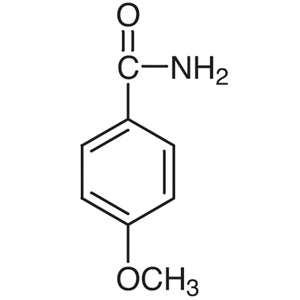
4-Methoxybenzamide TCI M1679
Regular price Rp 1.696.800,00Regular price