2,4-Dihydroxybenzamide is a chemical compound widely utilized in organic synthesis reactions within laboratory settings. It serves as a fundamental building block in the development of complex molecules, including pharmaceuticals, industrial chemicals, and functional compounds. Its aromatic structure, combined with hydroxyl groups at positions 2 and 4 and an amide group at position 1, makes it highly versatile for various chemical transformations. This compound is essential in synthetic chemistry due to its ability to participate in substitution, esterification, and other amide-related reactions.
The compound's stability under specific conditions and its reactivity make it a preferred choice for chemists. Its aromatic ring provides structural stability, while the amide group contributes to its reactivity. Additionally, its polar nature allows it to dissolve in both organic solvents and water under certain conditions. These properties make it suitable for a wide range of chemical applications, particularly in research and development. The compound’s versatility and chemical behavior are key factors in its widespread use in both academic and industrial laboratories.
In Indonesian laboratories, 2,4-Dihydroxybenzamide is commonly used in pure and applied chemical research. It is a key reagent in the synthesis of various compounds, supporting both fundamental and applied scientific investigations. Its availability and chemical properties make it a valuable resource for researchers working on drug development, material science, and other chemical disciplines. The compound plays a crucial role in advancing chemical innovation in Indonesia.
Related TCI products
- Organic synthesis reactions benefit from 2,4-Dihydroxybenzamide due to its aromatic structure and amide functionality, enabling substitution and esterification processes.
- Pharmaceutical research utilizes this compound as a building block for the synthesis of complex drug molecules, leveraging its reactivity and stability.
- Industrial chemical production incorporates this compound for the development of functional materials and specialty chemicals, taking advantage of its solubility properties.
- Analytical chemistry applications often use this compound as a standard or reference material due to its well-defined chemical structure and predictable behavior.
- Environmental studies may employ this compound to investigate chemical behavior in different solvents and reaction conditions, supporting research on chemical fate and transformation.
| Brand | TCI |
|---|---|
| CAS number | 3147-45-3 |
| Molecular formula | — |
| Purity | — |
| Category | Chemistry > Building Blocks > Non-Heterocyclic Building Blocks |
| Pack sizes | Available in various quantities as per supplier specifications |
| Physical form | Solid |
| Storage | Store in a cool, dry place away from moisture and direct sunlight |
This compound should be stored in a cool, dry environment, away from moisture and direct sunlight to maintain its chemical integrity. It is recommended to use airtight containers to prevent exposure to air and humidity. Due to its polar nature, it may absorb moisture from the environment, which could affect its purity and reactivity. Proper labeling of containers is essential for safe handling and identification. Laboratory personnel should wear appropriate personal protective equipment, such as gloves and safety goggles, when handling this compound to ensure safety. Regular inspection of storage conditions is advised to ensure optimal preservation of the material.
—
Produk Terkait
-
3,5-Dichloro-N-(3,4-dichlorophenyl)-2-hydroxybenzamide TCI T4359
Regular price From Rp 1.167.600,00Regular price -
3-Hydroxybenzamide TCI H1643
Regular price From Rp 2.677.500,00Regular price -
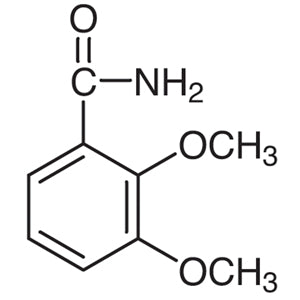
2,3-Dimethoxybenzamide TCI D2283
Regular price Rp 1.405.950,00Regular price -
3,5-Dihydroxybenzamide TCI D2875
Regular price Rp 3.180.450,00Regular price -
3-Amino-4-methoxybenzamide TCI A1953
Regular price Rp 1.193.850,00Regular price -
3,4,5-Trimethoxybenzamide TCI T0718
Regular price From Rp 1.193.850,00Regular price -
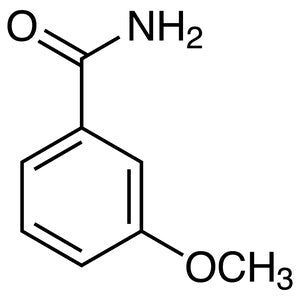
3-Methoxybenzamide TCI M3636
Regular price From Rp 2.677.500,00Regular price -
4-MethoxybenzamidineHydrochloride TCI M2612
Regular price From Rp 1.881.600,00Regular price