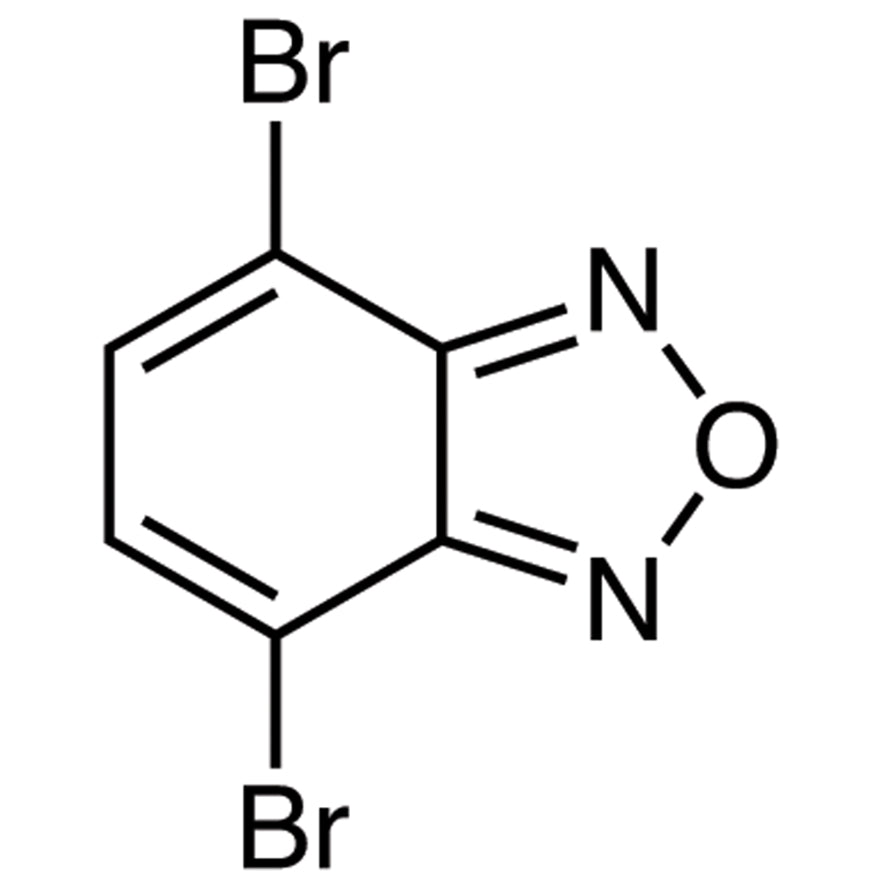
4,7-Dibromo-2,1,3-benzoxadiazole is a chemical compound widely used in scientific research, particularly in the fields of materials science and semiconductor technology. This compound serves as a foundational building block for the synthesis of complex materials with specific conductive or optical properties. In laboratory settings, it plays a crucial role in the development of both inorganic and organic materials, contributing to the creation of advanced functional materials. Its versatility makes it an essential component in the design and modification of molecular structures, supporting innovation in material science.
The compound is valued for its stable chemical structure and controlled reactivity, which allow it to be manipulated effectively in various synthetic processes. These properties make it a preferred choice for researchers aiming to create new materials with tailored properties. Its ability to form bonds with a wide range of functional groups enhances its utility in molecular design and functionalization. This adaptability ensures that it remains a key reagent in the synthesis of advanced materials with specific applications in electronics and optoelectronics.
In Indonesian laboratories, 4,7-Dibromo-2,1,3-benzoxadiazole is commonly used in semiconductor technology, optical material research, and electronic applications. Researchers from academic and industrial institutions rely on this compound to develop new materials with potential applications in advanced technologies. Its role in material innovation underscores its importance in both academic and industrial research environments in Indonesia.
TCI brochures (PDF)
- Building Blocks for Organic Semiconductor 2026-03-24 · p. 24
Related TCI products
- TCI B4473 273-09-6 2,1,3-Benzoxadiazole
- TCI N1137 1394221-73-8 Naphtho[1,2-c:5,6-c']bis([1,2,5]oxadiazole)
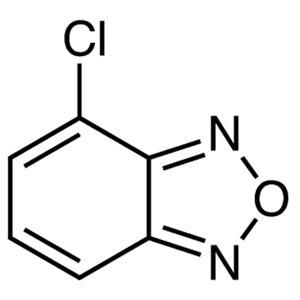
- TCI C1337 7116-16-7 4-Chloro-2,1,3-benzoxadiazole
- TCI B5774 5,10-Bis(4,4,5,5-tetramethyl-1,3,2-dioxaborolan-2-yl)naphtho[1,2-c:5,6-c']bis([1,2,5]oxadiazole)
- TCI D4985 76186-72-6 4,7-Dibromo-5,6-dinitro-2,1,3-benzothiadiazole
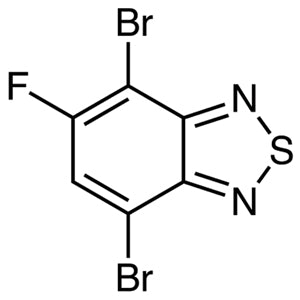
- TCI D4750 1347736-74-6 4,7-Dibromo-5-fluoro-2,1,3-benzothiadiazole
- Semiconductor material synthesis due to its role in creating conductive and optoelectronic compounds.
- Optical material development because of its ability to form functionalized structures with specific optical properties.
- Organic semiconductor research as a building block for molecular design and functionalization.
- Advanced electronic material fabrication due to its stability and reactivity in synthetic processes.
- Material modification applications where controlled reactivity and structural versatility are required.
| Brand | TCI |
|---|---|
| CAS number | 54286-63-4 |
| Molecular formula | — |
| Purity | — |
| Category | Materials Science > Material Building Blocks > Small Molecule Semiconductor Building Blocks |
| Pack sizes | Available in standard laboratory quantities as per supplier specifications |
| Physical form | Solid, crystalline appearance |
| Storage | Store in a cool, dry place away from direct light and moisture |
This compound should be stored in a cool, dry environment, away from direct sunlight and sources of moisture. It is recommended to use airtight containers to prevent exposure to air and humidity. Due to its chemical stability, it does not require refrigeration but should be protected from potential contaminants. In laboratory settings, it is important to handle the compound with appropriate personal protective equipment to ensure safety. Always ensure proper ventilation when working with this material to minimize any potential risks associated with its handling.
—
Produk Terkait
-
2,1,3-Benzoxadiazole TCI B4473
Regular price From Rp 928.200,00Regular price -
Naphtho[1,2-c:5,6-c']bis([1,2,5]oxadiazole) TCI N1137
Regular price Rp 4.584.300,00Regular price -
4-Chloro-2,1,3-benzoxadiazole TCI C1337
Regular price From Rp 4.240.950,00Regular price -
TCI B5774 5,10-Bis(4,4,5,5-tetramethyl-1,3,2-dioxaborolan-2-yl)naphtho[1,2-c:5,6-c']bis([1,2,5]oxadiazole)
Regular price Rp 10.255.350,00Regular price -
4,7-Dibromo-5,6-dinitro-2,1,3-benzothiadiazole TCI D4985
Regular price From Rp 1.908.900,00Regular price -
4,7-Dibromo-5-fluoro-2,1,3-benzothiadiazole TCI D4750
Regular price From Rp 1.378.650,00Regular price -
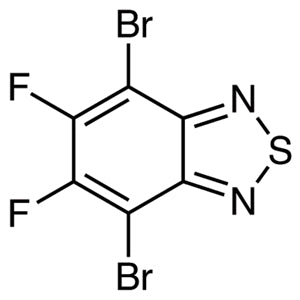
4,7-Dibromo-5,6-difluoro-2,1,3-benzothiadiazole TCI D4734
Regular price Rp 5.194.350,00Regular price -
5,6-Dibromo-2,1,3-benzothiadiazole TCI D4064
Regular price Rp 7.792.050,00Regular price

![1394221-73-8 Naphtho[1,2-c:5,6-c']bis([1,2,5]oxadiazole) - AMI Scientific](http://amiscientific.com/cdn/shop/files/TCI2510N1137.jpg?v=1769143159&width=533)
![5,10-Bis(4,4,5,5-tetramethyl-1,3,2-dioxaborolan-2-yl)naphtho[1,2-c:5,6-c']bis([1,2,5]oxadiazole) - TCI B5774 - AMI Scientific](http://amiscientific.com/cdn/shop/files/TCI2510B5774.jpg?v=1769180228&width=533)