![1394221-73-8 Naphtho[1,2-c:5,6-c']bis([1,2,5]oxadiazole) - AMI Scientific](http://amiscientific.com/cdn/shop/files/TCI2510N1137.jpg?v=1769143159&width=1946)
![1394221-73-8 Naphtho[1,2-c:5,6-c']bis([1,2,5]oxadiazole) - AMI Scientific](http://amiscientific.com/cdn/shop/files/TCI2510N1137.jpg?v=1769143159&width=1445)
Naphtho[1,2-c:5,6-c']bis([1,2,5]oxadiazole) is a complex chemical compound widely used in materials science research. This material plays a crucial role in the development of advanced materials, particularly in the synthesis of semiconductors and polymers. Its unique molecular structure, composed of two naphthalene rings connected via an oxadiazole framework, makes it a valuable building block for creating new functional materials. In laboratory settings, it is essential for the creation of complex compounds and the exploration of novel material properties. Its presence in research labs supports the advancement of technologies related to optoelectronics and energy storage.
The compound is preferred due to its stable chemical structure and its ability to form bonds with various other molecules. These characteristics make it ideal for applications requiring precise chemical interactions and controlled synthesis processes. Its relatively non-reactive nature also enhances its usability in laboratory environments, allowing for more predictable and manageable chemical reactions. This stability and reactivity profile make it a reliable choice for researchers aiming to develop new materials with specific optical and electrical properties.
In Indonesian laboratories, Naphtho[1,2-c:5,6-c']bis([1,2,5]oxadiazole) is commonly used in material science research. It is a key component in the development of new semiconductor materials and polymers, supporting innovation in optoelectronic devices and energy storage systems. Its application is particularly relevant in academic and industrial research settings where advanced material development is a priority. The compound's versatility and reliability make it an essential tool for scientists working on cutting-edge material technologies.
- Used in semiconductor material development due to its ability to form stable molecular structures essential for electronic devices.
- Applied in polymer synthesis to create advanced materials with tailored optical and electrical properties.
- Utilized in optoelectronic research for its potential in developing light-sensitive materials and photovoltaic systems.
- Employed in energy storage applications to design new materials with improved conductivity and charge storage capabilities.
- Integrated into material characterization studies to analyze molecular interactions and structural stability under various conditions.
| Brand | TCI |
|---|---|
| CAS number | 1394221-73-8 |
| Molecular formula | — |
| Purity | — |
| Category | Materials Science > Material Building Blocks > Polymer/Macromolecule Semiconductor Building Blocks |
| Pack sizes | Available in standard laboratory quantities as per supplier specifications |
| Physical form | Solid, crystalline appearance |
| Storage | Store in a cool, dry place away from direct light and moisture |
This compound should be stored in a cool, dry environment, away from direct sunlight and moisture to maintain its chemical stability. It is recommended to use airtight containers made of glass or high-density polyethylene to prevent contamination and degradation. Due to its relatively non-reactive nature, it does not require special handling beyond standard laboratory safety protocols. However, it is advisable to work in a well-ventilated area and wear appropriate personal protective equipment, such as gloves and safety goggles, when handling. Proper labeling of containers is essential to ensure safe storage and easy identification. The compound should not be exposed to incompatible substances or extreme temperatures to avoid any potential chemical interactions.
—
Produk Terkait
-
TCI B5774 5,10-Bis(4,4,5,5-tetramethyl-1,3,2-dioxaborolan-2-yl)naphtho[1,2-c:5,6-c']bis([1,2,5]oxadiazole)
Regular price Rp 10.255.350,00Regular price -
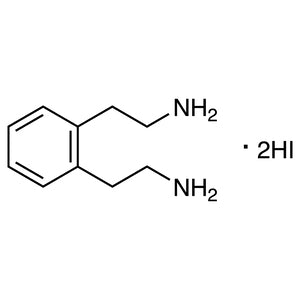
Dihydroiodide TCI B6569
Regular price From Rp 1.936.200,00Regular price -
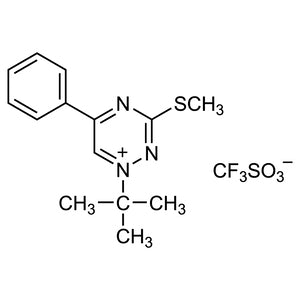
Trifluoromethanesulfonate TCI B7003
Regular price From Rp 1.936.200,00Regular price
![5,10-Bis(4,4,5,5-tetramethyl-1,3,2-dioxaborolan-2-yl)naphtho[1,2-c:5,6-c']bis([1,2,5]oxadiazole) - TCI B5774 - AMI Scientific](http://amiscientific.com/cdn/shop/files/TCI2510B5774.jpg?v=1769180228&width=533)