4,5-Diazafluorene-9-one O-(p-Toluenesulfonyl)oxime is a specialized chemical compound widely used in complex chemical reactions, particularly in the fields of catalysis and inorganic chemistry. This compound functions as a nitrogen-donor ligand, playing a crucial role in the formation of transition metal complexes. Its unique molecular structure allows it to interact effectively with various metal ions, making it an essential tool for researchers working on advanced synthetic processes. In laboratory settings, this compound is valued for its ability to stabilize reaction intermediates and enhance reactivity under controlled conditions.
The compound's stability under specific chemical conditions makes it a preferred choice for use in a variety of synthetic applications. Its ability to maintain structural integrity during reactions ensures consistent results, which is vital in both academic and industrial research. Additionally, its reactivity allows it to participate in substitution reactions and other complex chemical transformations. These properties make it a reliable and versatile reagent for laboratories requiring precise control over chemical processes.
In Indonesian laboratories, 4,5-Diazafluorene-9-one O-(p-Toluenesulfonyl)oxime is commonly used by chemists and scientists specializing in catalysis and inorganic chemistry. Its application is particularly relevant in research focused on developing new ligands and improving the efficiency of transition metal-based catalysts. This compound is essential for studies aiming to enhance reaction mechanisms and improve the performance of chemical processes in both academic and industrial settings.
TCI brochures (PDF)
- Ligands 2025-12-01 · p. 13
Related TCI products
- TCI D4255 50890-67-0 4,5-Diazafluoren-9-one
- TCI T2803 1080-44-0 N-(p-Toluenesulfonyl)glycine
- TCI T1985 2232-08-8 1-(p-Toluenesulfonyl)imidazole
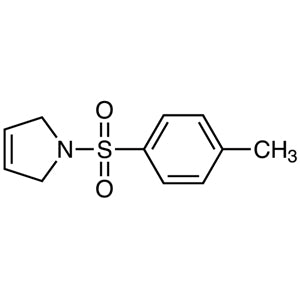
- TCI T1665 16851-72-2 N-(p-Toluenesulfonyl)-3-pyrroline
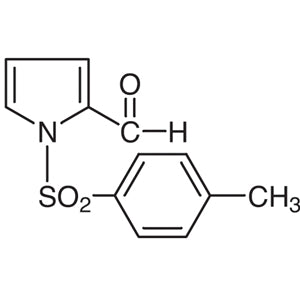
- TCI T1607 102619-05-6 1-(p-Toluenesulfonyl)pyrrole-2-carboxaldehyde
- TCI T1444 29739-88-6 N-(p-Toluenesulfonyl)-L-phenylalanyl Chloride [Optical Resolving Reagent for Alcohols]
- Transition Metal Complex Synthesis: This compound is ideal for forming stable transition metal complexes due to its nitrogen-donor functionality, which enhances coordination and reactivity in catalytic systems.
- Catalytic Reaction Optimization: Its ability to stabilize intermediates and improve reaction pathways makes it suitable for optimizing complex catalytic processes in synthetic chemistry.
- Ligand Development Research: It is frequently used in studies aimed at designing and testing new nitrogen-donor ligands for improved catalytic efficiency and selectivity.
- Organic Synthesis Reactions: The compound's reactivity allows it to participate in substitution and other complex reactions, making it valuable in organic synthesis applications.
- Inorganic Chemistry Studies: It is used in research involving the interaction of nitrogen-donor ligands with various metal ions, contributing to the understanding of coordination chemistry.
| Brand | TCI |
|---|---|
| CAS number | 1655490-79-1 |
| Molecular formula | — |
| Purity | — |
| Category | Chemistry > Catalysis and Inorganic Chemistry > Nitrogen-Donor Ligands [Catalysis] |
| Pack sizes | — |
| Physical form | — |
| Storage | — |
This compound should be stored in a cool, dry place away from direct sunlight and moisture. It is recommended to use airtight containers to prevent exposure to air and humidity, which could affect its stability. Proper labeling of storage containers is essential to ensure safe handling and prevent accidental contamination. In laboratory settings, it is important to follow standard safety protocols, including the use of personal protective equipment when handling the compound. Regular monitoring of storage conditions is advised to maintain the integrity and effectiveness of the material in research applications.
—
Produk Terkait
-
4,5-Diazafluoren-9-one TCI D4255
Regular price Rp 1.220.100,00Regular priceRp 868.350,00Sale price Rp 1.220.100,00 -
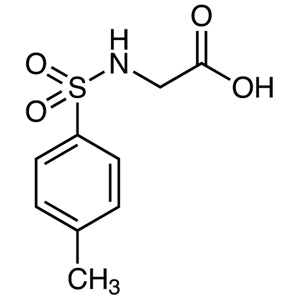
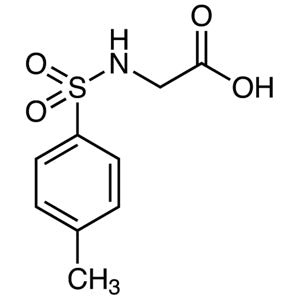
N-(p-Toluenesulfonyl)glycine TCI T2803
Regular price Rp 1.590.750,00Regular priceRp 1.127.700,00Sale price Rp 1.590.750,00 -
1-(p-Toluenesulfonyl)imidazole TCI T1985
Regular price Rp 1.140.300,00Regular priceRp 812.700,00Sale price Rp 1.140.300,00 -
N-(p-Toluenesulfonyl)-3-pyrroline TCI T1665
Regular price Rp 2.121.000,00Regular priceRp 1.498.350,00Sale price Rp 2.121.000,00 -
1-(p-Toluenesulfonyl)pyrrole-2-carboxaldehyde TCI T1607
Regular price Rp 4.320.750,00Regular priceRp 3.036.600,00Sale price Rp 4.320.750,00 -
N-(p-Toluenesulfonyl)-L-phenylalanylChloride[OpticalResolvingReagentforAlcohols] TCI T1444
Regular price Rp 928.200,00Regular priceRp 664.650,00Sale price Rp 928.200,00 -
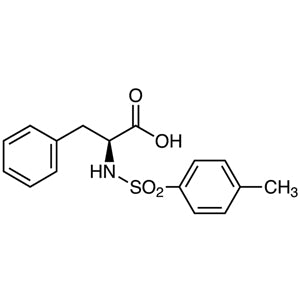
N-(p-Toluenesulfonyl)-L-phenylalanine TCI T1443
Regular price Rp 900.900,00Regular priceRp 645.750,00Sale price Rp 900.900,00 -
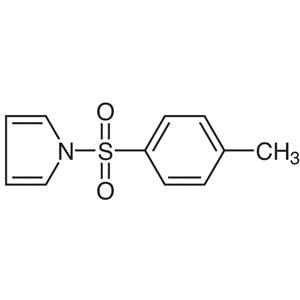
1-(p-Toluenesulfonyl)pyrrole TCI T1386
Regular price Rp 1.192.800,00Regular priceRp 849.450,00Sale price Rp 1.192.800,00


![29739-88-6 N-(p-Toluenesulfonyl)-L-phenylalanyl Chloride [Optical Resolving Reagent for Alcohols] - AMI Scientific](http://amiscientific.com/cdn/shop/files/TCI2510T1444.jpg?v=1767141615&width=533)