

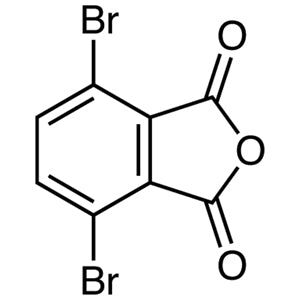
TCI D4724 3,6-Dibromophthalic Anhydride is a phthalic anhydride derivative carrying two bromine atoms at the 3 and 6 positions of its aromatic ring. As a non-heterocyclic building block, this material combines two distinct types of reactivity within a single molecule: an anhydride group that is highly reactive toward nucleophiles, and two aryl bromine atoms that are ready to be exploited in metal-catalysed reactions. In the laboratory, phthalic anhydrides are classical reagents for forming imides, amic acids, and diesters, while the added bromine substituents extend their usefulness into the field of conjugated organic materials synthesis.
The property that makes this material a preferred choice is the ease with which the anhydride group reacts with primary amines to form cyclic imides, typically through ring opening followed by ring closure on heating. This reaction is known to be reliable and gives readily reproducible results. Meanwhile, the bromine-substituted 3 and 6 positions sit symmetrically on the ring, making the compound well suited to two-directional extension of conjugation through cross-coupling reactions such as Suzuki, Sonogashira, or Stille couplings. This combination allows a single molecule to act simultaneously as a structural linker and as a reactive point for further elaboration.
In Indonesian laboratories, a bifunctional building block of this kind is typically used in organic synthesis and materials chemistry research groups at universities and research institutes, as well as in industrial R&D work where new intermediates are being developed. It suits laboratories that need to build larger conjugated frameworks step by step, since the anhydride and the two aryl bromides can be addressed in separate stages of a synthetic sequence.
- Cyclic imide synthesis — the anhydride group reacts readily with primary amines through ring opening followed by thermal ring closure, giving a reliable and reproducible route to substituted phthalimides.
- Suzuki cross-coupling — the two aryl bromine atoms at the symmetric 3 and 6 positions serve as handles for palladium-catalysed carbon–carbon bond formation in two directions from one core.
- Sonogashira coupling — the aryl bromides allow alkynyl groups to be installed on the aromatic ring, a common step in assembling rigid, linearly conjugated organic frameworks for materials research.
- Stille coupling — organostannane partners can be joined at both bromine positions, useful when preparing conjugated systems where the anhydride functionality must be preserved during coupling.
- Amic acid and diester preparation — nucleophilic attack on the anhydride by amines or alcohols provides classical access to amic acids and diesters while leaving both bromine substituents available for later metal-catalysed steps.
| Brand | TCI |
|---|---|
| CAS number | 25834-16-6 |
| Molecular formula | — |
| Purity | — |
| Category | Chemistry > Building Blocks > Non-Heterocyclic Building Blocks |
| Pack sizes | available in standard TCI catalogue pack sizes; please confirm the required quantity when ordering |
| Physical form | solid organic building block reagent |
| Storage | keep in a tightly closed container in a cool, dry place, protected from moisture |
- Product code: D4724
Store the material in its original tightly closed container in a cool, dry, and well-ventilated place, away from moisture and from sources of heat or ignition. As an acid anhydride, the compound is susceptible to hydrolysis on contact with water or humid air, so containers should be resealed promptly after use and handled in a dry environment where possible; a desiccator is suitable for smaller working portions. Use glass or other chemically compatible containers rather than reactive metal ware. Weigh and transfer the solid in a fume hood, and wear safety glasses, gloves, and a laboratory coat to avoid contact with skin, eyes, and respiratory tract. Keep the material separate from strong bases, amines, alcohols, oxidising agents, and any other incompatible substances. Always consult the manufacturer's safety data sheet before use, and dispose of residues and contaminated packaging in accordance with applicable chemical waste regulations.
—
Produk Terkait
-
3-BromophthalicAnhydride TCI B4061
Regular price From Rp 1.246.350,00Regular price -
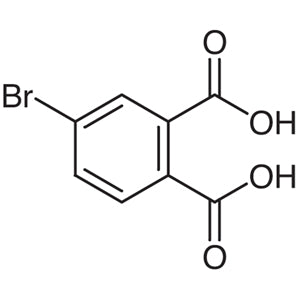
4-BromophthalicAcid TCI B2257
Regular price From Rp 584.850,00Regular price -
4-BromophthalicAnhydride TCI B1693
Regular price From Rp 2.386.650,00Regular price -
HomophthalicAcid TCI T0262
Regular price Rp 1.273.650,00Regular price -
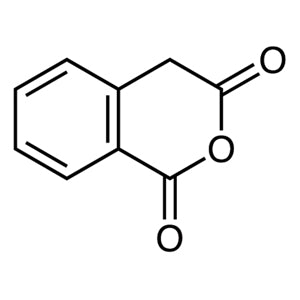
HomophthalicAnhydride TCI H1346
Regular price From Rp 1.035.300,00Regular price -
N-Bromophthalimide TCI B1697
Regular price From Rp 875.700,00Regular price -
ValericAnhydride TCI V0006
Regular price From Rp 875.700,00Regular price -
Bicyclo[2.2.2]oct-5-ene-2,3-dicarboxylicAnhydride TCI B3038
Regular price Rp 3.605.700,00Regular price





![6708-37-8 Bicyclo[2.2.2]oct-5-ene-2,3-dicarboxylic Anhydride - AMI Scientific](http://amiscientific.com/cdn/shop/files/TCI2510B3038.jpg?v=1767089273&width=533)