4-Bromophthalic Acid is a chemical compound widely used as a foundational material in various chemical reactions, particularly in the synthesis of heterocyclic compounds and complex organic molecules. Its role in the laboratory is critical for researchers aiming to develop new materials, pharmaceuticals, and chemical intermediates. As a non-heterocyclic building block, it provides a versatile platform for chemical modifications and functional group transformations. This compound is essential in both academic and industrial research settings due to its stability and reactivity.
The unique properties of 4-Bromophthalic Acid make it a preferred choice for chemical synthesis. The presence of a bromo group at the 4-position significantly enhances its reactivity, particularly in substitution and electrophilic reactions. This feature allows chemists to tailor its behavior in different reaction conditions. Additionally, its high melting point facilitates handling during heating and purification processes. These characteristics contribute to its reliability and effectiveness in laboratory applications.
In Indonesian laboratories, 4-Bromophthalic Acid is extensively used in chemical research across multiple disciplines. It plays a vital role in pharmaceutical development, material science, and organic chemistry studies. Its consistent chemical properties and predictable behavior make it a trusted reagent for both small-scale experiments and larger production processes. Researchers in Indonesia rely on this compound for its versatility and performance in various synthetic pathways.
TCI brochures (PDF)
- Organic Linker Molecules for Metal Organic Frameworks (MOFs) 2026-05-11 · p. 3
- Pharmaceutical research utilizes 4-Bromophthalic Acid for synthesizing drug compounds due to its reactivity and structural versatility.
- Organic chemistry experiments benefit from its role in functional group transformations and molecular modifications.
- Material science applications leverage its stability and reactivity for creating new polymers and composite materials.
- Industrial chemical synthesis relies on its predictable behavior for producing intermediates in large-scale manufacturing.
- Academic research employs it as a key reagent in teaching and experimental studies to demonstrate chemical reaction mechanisms.
| Brand | TCI |
|---|---|
| CAS number | 6968-28-1 |
| Molecular formula | — |
| Purity | — |
| Category | Chemistry > Building Blocks > Non-Heterocyclic Building Blocks |
| Pack sizes | Available in various quantities as per standard laboratory supply formats |
| Physical form | Solid |
| Storage | Store in a cool, dry place away from light and moisture |
4-Bromophthalic Acid should be stored in a cool, dry environment, away from direct sunlight and moisture. It is recommended to use airtight containers to prevent exposure to air and humidity. Due to its chemical nature, it should be handled with care, using appropriate personal protective equipment such as gloves and safety goggles. It is important to ensure good ventilation when working with this compound to avoid inhalation of vapors. Avoid contact with skin and eyes, and keep it away from incompatible materials. Proper storage and handling practices help maintain its chemical integrity and ensure safe laboratory operations.
—
Product Categories
- Organic-Inorganic Hybrid MaterialsMetal Organic Frameworks (MOF) and Their Raw MaterialsOrganic Linker Molecules [Metal Organic Frameworks (MOFs) Precursors]
- Polymer/Macromolecule ReagentsMetal Organic Frameworks (MOF) and Their Raw MaterialsOrganic Linker Molecules [Metal Organic Frameworks (MOFs) Precursors]
Produk Terkait
-
3-BromophthalicAnhydride TCI B4061
Regular price From Rp 1.246.350,00Regular priceRp 871.500,00Sale price From Rp 1.246.350,00 -
4-BromophthalicAnhydride TCI B1693
Regular price From Rp 2.386.650,00Regular priceRp 1.668.450,00Sale price From Rp 2.386.650,00 -
N-Bromophthalimide TCI B1697
Regular price From Rp 928.200,00Regular priceRp 664.650,00Sale price From Rp 928.200,00 -
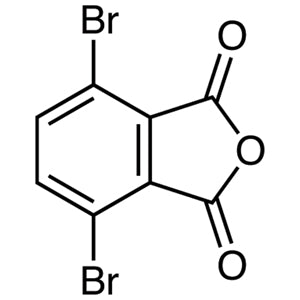
3,6-DibromophthalicAnhydride TCI D4724
Regular price From Rp 3.155.250,00Regular priceRp 2.206.050,00Sale price From Rp 3.155.250,00 -
IsophthalicAcid TCI I0155
Regular price From Rp 477.750,00Regular priceRp 333.900,00Sale price From Rp 477.750,00 -
HomophthalicAcid TCI T0262
Regular price Rp 1.273.650,00Regular priceRp 890.400,00Sale price Rp 1.273.650,00 -
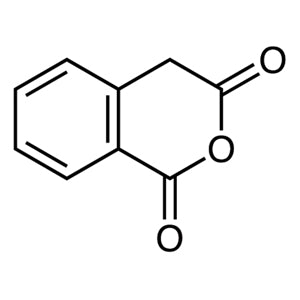
HomophthalicAnhydride TCI H1346
Regular price From Rp 1.035.300,00Regular priceRp 723.450,00Sale price From Rp 1.035.300,00 -
AcetylenedicarboxylicAcid TCI A0088
Regular price From Rp 1.220.100,00Regular priceRp 868.350,00Sale price From Rp 1.220.100,00