Bicyclo[2.2.2]oct-5-ene-2,3-dicarboxylic anhydride is a chemical compound widely used in organic reactions as a building block or reagent. This compound is part of the non-heterocyclic building blocks category and is commonly utilized in the synthesis of aromatic and heterocyclic compounds. Its cyclic structure and anhydride functionality make it a versatile reagent in various chemical processes. In the laboratory, it plays a crucial role in the development of functional compounds, including pharmaceuticals, industrial chemicals, and other organic derivatives.
The compound is known for its chemical stability under controlled conditions, although it is highly reactive towards water and heat. These properties make it ideal for reactions that require precise environmental control. Its anhydride nature enables it to participate in esterification and amide formation reactions, which are fundamental in the synthesis of complex organic molecules. This reactivity and functionality make it a preferred choice for chemists working on synthetic pathways.
In Indonesian laboratories, this compound is frequently used in organic chemistry research, particularly by educational institutions and research organizations focused on the synthesis of new compounds. Its availability in the local market supports researchers in conducting experiments that require specialized reagents. Its role in both academic and industrial research contexts underscores its importance in the chemical sciences.
Related TCI products
- TCI N0331 826-62-0 5-Norbornene-2,3-dicarboxylic Anhydride
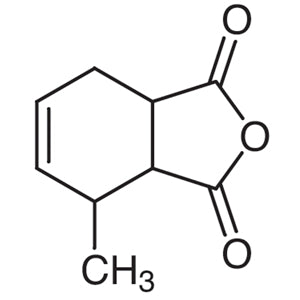
- TCI M1190 5333-84-6 3-Methyl-4-cyclohexene-1,2-dicarboxylic Anhydride
- TCI M0690 25134-21-8 Methyl-5-norbornene-2,3-dicarboxylic Anhydride (mixture of isomers)
- TCI M0683 11070-44-3 Methylcyclohexene-1,2-dicarboxylic Anhydride (mixture of isomers)
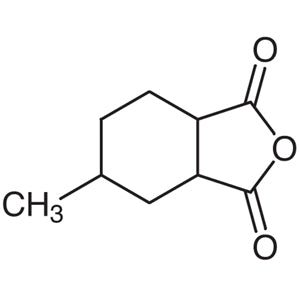
- TCI M0567 19438-60-9 4-Methylcyclohexane-1,2-dicarboxylic Anhydride (cis- and trans- mixture)
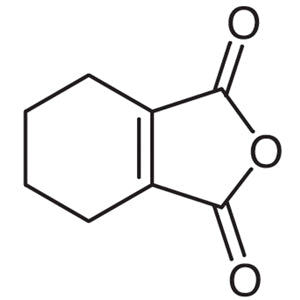
- TCI C1701 2426-02-0 1-Cyclohexene-1,2-dicarboxylic Anhydride
- Organic synthesis of aromatic and heterocyclic compounds due to its anhydride functionality and cyclic structure.
- Esterification and amide formation reactions as a key reagent in the production of complex organic molecules.
- Development of pharmaceuticals and industrial chemicals through controlled chemical reactions in laboratory settings.
- Research in functional compound synthesis by academic and research institutions in Indonesia.
- Preparation of specialized reagents for advanced chemical processes requiring high reactivity and stability.
| Brand | TCI |
|---|---|
| CAS number | 6708-37-8 |
| Molecular formula | — |
| Purity | — |
| Category | Chemistry > Building Blocks > Non-Heterocyclic Building Blocks |
| Pack sizes | Available in standard laboratory quantities |
| Physical form | Solid |
| Storage | Store in a cool, dry place away from moisture and heat |
This compound should be stored in a cool, dry environment to maintain its chemical stability. It is essential to keep it away from moisture and heat to prevent degradation. Suitable containers include airtight, moisture-proof containers to minimize exposure to humidity. Due to its reactivity with water, it should be handled in a well-ventilated area, preferably under a fume hood. General laboratory precautions include wearing appropriate personal protective equipment, such as gloves and safety goggles, when handling the compound. Proper labeling of storage containers is also recommended to ensure safe handling and prevent accidental exposure.
—
Produk Terkait
-
5-Norbornene-2,3-dicarboxylicAnhydride TCI N0331
Regular price From Rp 477.750,00Regular priceRp 333.900,00Sale price From Rp 477.750,00 -
3-Methyl-4-cyclohexene-1,2-dicarboxylicAnhydride TCI M1190
Regular price From Rp 4.877.250,00Regular priceRp 3.410.400,00Sale price From Rp 4.877.250,00 -
Methyl-5-norbornene-2,3-dicarboxylicAnhydride(mixtureofisomers) TCI M0690
Regular price From Rp 505.050,00Regular priceRp 352.800,00Sale price From Rp 505.050,00 -
Methylcyclohexene-1,2-dicarboxylicAnhydride(mixtureofisomers) TCI M0683
Regular price From Rp 875.700,00Regular priceRp 612.150,00Sale price From Rp 875.700,00 -
4-Methylcyclohexane-1,2-dicarboxylicAnhydride(cis-andtrans-mixture) TCI M0567
Regular price From Rp 530.250,00Regular priceRp 370.650,00Sale price From Rp 530.250,00 -
1-Cyclohexene-1,2-dicarboxylicAnhydride TCI C1701
Regular price From Rp 1.298.850,00Regular priceRp 908.250,00Sale price From Rp 1.298.850,00 -
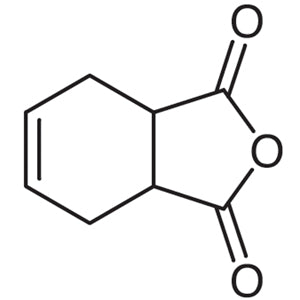
cis-4-Cyclohexene-1,2-dicarboxylicAnhydride TCI C0493
Regular price From Rp 477.750,00Regular priceRp 333.900,00Sale price From Rp 477.750,00 -
Bicyclo[1.1.1]pentane-1,3-dicarboxylicAcid TCI B6522
Regular price Rp 4.797.450,00Regular priceRp 3.354.750,00Sale price Rp 4.797.450,00