TCI D5013 1,1'-Dibutyl-3,3,3',3'-tetramethylindotricarbocyanine Hexafluorophosphate is a specialized cyanine dye known for its unique optical properties. This compound is widely used in laboratory settings for its ability to emit light at specific wavelengths, making it an essential component in various photonic and optical applications. Its role in the laboratory extends beyond basic research, supporting advanced studies in material science and optical engineering. Due to its high fluorescence efficiency, it is particularly valuable for applications requiring precise optical responses and spectral analysis.
The compound’s molecular structure enables it to exhibit strong fluorescence, which is a key factor in its popularity among researchers. Its stability under certain conditions and resistance to chemical degradation further enhance its reliability in repeated use. These properties make it a preferred choice for laboratories seeking consistent and reproducible results. Additionally, its compatibility with various solvents and its ability to maintain structural integrity over time contribute to its versatility in different experimental setups.
In Indonesian laboratories, this compound is commonly used in research related to optical materials, sensors, and imaging technologies. Its strong fluorescence and stability make it a go-to material for developing advanced optical devices and conducting spectroscopic analyses. Researchers in Indonesia often rely on this compound for its performance and reliability, ensuring accurate and high-quality results in their studies.
Related TCI products
- TCI T3457 372081-65-7 1,1,2,3-Tetramethyl-1H-benzo[e]indolium Hexafluorophosphate
- TCI B2320 174501-64-5 1-Butyl-3-methylimidazolium Hexafluorophosphate
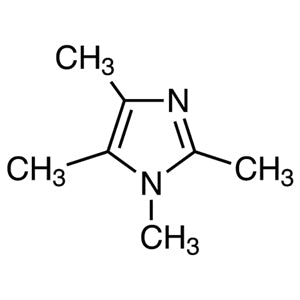
- TCI T0971 1739-83-9 1,2,4,5-Tetramethylimidazole
- TCI S0981 26042-63-7 Silver Hexafluorophosphate
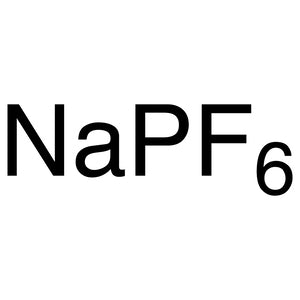
- TCI S0392 21324-39-0 Sodium Hexafluorophosphate
- TCI P1023 17084-13-8 Potassium Hexafluorophosphate
- Optical imaging applications benefit from this dye due to its strong fluorescence and specific emission wavelengths, enabling high-resolution imaging in biomedical and material science research.
- Sensor development utilizes this compound for its sensitivity to environmental changes, allowing for the creation of optical sensors that detect chemical or physical variations with high accuracy.
- Photonic material research incorporates this dye to enhance the optical properties of materials, leading to improved performance in optical devices and light-emitting technologies.
- Spectroscopic analysis relies on this compound for its ability to emit light at precise wavelengths, facilitating detailed spectral studies and analytical measurements.
- Imaging technologies in Indonesian laboratories use this dye to achieve enhanced contrast and clarity, supporting advanced research in biomedical and nanotechnology fields.
| Brand | TCI |
|---|---|
| CAS number | 134339-08-5 |
| Molecular formula | — |
| Purity | — |
| Category | Materials Science > Photonic Materials and Optical Materials > Cyanine Dyes, Squarylium Dyes |
| Pack sizes | — |
| Physical form | — |
| Storage | Store in a cool, dry place away from light and moisture |
This compound should be stored in a cool, dry environment, away from direct light and moisture to maintain its stability and optical properties. It is recommended to use airtight containers to prevent exposure to air and contaminants that may affect its performance. Due to its chemical nature, it should be handled with care, using appropriate personal protective equipment such as gloves and safety goggles. Avoid contact with skin and eyes, and ensure proper ventilation in the workspace. The compound is generally stable under standard laboratory conditions, making it suitable for long-term storage and repeated use in research applications. Always follow standard laboratory safety protocols when working with this material.
—
Produk Terkait
-
1,1,2,3-Tetramethyl-1H-benzo[e]indoliumHexafluorophosphate TCI T3457
Regular price Rp 1.087.800,00Regular priceRp 775.950,00Sale price Rp 1.087.800,00 -
1-Butyl-3-methylimidazoliumHexafluorophosphate TCI B2320
Regular price From Rp 1.431.150,00Regular price -
1,2,4,5-Tetramethylimidazole TCI T0971
Regular price Rp 6.386.100,00Regular priceRp 4.481.400,00Sale price Rp 6.386.100,00 -
SilverHexafluorophosphate TCI S0981
Regular price Rp 1.829.100,00Regular priceRp 1.278.900,00Sale price Rp 1.829.100,00 -
SodiumHexafluorophosphate TCI S0392
Regular price Rp 2.121.000,00Regular priceRp 1.482.600,00Sale price Rp 2.121.000,00 -
PotassiumHexafluorophosphate TCI P1023
Regular price Rp 689.850,00Regular priceRp 481.950,00Sale price Rp 689.850,00 -
1-Methyl-1H-imidazol-3-iumHexafluorophosphate TCI M3211
Regular price Rp 1.934.100,00Regular priceRp 1.368.150,00Sale price Rp 1.934.100,00 -
MethylammoniumHexafluorophosphate TCI M2989
Regular price Rp 1.670.550,00Regular priceRp 1.167.600,00Sale price Rp 1.670.550,00
![372081-65-7 1,1,2,3-Tetramethyl-1H-benzo[e]indolium Hexafluorophosphate - AMI Scientific](http://amiscientific.com/cdn/shop/files/TCI2510T3457.jpg?v=1767144125&width=533)