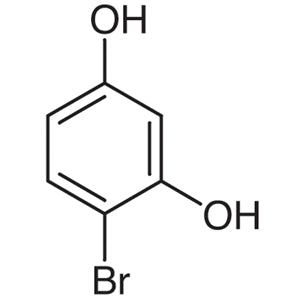
4,6-Diacetylresorcinol is a chemical compound widely used in laboratory settings for the synthesis of complex molecules. It serves as a key building block in organic chemistry, particularly in the development of heterocyclic compounds and other structurally intricate substances. This compound is commonly found in chemical laboratories as a precursor for various synthetic reactions, including substitution and condensation reactions. Its role is critical in the creation of new chemical entities, making it an essential tool for researchers and chemists.
The compound is valued for its solubility in organic solvents such as ethyl acetate and methanol, which facilitates its use in a wide range of chemical processes. Its stability under controlled laboratory conditions ensures reliable results in experimental setups. Additionally, its molecular structure provides high reactivity, making it a preferred choice for applications that require both stability and reactivity. These characteristics make it a versatile reagent in organic synthesis.
In Indonesian laboratories, 4,6-Diacetylresorcinol is commonly used in academic and research institutions for the development of new chemical compounds. Its relevance extends to the study of heterocyclic structures and the synthesis of bioactive molecules. It is particularly useful in projects focused on the creation of compounds with potential pharmaceutical or industrial applications. Its availability and chemical properties make it a valuable resource for chemical research in Indonesia.
- Synthesis of heterocyclic compounds requiring a stable structural base due to its molecular framework and reactivity.
- Development of bioactive molecules as it supports the formation of complex structures with potential pharmaceutical applications.
- Organic reaction studies where substitution and condensation reactions are required due to its chemical versatility.
- Research in chemical synthesis for the creation of new compounds with specific functional groups.
- Educational purposes in chemistry laboratories for teaching and demonstrating synthetic methodologies.
| Brand | TCI |
|---|---|
| CAS number | 2161-85-5 |
| Molecular formula | — |
| Purity | — |
| Category | Chemistry > Building Blocks > Non-Heterocyclic Building Blocks |
| Pack sizes | Available in standard laboratory quantities as per supplier specifications |
| Physical form | Solid, crystalline appearance |
| Storage | Store in a cool, dry place away from direct sunlight and moisture |
4,6-Diacetylresorcinol should be stored in a cool, dry environment to maintain its chemical stability. It is recommended to keep it in airtight containers to prevent exposure to moisture and air. The compound is generally stable under normal laboratory conditions but should be handled with care to avoid contamination. It is advisable to store it in a well-ventilated area to ensure safe handling. Proper labeling of containers is essential for safety and identification. Laboratory personnel should follow standard chemical handling protocols when working with this compound to ensure safe and effective use.
—
Produk Terkait
-
ResorcinolMonoacetate TCI R0009
Regular price From Rp 557.550,00Regular priceRp 389.550,00Sale price From Rp 557.550,00 -
2-Iodoresorcinol TCI I0788
Regular price From Rp 1.644.300,00Regular priceRp 1.149.750,00Sale price From Rp 1.644.300,00 -
5-Bromoresorcinol TCI B3731
Regular price From Rp 2.730.000,00Regular priceRp 1.908.900,00Sale price From Rp 2.730.000,00 -
4-Bromoresorcinol TCI B0654
Regular price From Rp 3.207.750,00Regular priceRp 2.242.800,00Sale price From Rp 3.207.750,00 -
2-Bromoresorcinol TCI B5737
Regular price From Rp 928.200,00Regular priceRp 648.900,00Sale price From Rp 928.200,00 -
2-Chlororesorcinol TCI C3772
Regular price From Rp 1.988.700,00Regular priceRp 1.390.200,00Sale price From Rp 1.988.700,00