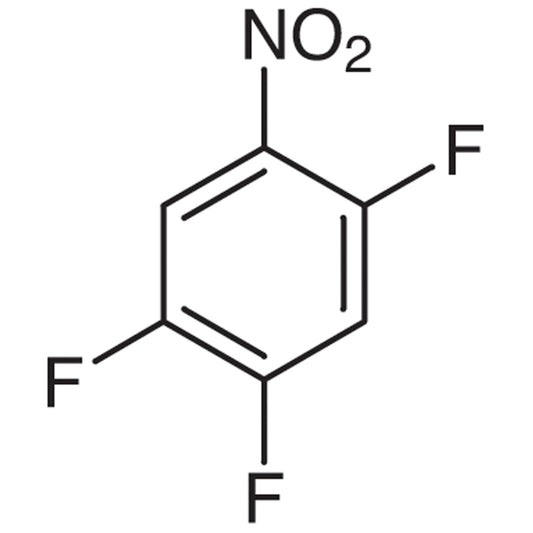
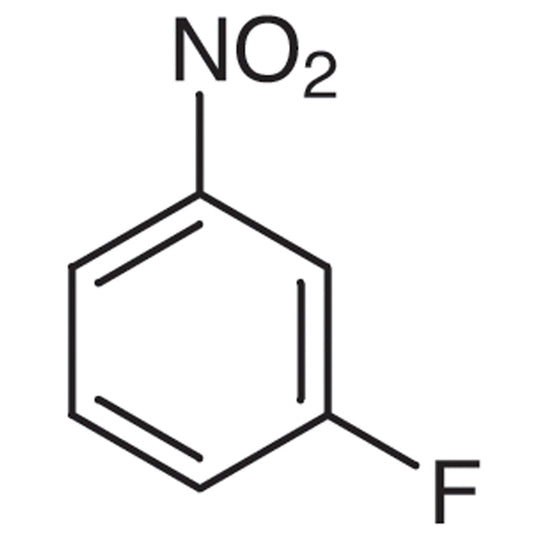
2,3-Dimethyl-4-fluoronitrobenzene is a chemical compound widely used in organic synthesis reactions within laboratory settings. This compound serves as a key building block in the development of complex aromatic structures, offering versatility in chemical reactions. It is commonly utilized in research and development projects that require precise molecular manipulation. Its unique chemical structure makes it a valuable resource for chemists working in various fields, including pharmaceuticals and materials science.
The compound’s molecular structure features both fluorine and nitro substituents, which contribute to its reactivity and stability. These properties make it ideal for substitution and electrophilic reactions, where controlled reactivity is essential. The presence of fluorine enhances its compatibility with certain synthetic pathways, while the nitro group provides additional functional versatility. As a result, it is a preferred choice for chemists seeking to synthesize complex molecules with specific structural requirements.
In Indonesian laboratories, 2,3-Dimethyl-4-fluoronitrobenzene is frequently used in organic chemistry research, particularly in projects involving fluorinated and nitro-substituted compounds. It is also employed in educational settings to train students in synthesis techniques and chemical manipulation. Its role in both research and teaching underscores its importance in the chemical sciences. The compound supports the development of new materials and pharmaceutical compounds, making it a staple in modern chemical laboratories.
Related TCI products
- Organic synthesis of complex aromatic compounds due to its fluorinated and nitro groups enabling targeted chemical modifications.
- Pharmaceutical research for the development of new drugs requiring specific molecular structures with functional groups.
- Material science applications in creating advanced polymers and specialty chemicals with tailored properties.
- Educational use in teaching organic chemistry, providing hands-on experience with synthetic techniques and molecular manipulation.
- Industrial research for the production of specialty chemicals and intermediates in chemical manufacturing processes.
| Brand | TCI |
|---|---|
| CAS number | 1736-87-4 |
| Molecular formula | — |
| Purity | — |
| Category | Chemistry > Building Blocks > Fluorinated Building Blocks |
| Pack sizes | Available in various quantities as per standard laboratory supply requirements |
| Physical form | Solid (exact form may vary based on supplier packaging) |
| Storage | Store in a cool, dry place away from direct sunlight and incompatible materials |
This compound should be stored in a cool, dry environment to maintain its chemical integrity. It is recommended to use airtight containers to prevent exposure to moisture and air, which may affect its stability. Due to its chemical nature, it should be kept away from incompatible substances such as strong bases or reducing agents. Proper labeling and storage in a designated chemical storage area are essential for safety. Laboratory personnel should wear appropriate personal protective equipment when handling the compound to minimize exposure risks. Regular inspection of storage conditions ensures the compound remains suitable for use in research and educational applications.
—
Produk Terkait
-
3,4,5-Trifluoronitrobenzene TCI T2357
Regular price From Rp 875.700,00Regular price -
2,4,6-Trifluoronitrobenzene TCI T1681
Regular price From Rp 1.696.800,00Regular price -
2,4,5-Trifluoronitrobenzene TCI T1589
Regular price From Rp 1.008.000,00Regular price -
2,3,4-Trifluoronitrobenzene TCI T1539
Regular price From Rp 477.750,00Regular price -
4-Bromo-2,5-difluoronitrobenzene TCI B3926
Regular price From Rp 1.538.250,00Regular price -
Pentafluoronitrobenzene TCI P1228
Regular price From Rp 2.332.050,00Regular price -
3-Fluoronitrobenzene TCI F0110
Regular price Rp 1.856.400,00Regular price -
4-Fluoronitrobenzene TCI F0105
Regular price From Rp 769.650,00Regular price