N,N-Dimethyl-1,3-propanediamine Dihydroiodide is a chemical compound widely used as a building block in the synthesis of complex organic compounds. This reagent plays a crucial role in laboratory settings where organic synthesis is required, particularly in reactions involving iodide ions as catalysts or structural components. Its versatility makes it an essential tool for chemists working on a variety of molecular structures, including heterocyclic compounds and polymers. Due to its chemical stability under controlled conditions, it is a reliable choice for many synthetic pathways.
The compound’s reactivity and ability to act as an electron donor make it a preferred choice in substitution and redox reactions. Its molecular structure allows it to participate in multiple reaction mechanisms, enhancing its utility in synthetic chemistry. The presence of iodide ions also contributes to its effectiveness in catalytic processes, making it a valuable reagent for researchers aiming to optimize reaction efficiency and yield. Its chemical properties ensure that it remains a key component in many laboratory workflows.
In Indonesian laboratories, this compound is extensively used in organic chemistry research, particularly in academic and research institutions. It is integral to the development of new compounds with potential applications in pharmaceuticals and materials science. Its role in supporting advanced chemical synthesis makes it a fundamental reagent in both educational and industrial research settings.
TCI brochures (PDF)
- Organic-Inorganic Perovskite Precursors 2026-09-01 · p. 6
- Solar Cell Materials 2026-04-21 · p. 5
Related TCI products
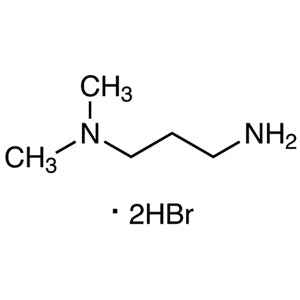
- TCI D5618 2710685-13-3 N,N-Dimethyl-1,3-propanediamine Dihydrobromide
- TCI D5617 52198-63-7 N,N-Dimethyl-1,3-propanediamine Dihydrochloride
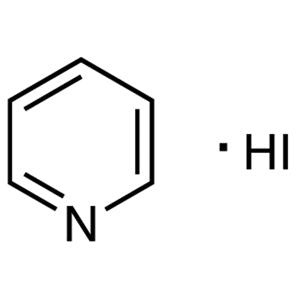
- TCI P2672 18820-83-2 Pyridine Hydroiodide
- TCI D6035 20208-23-5 Hexane-1,6-diamine Dihydroiodide
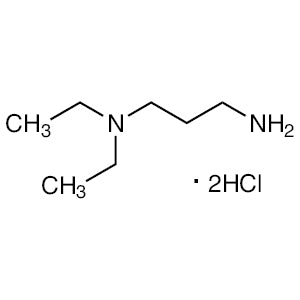
- TCI D5861 99310-71-1 N,N-Diethyl-1,3-propanediamine Dihydrochloride
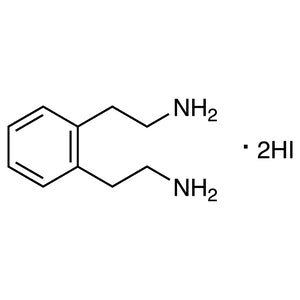
- TCI B6569 2,2'-(1,2-Phenylene)bis(ethan-1-amine) Dihydroiodide
- Organic synthesis is enhanced by this compound’s ability to act as a versatile building block in complex molecule creation.
- Redox reactions benefit from its electron-donating properties, enabling efficient electron transfer processes.
- Polymer synthesis can utilize its structural characteristics to form stable and functional polymers.
- Catalytic processes are supported by the presence of iodide ions, improving reaction efficiency and selectivity.
- Heterocyclic compound formation is facilitated by its reactivity and compatibility with various synthetic pathways.
| Brand | TCI |
|---|---|
| CAS number | 2561497-43-4 |
| Molecular formula | — |
| Purity | — |
| Category | Chemistry > Building Blocks > Non-Heterocyclic Building Blocks |
| Pack sizes | Available in various quantities as per standard supplier offerings |
| Physical form | Solid or crystalline, depending on the specific product formulation |
| Storage | Store in a cool, dry place away from moisture and direct light |
This compound should be stored in a cool, dry environment to maintain its chemical stability. It is recommended to use airtight containers to prevent exposure to moisture and air, which may affect its reactivity. Laboratory personnel should handle it with care, using appropriate personal protective equipment such as gloves and safety goggles. Due to its reactivity, it should be kept away from incompatible substances like strong oxidizing agents. Proper ventilation is essential when working with this material to ensure a safe laboratory environment. Storage conditions should be monitored regularly to maintain optimal chemical integrity.
—
Product Categories
Produk Terkait
-
N,N-Dimethyl-1,3-propanediamineDihydrobromide TCI D5618
Regular price From Rp 743.400,00Regular priceRp 519.750,00Sale price From Rp 743.400,00 -
N,N-Dimethyl-1,3-propanediamineDihydrochloride TCI D5617
Regular price From Rp 743.400,00Regular priceRp 519.750,00Sale price From Rp 743.400,00 -
PyridineHydroiodide TCI P2672
Regular price Rp 2.279.550,00Regular priceRp 1.593.900,00Sale price Rp 2.279.550,00 -
Hexane-1,6-diamineDihydroiodide TCI D6035
Regular price From Rp 848.400,00Regular priceRp 593.250,00Sale price From Rp 848.400,00 -
N,N-Diethyl-1,3-propanediamineDihydrochloride TCI D5861
Regular price Rp 1.724.100,00Regular priceRp 1.205.400,00Sale price Rp 1.724.100,00 -
Dihydroiodide TCI B6569
Regular price From Rp 1.988.700,00Regular priceRp 1.405.950,00Sale price From Rp 1.988.700,00 -
1,4-DiaminobutaneDihydroiodide TCI D5686
Regular price From Rp 928.200,00Regular priceRp 648.900,00Sale price From Rp 928.200,00 -
N,N-DimethylethylenediamineDihydroiodide TCI D5616
Regular price From Rp 795.900,00Regular priceRp 556.500,00Sale price From Rp 795.900,00