


N,N-Diethyl-1,3-propanediamine Dihydrochloride is a chemical compound widely used in laboratory settings as a building block for various chemical reactions. It serves as a versatile reagent or catalyst in the synthesis of complex organic compounds, playing a crucial role in the development of pharmaceuticals and industrial chemicals. Its molecular structure enables high reactivity, making it an essential component in the creation of functional groups and the modification of organic molecules. This compound is particularly valuable for its ability to interact with a wide range of functional groups, enhancing its utility in synthetic chemistry.
The compound's amphoteric nature allows it to act as a buffering agent or pH regulator in specific reactions, providing control over reaction conditions. This property makes it ideal for applications requiring precise pH management or tailored reactivity. Additionally, its stability and solubility in various solvents contribute to its reliability in experimental protocols. These characteristics make it a preferred choice for chemists seeking a flexible and effective reagent in their work.
In Indonesian laboratories, N,N-Diethyl-1,3-propanediamine Dihydrochloride is commonly used in both fundamental and applied research. It is a staple in chemical synthesis experiments, pharmaceutical development, and studies on molecular reactivity. Its availability in the local market supports ongoing research efforts, enabling scientists to conduct experiments efficiently and effectively. The compound's consistent performance and adaptability make it a trusted resource for researchers across various scientific disciplines.
- Organic synthesis: This compound is frequently used in the synthesis of complex organic molecules due to its ability to form stable intermediates and participate in various reaction mechanisms.
- Pharmaceutical research: It is employed in the development of new drugs as a building block for synthesizing active pharmaceutical ingredients and functionalized compounds.
- pH regulation in reactions: Its amphoteric nature allows it to act as a buffer, making it suitable for reactions that require controlled pH environments.
- Functional group modification: The compound’s reactivity enables it to be used in the modification of existing functional groups in organic molecules.
- Analytical chemistry: It is used in the preparation of reagents and standards for analytical procedures, ensuring accurate and reproducible results.
| Brand | TCI |
|---|---|
| CAS number | 99310-71-1 |
| Molecular formula | — |
| Purity | — |
| Category | Chemistry > Building Blocks > Non-Heterocyclic Building Blocks |
| Pack sizes | Available in multiple sizes to suit different laboratory needs |
| Physical form | Solid powder |
| Storage | Store in a cool, dry place away from moisture and direct sunlight |
This compound should be stored in a cool, dry environment to maintain its chemical integrity and prevent degradation. It is recommended to use airtight containers to protect it from moisture and humidity, which can affect its stability. As it is a solid powder, it should be handled with care to avoid inhalation or skin contact. In laboratory settings, it is advisable to use appropriate personal protective equipment, such as gloves and safety goggles, when handling the compound. Proper ventilation should be maintained in the workspace to ensure safe handling and minimize exposure. Regular monitoring of storage conditions is essential to ensure the compound remains in optimal condition for use in experiments.
—
Produk Terkait
-
N,N-Diethyl-1,2-ethanediamineDihydrochloride TCI D5860
Regular price Rp 1.829.100,00Regular price -
N,N-Dimethyl-1,3-propanediamineDihydrochloride TCI D5617
Regular price From Rp 743.400,00Regular price -
N,N-Dimethyl-1,3-propanediamineDihydroiodide TCI D5619
Regular price From Rp 1.035.300,00Regular price -
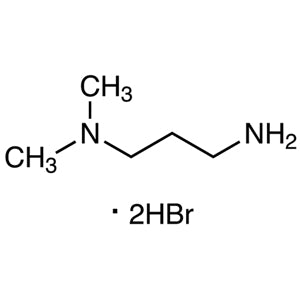
N,N-Dimethyl-1,3-propanediamineDihydrobromide TCI D5618
Regular price From Rp 743.400,00Regular price -
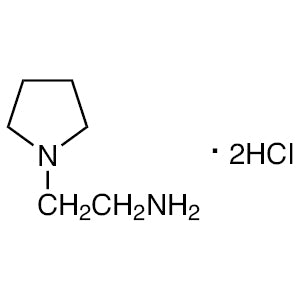
2-(1-Pyrrolidinyl)ethanamineDihydrochloride TCI A3393
Regular price Rp 1.881.600,00Regular price -
1,4-Diazabicyclo[2.2.2]octaneDihydrochloride TCI D5251
Regular price From Rp 1.908.900,00Regular price -
PiperazineDihydrochloride TCI P2491
Regular price From Rp 848.400,00Regular price -
1,3-DiaminopropaneDihydrochloride(Lowwatercontent) TCI D5253
Regular price From Rp 1.405.950,00Regular price


![1,4-Diazabicyclo[2.2.2]octane Dihydrochloride (CAS 49563-87-3) - TCI D5251 - AMI Scientific](http://amiscientific.com/cdn/shop/files/TCI2510D5251.jpg?v=1767108553&width=533)

