

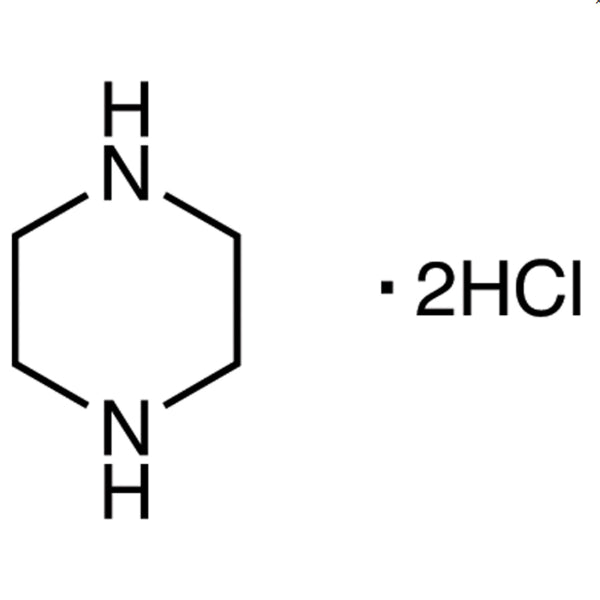
Piperazine Dihydrochloride (CAS 142-64-3) is a chemical compound widely used in scientific research, particularly in the field of materials science. This material plays a crucial role in laboratory settings where the development of advanced materials is required. Its unique chemical structure, featuring a piperazine ring, allows it to act as a molecular linker in various material systems. In the context of perovskite solar cell (PSC) research, Piperazine Dihydrochloride is a key component used to facilitate the synthesis of perovskite materials. It contributes to the structural integrity and performance of these materials, making it an essential reagent for researchers working on next-generation photovoltaic technologies.
The chemical properties of Piperazine Dihydrochloride make it a preferred choice in laboratory applications. It exhibits chemical stability under specific conditions and has the ability to form complexes with various metal ions. These characteristics enable it to function as a binding agent or structural modifier during the synthesis of perovskite materials. Additionally, its solubility in organic solvents simplifies the mixing and processing of materials, which is critical for achieving uniform and high-quality thin films. These properties collectively enhance its utility in material synthesis and functional device fabrication.
In Indonesian laboratories, Piperazine Dihydrochloride is commonly used by researchers in the fields of renewable energy and materials science. It is an essential component in the development of perovskite solar cells, which are part of ongoing efforts to create more efficient and sustainable energy solutions. Its availability and reliability make it a go-to material for scientists working on advanced photovoltaic technologies in Indonesia.
TCI brochures (PDF)
- Polyamines 2025-10-21 · p. 3
- Solar Cell Materials 2026-04-21 · p. 7
Related TCI products
- TCI P2492 58464-47-4 Piperazine Dihydriodide
- TCI P2490 59813-05-7 Piperazine Dihydrobromide
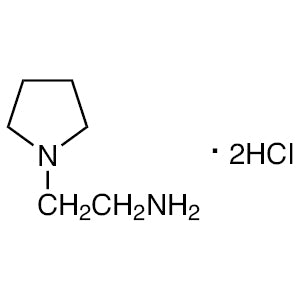
- TCI A3393 65592-36-1 2-(1-Pyrrolidinyl)ethanamine Dihydrochloride
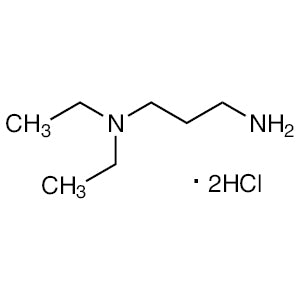
- TCI D5861 99310-71-1 N,N-Diethyl-1,3-propanediamine Dihydrochloride
- TCI D5860 52198-62-6 N,N-Diethyl-1,2-ethanediamine Dihydrochloride
- TCI D5617 52198-63-7 N,N-Dimethyl-1,3-propanediamine Dihydrochloride
- Perovskite Solar Cell Fabrication: Piperazine Dihydrochloride is used to enhance the structural and electronic properties of perovskite materials, contributing to the efficiency of solar cells.
- Material Synthesis and Processing: Its solubility in organic solvents makes it ideal for preparing uniform and stable perovskite films, essential for thin-film deposition techniques.
- Functional Material Development: The compound's ability to form complexes with metal ions supports the creation of novel materials with tailored electronic and optical properties.
- Thin-Film Deposition Studies: It serves as a key reagent in the preparation of perovskite layers, enabling precise control over the morphology and performance of the resulting films.
- Research in Renewable Energy Technologies: Its role in perovskite solar cell development aligns with the goals of advancing sustainable and efficient energy solutions in Indonesia.
| Brand | TCI |
|---|---|
| CAS number | 142-64-3 |
| Molecular formula | — |
| Purity | — |
| Category | Materials Science > Electronic Materials > Perovskite Solar Cell (PSC) Materials |
| Pack sizes | Available in various quantities as per supplier specifications |
| Physical form | Solid powder |
| Storage | Store in a cool, dry place away from moisture and direct sunlight |
Piperazine Dihydrochloride should be stored in a cool, dry environment to maintain its chemical stability. It is recommended to keep it in a sealed container to prevent exposure to moisture and air, which could affect its performance. The compound is typically stored in a well-ventilated laboratory area, away from incompatible materials such as strong oxidizing agents. Due to its chemical nature, it is important to handle it with appropriate personal protective equipment, including gloves and safety goggles. While it is not classified as a hazardous substance under standard conditions, proper handling and storage practices should be followed to ensure the safety of laboratory personnel and the integrity of the material.
—
Produk Terkait
-
PiperazineDihydriodide TCI P2492
Regular price From Rp 955.500,00Regular price -
PiperazineDihydrobromide TCI P2490
Regular price From Rp 980.700,00Regular price -
2-(1-Pyrrolidinyl)ethanamineDihydrochloride TCI A3393
Regular price Rp 1.881.600,00Regular price -
N,N-Diethyl-1,3-propanediamineDihydrochloride TCI D5861
Regular price Rp 1.724.100,00Regular price -
N,N-Diethyl-1,2-ethanediamineDihydrochloride TCI D5860
Regular price Rp 1.829.100,00Regular price -
N,N-Dimethyl-1,3-propanediamineDihydrochloride TCI D5617
Regular price From Rp 743.400,00Regular price -
1,3-DiaminopropaneDihydrochloride(Lowwatercontent) TCI D5253
Regular price From Rp 1.405.950,00Regular price -
1,4-Diazabicyclo[2.2.2]octaneDihydrochloride TCI D5251
Regular price From Rp 1.908.900,00Regular price




![1,4-Diazabicyclo[2.2.2]octane Dihydrochloride (CAS 49563-87-3) - TCI D5251 - AMI Scientific](http://amiscientific.com/cdn/shop/files/TCI2510D5251.jpg?v=1767108553&width=533)