Piperazine Dihydriodide (TCI P2492), with CAS number 58464-47-4, is a chemical compound widely used in laboratory research, particularly in the field of electronic materials. It plays a crucial role in the development of perovskite solar cells, where it serves as a key component in the synthesis and characterization of advanced photovoltaic materials. This compound is essential for enhancing the performance of perovskite-based systems by improving their stability and energy conversion efficiency. Its unique chemical structure allows it to interact effectively with various materials, making it a versatile tool for researchers working on next-generation solar technologies.
The chemical properties of Piperazine Dihydriodide make it a preferred choice for laboratory applications. It exhibits chemical stability under specific conditions and has the ability to form strong bonds with metal ions and other molecules. These characteristics are vital for creating efficient and durable perovskite solar cell layers. Additionally, its solubility in organic solvents simplifies the process of mixing and application in various synthesis methods. This solubility ensures that it can be easily integrated into different experimental setups, enhancing its usability in both academic and industrial research environments.
In Indonesian laboratories, Piperazine Dihydriodide is extensively used by researchers in educational institutions and research organizations. It is a fundamental material in projects focused on renewable energy, particularly in the development of perovskite solar cells. Its role in improving the efficiency and stability of these materials makes it a critical component in the pursuit of sustainable energy solutions. As a result, it is commonly found in laboratories working on cutting-edge photovoltaic technologies.
TCI brochures (PDF)
- Solar Cell Materials 2026-04-21 · p. 5
Related TCI products
- TCI D5252 33322-06-4 1,4-Diazabicyclo[2.2.2]octane Dihydriodide
- TCI P2491 142-64-3 Piperazine Dihydrochloride
- TCI P2490 59813-05-7 Piperazine Dihydrobromide
- TCI A0008 124-42-5 Acetamidine Hydrochloride
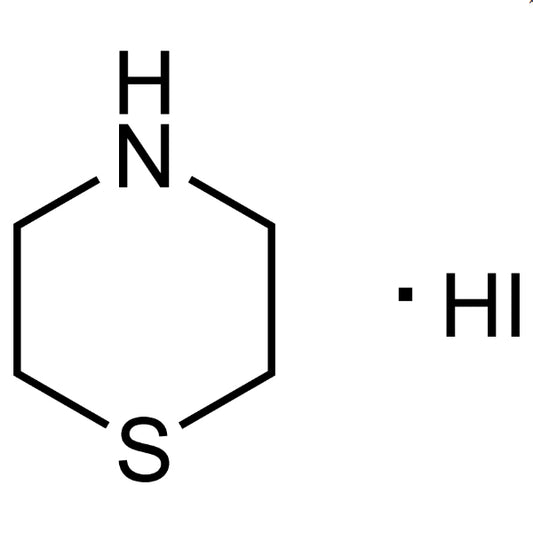
- TCI T4375 118725-79-4 Thiomorpholine Hydroiodide
- TCI T2648 429-42-5 Tetrabutylammonium Tetrafluoroborate
- Perovskite Solar Cell Fabrication: Piperazine Dihydriodide is used to improve the stability and efficiency of perovskite solar cells by enhancing the interaction between different material components.
- Material Synthesis and Characterization: It serves as a key reagent in the synthesis of perovskite materials, enabling precise control over the chemical composition and structure of the final product.
- Energy Conversion Research: The compound is integral to studies focused on optimizing energy conversion efficiency, making it a valuable tool in renewable energy research.
- Thin Film Deposition Processes: Its solubility in organic solvents makes it suitable for use in thin film deposition techniques, allowing for uniform and high-quality material layers.
- Stability Testing of Photovoltaic Materials: It is used to assess the long-term stability of perovskite-based materials under various environmental conditions.
| Brand | TCI |
|---|---|
| CAS number | 58464-47-4 |
| Molecular formula | — |
| Purity | — |
| Category | Materials Science > Electronic Materials > Perovskite Solar Cell (PSC) Materials |
| Pack sizes | Available in various quantities as per supplier specifications |
| Physical form | Solid (as per standard product description) |
| Storage | Store in a cool, dry place away from moisture and direct sunlight |
Piperazine Dihydriodide should be stored in a cool, dry environment to maintain its chemical stability and prevent degradation. It is recommended to use airtight containers to protect it from moisture and contaminants. Since it is a solid, it should be kept in a secure location away from heat sources and direct sunlight. In laboratory settings, proper ventilation is essential when handling the compound to ensure safe working conditions. Always wear appropriate personal protective equipment, such as gloves and safety goggles, to minimize exposure. The compound is generally non-hazardous under normal storage conditions, but adherence to standard laboratory safety protocols is advised to ensure safe handling and usage.
—
Produk Terkait
-
1,4-Diazabicyclo[2.2.2]octaneDihydriodide TCI D5252
Regular price From Rp 1.273.650,00Regular price -
PiperazineDihydrochloride TCI P2491
Regular price From Rp 848.400,00Regular price -
PiperazineDihydrobromide TCI P2490
Regular price From Rp 980.700,00Regular price -
AcetamidineHydrochloride TCI A0008
Regular price From Rp 557.550,00Regular price -
ThiomorpholineHydroiodide TCI T4375
Regular price From Rp 1.936.200,00Regular price -
TetrabutylammoniumTetrafluoroborate TCI T2648
Regular price Rp 2.757.300,00Regular price -
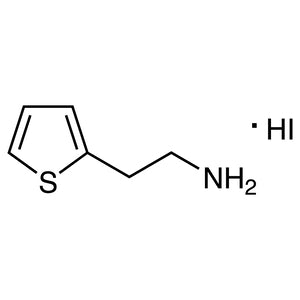
2-(Thiophen-2-yl)ethan-1-amineHydroiodide TCI A3720
Regular price From Rp 1.378.650,00Regular price -
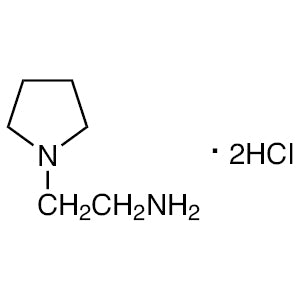
2-(1-Pyrrolidinyl)ethanamineDihydrochloride TCI A3393
Regular price Rp 1.881.600,00Regular price
![1,4-Diazabicyclo[2.2.2]octane Dihydriodide (CAS 33322-06-4) - TCI D5252 - AMI Scientific](http://amiscientific.com/cdn/shop/files/TCI2510D5252.jpg?v=1769142095&width=533)